NCERT Solutions for Class 8 Social Science History Chapter 10 The Changing World of Visual Arts

The Changing World of Visual Arts Class 8 Questions and Answers History Chapter 10

History Class 8 Chapter 10 NCERT Textbook Questions and Answers

Question 1.
Imagine you are a painter living in the early—twentieth century India trying to develop a “national” style of painting. What elements discussed in this chapter will form part of that style? Explain your choice.
Answer:
I would prefer the ‘Indian-style of painting. In this style I can put my view and ideals of my own country, its custom, style, etc. In their style I would potray real life style instead of imagination.

Question 2.
Fill in the blanks :
1. The art form which observed carefully and tried to capture exactly what the eye saw is called ………….. .
2. The style of painting which showed Indian landscape as a quaint, unexplored land is called ……………… .
3. Paintings which showed the social lives of Europeans in India are called ………………. .
4. Paintings which depicted scenes from British imperial history and their victories are called ……………….. .
Answer:
1. Oil Painting
2. Picturesque land scape painting
3. Portrait painting
4. history painting

Question 3.
Point out which of the following were brought in with British art :
(a) oil painting
(b) miniatures
(c) life-size portrait painting
(d) use of perspective
(e) mural art
Answer:
(a) Oil painting
(c) life-size portrait painting
(d) use of perspective

Question 4.
Describe in your own words one painting from this chapter which suggests that the British were more powerful than Indians. How does the artist depict this?
Answer:
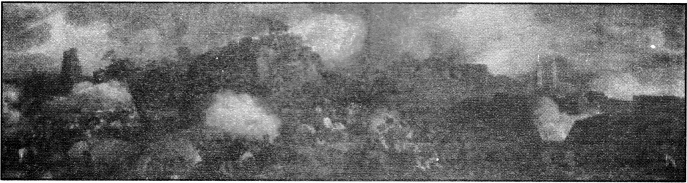
The celebration of British military triumph can be seen in the many painting of the battle of Seringapatam (now Srirangapatnam). Tipu Sultan of Mysore, was one of the most powerful enemies of the British. He was finally defeated in 1799 at the famous battle of Sringapatam. The British troops are shown storming the fort from all sides, cutting Tipu’s soldiers to pieces climbing the walls, raising the British flag aloft on the ramparts of Tipu’s Fort. It is a painting full of action and energy. The painting dramatises the event and glorifies the British triumph. This is a history painting.

Question 5.
Why did the scroll painters and potters come to Kalighat? Why did they began to paint new themes?
Answer:
The scroll painter and potters came to Kalighat and settled there because this was a time when the city was expanding as a commercial and administrative centre. Colonial offices were coming up. New buildings and roads ware being constructed, markets were being set up. The city appeared as a place of opportunity where people could come to make a new living. They began to paint new themes because values, tastes, social norms and customs were undergoing fast changes after the 1840s. They responded quickly to the world around and produced paintings on social and political themes.

Question 6.
Why can we think of Raja Ravi Varma’s paintings as national?
Answer:
We can think of Raja Ravi Varma’s paintings as national because he has depicted Indian mythology. Scenes from Ramayana and Mahabharata and other mythological stories are prominent in his paintings.

Question 7.
In what way did the British history paintings in India reflect the attitudes of imperial conquerors?
Answer:
British victories in India served as rich material for history painters in Britain. These painters drew on first hand sketches and accounts of travellers to depict for the British public a favourable image of British actions in India. These paintings once again celebrated the British. Their power; their victories; their supremacy. One of the first of these history painting was produced by Francis Hayman in 1762 and placed on public display in the Vauxhall Gardens in London.

The British had just defeated Sirajuddaulah in the famous Battle of Plassey and installed Mir. Jafar as the Nawab of Murshidabad. It was a victory won through conspiracy, and the traitor Mir Jafar was awarded the title of Nawab. In the painting by Hayman this act of aggression and conquest is not depicted. It shows Lord Clive being welcomed by Mir Jafar and his troops after the Battle of Plassey. Imperial history paintings sought to create a public memory of imperial triumphs. Victories had to be remembered, implanted in the memory of people, both in India and Britain. Only then could the British appear invincible and all powerful.

Question 8.
Why do you think some artists wanted to develop a national style of art?
Answer:
Some artists wanted to develop a national style of art because in their views the art of Ravi Varma was imitative and westernised. It was unsuitable for depicting the nation’s ancient myths and legends. Therefore, they felt the need far a genuine Indian style of painting to draw inspiration from non-western art tradition. In this way they made an attempt to capture the real spiritual essence of the East.

Question 9.
Why did some artists produce cheap popular prints? What influence would such prints have had on the minds of people who looked at them?
Answer:
Some artists produced cheap popular prints so that these could reach to the poors. Such prints left deep impact on the minds of people. These prints produced life like images of eminent Bengali personality as well as mythological pictures. But these mythological pictures were realistic. The figures were located in picturesque landscape settings, with mountain, lakes, rivers and forests. The characteristic elements of these pictures came into being in the late nineteenth century.

These types of popular pictures were printed and circulated in other parts of India too. With the spread of nationalism, popular prints of the early twentieth century began carrying nationalist messages. In many of them you see Bharat Mata appearing as a goddess carrying the national flag, or nationalist heroes sacrificing their head to the mata, and gods and goddesses slaughtering the British.

Question 10.
Look at any tradition of art in your locality. Find out how it has changed in the last 50 years. You may check who supports the artists, and who looks at their art. Remember to examine the changes in styles and themes.
Answer:
In our locality, even today some Bengali plays are played during the Durga Puja. However the dresses of the artists and the weapons used have changed. The artists in there plays are modernised and show modem styles. The back ground music and songs are of the latest trends.

Activities

Activity 1
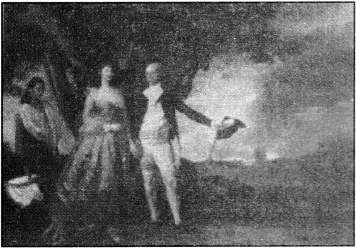
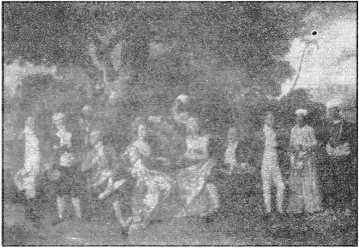
Look at Fig. 1 and 2.
(i) In what ways are the Indians depicted as inferior?
(ii) Notice the clothes the British are wearing.
NCERT Solutions for Class 8 Social Science History Chapter 10 The Changing World of Visual Arts 1
Fig. 1. Portrait of Governor-General Hastings with his wife in their Belvedere estate, painted by Johann Zoffany (oil, 1784) Notice the grand colonial mansion in the background serving tea.
NCERT Solutions for Class 8 Social Science History Chapter 10 The Changing World of Visual Arts 2
Fig. 2. The Aurial and Dashwood Families of Calcutta, painted by Johann Zoffany (oil, 1784) Thomas Dashwood was married to Charlotte Lousia Autrial. Here you see them entertaining their friends & relatives. Notice the various servants clothes the British are wearing.
Answer:
(i) In the first figure 1. an Indian girl is shown shabbily dressed and serving the English lady.
(ii) In the second figure 2. a maid servant (Indian) is pouring a drink for the English ladies. Two men servants are standing as guards for the English men. In both the pictures the Indian are shown as submissive and inferior. The British are shown as superior and imperial. They stand or sit arrogantly and live a life of luxury.

Indian are never at the centre, poorly dressed and occupying a shadowy back ground.

Activity 2
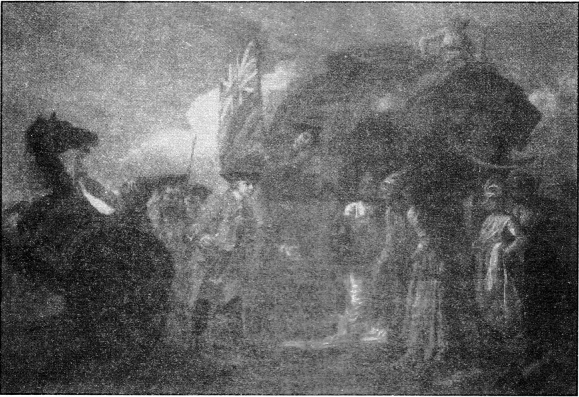
Look carefully at Figs. 3 and 4.
(i) How is Clive portrayed in Fig. 3
(ii) What are the ways in which the artist has depicted the victory of the British?
(iii) Notice the position of the British flag (the Union Jack) in figs. 3 and 4. Why is it placed there?
NCERT Solutions for Class 8 Social Science History Chapter 10 The Changing World of Visual Arts 3
Fig. 3. Lord Clive meeting Mir Jafar, Nawab of Murshidabad, after the Battle of Plassey, painted by Francis Hayman (oil, 1762)
NCERT Solutions for Class 8 Social Science History Chapter 10 The Changing World of Visual Arts 4
Fig. 4. The storming of Seringapatnam, painted by Rober Kerr Porter (panorama in oil, 1800)
Answer:
(i) In Fig. 3. Clive is portrayed as a king superior, arrogant and strong.
(ii) The artist has depicted the victory of the Briti sh as a strong power has taken over a weak power. Fig. 4 shows the power of the British, how they stormed into the fort without any hindrance.
(iii) The flags have been placed to show the victory of the British over the Indian rulers.

Activity 3
Look at Fig. 5
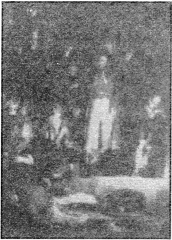
David Wilkie was commissioned by David Baird’s wife to paint this picture. Why do you think she wanted such a picture painted?
NCERT Solutions for Class 8 Social Science History Chapter 10 The Changing World of Visual Arts 5
Fig. 5.
Answer:
She wanted such a picture painted to show how powerful her husband was. She wanted the Indians to fear him and realise his strength and power.

Activity 4
Compare Figs. 4 and 6
1. What similarities and difference do you see in the themes of the paintings?
2. If you were a nawab fighting the British, which battle scenes would you ask the artists to paint the ones you lost or the ones you won?
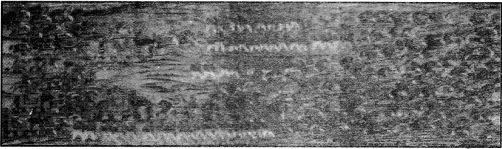
3. Do you think that the mural in Fig. 6 is realistic?
NCERT Solutions for Class 8 Social Science History Chapter 10 The Changing World of Visual Arts 6
Fig. 6. Detail from a mural painting commissioned by Tipu Sultan at the Dariya Daulat palace at Seringapatam, commemorating Haidar All’s victory over the English army at the battle of Polilur of 1780
Answer:

  1. Both pictures show us about the battle between Tipu Sultan and the English. In Fig. 5 we see the victory of the English while in Fig. 6 we see the victory of Haidar Ali.
  2. I would ask the artists to paint the ones I have won.
  3. To some extant it does not seen realistic. The contrast of the colours is not proper and the picture is also not clear.

Activity 5
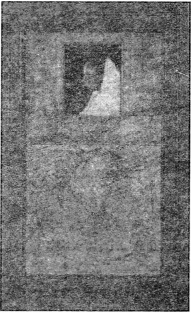
Look at Fig. 7 along with the images of Indian miniature you saw in the History book of class VII. Can you identify some of the elements of similarly between them? Look for difference too.
NCERT Solutions for Class 8 Social Science History Chapter 10 The Changing World of Visual Arts 7
Fig. 7. My Mother, painted by Abanindranath Tagore (watercolour)
Answer:
Simple theme is used and the picture is realistic. Some pictures have simple back ground but some pictures have misty background. Some pictures have hardlines but in some pictures there is absence of hardlines. Some pictures are painted with pencil colours while in some pictures water colour has been used.

NCERT Solutions for Class 8 Social Science

NCERT Solutions for Class 10 Social Science Geography Chapter 6 Manufacturing Industries

NCERT Solutions for Class 10 Social Science Geography Chapter 6 Manufacturing Industries

Textbook Exercises

1. Multiple choice questions:

1. Which one of the following industries uses limestone as a raw material:
(a) Aluminium
(b) Cement
(c) Sugar
(d) Jute
Answer:
(b) Cement

2. Which one of the following agencies markets steel for the public sector plants?
(a) HAL
(b) SAIL
(c) TATASTEEL
(d) MNCC
Answer:
(b) SAIL

3. Which of the following industry uses bauxite as a raw material?
(a) Aluminium
(b) Cement
(c) Jute
(d) Steel.
Answer:
(a) Aluminium

4. Which one of the following industries manufactures telephones, computer, etc.
(a) Steel
(b) Aluminium
(c) Electronic
(d) Information Technology.
Answer:
(a) Steel

2. Answer the following briefly in not more than 30 words:

i) What is manufacturing?
ii) Name any three physical factors for the location of the industry.
iii) Name any three human factors for the location of an industry.
iv)What are the basic industries? Give an example.
v) Name the important raw-materials used in manufacturing of cement.
Answer:
(i) Production of goods in large quantities after processing from raw-materials to more valuable products is called manufacturing.

(ii) The three physical factors that affect location of industries are the following:
(a) Availability of raw-materials, (ii) Availability of labour, (iii) Climate.

(iii) The three human inputs that control location of industries are the following:
(i) Available labour force.
(ii) Capital and transport facilities.
(iii) Government policies.

(iv) Basic industries are those industries which supply their products (raw-materials) to manufacture other goods: Example: Iron-steel Industry

(v) The important raw-materials used in manufacturing of cement are limestone, silica, aluminia and gypsum.

3. Write the answers of the following questions in 120 words.

(i) How are integrated steel plants different from mini steel plants? What problems does the industry face? What recent developments have led to a rise in the production capacity?
Answer:
(i) An integrated steel plant is large. It handles everything in one complex from putting together raw material to steel making rolling and shaping. The mini steel plants are smaller; they have elastic furnaces; they use steel scrap and sponge iron. They have re-rollers that use steel ingots as well. They produce mild and alloy steel of given specification.

The problem faced by this industry include:
(a) high costs of cooking coal, (b) limited availability of coking coal, (c) low productivity of labour, (d) irregular supply of energy, (e) poor infrastructure.
Liberalisation and foreign direct investment (FDI) have led to the rise in the production capacity.

(ii) How do industries pollute the environment?
Answer:
Industries mainly create four types of pollution which in turn degrade the environment. These are (a) Air, (b) Water, (c) Land, (d) Noise.

Air pollution:
1. The smoke emitted by the industries pollute air and water very badly.
2. This pollution is caused by the presence of a higher proportion of undesirable gases, such as carbon monoxide and sulphur dioxide.
3. Dust, fume, mist, spray and smoke released from the industries contain both types of particles: (a) solid, (b) Liquid.
4. This pollution is very harmful for human health, as well as for animals, plants, materials and for the atmosphere.

Water pollution:
1. Sources for this pollution are numerous. However its main source is the organic and inorganic discharge from the industries.
2. The principal industries creating water pollution are paper, pulp, textiles, chemicals, petroleum, refining tannery and electroplating.

Land pollution:
Land and soils is polluted by the industrial wastes containing toxic metals.

Noise pollution:
Land and soil is polluted by the industrial wastes containing toxic metals.

Noise pollution:
1. It is very harmful, it causes impairment of hearing as well as many other physiological and psychological problems.
2. Industrial noise, particularly from mechanical saws and penumatic drills cause unbearable sound.

Despite of all its harmful effects, industrial work can’t be stopped. On the other hand much of the pollution can be prevented be carefully planning and siting of industries, better design equipment and better operation of the equipment.

(iii) Discuss the steps to be taken to minimise environmental degradation by industry.
Answer:
The following steps can be taken to minimise environmental degradation by the industry:
(i) minimising use water for processing by reusing and recycling it in two or more successive stages.
(ii) harvesting of rainwater to meet water requirements.
(iii) treating hot water and effluents before releasing them in rivers and ponds. Treatment of industrial effluents can be done in three phases.
(a) Primary treatment by mechanical means. This involves screening, grinding, flocculation and sedimentation.
(b) Secondary treatment by biological process.
(c) Territary treatment by biological, chemical and physical processes.

Activity

Give one word for each of the following with regard to industry. The number of letters in each word are hinted in brackets.

1. Using to drive machinery 5. Pumps
2. People who work in a factory 6. Worker
3. Where the product is sold 6. Market
4. A person who sells goods 8. Retailer
5. Thing produced 7. Product
6. Middlemen 10. Wholesaler
7. To make to produce 11. Manufacture
8. Land, water and air degarded 9. Pollution

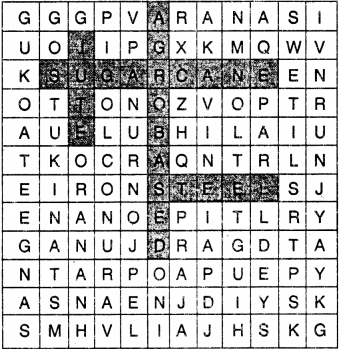
Solve the puzzle by following you search horizontally and diagonally to find the hidden answers.
NCERT Solutions for Class 10 Social Science Geography Chapter 6 Manufacturing Industries

1. Textiles, Sugar, Vegetable oil and plantation industries deriving raw-materials from agriculture are called as…Agro based,
2. The basic raw-materials for sugar industry. Sugarcane.
3. This fibre is also known as ‘Golden Fibre’. Jute
4. Iron-ore, Coking coal, and Limestone are the chief raw materials of this industry: Steel.
5. A public sector steel plant located in Chhattisgarh. Bhilai
6. Railway diesel engines are manufactured in Uttai Piadesh at this piace. Varanasi
Hints: Some of them are being market. Others, students may do with the help of the teachers.

Answers the following with regard to cotton-textile industry:
(i) Which three states have the largest number of mills?
(ii) What could be the reason for locating the industry in these states?
(iii) Name three large centres for each of these three states.
Answer:
(i) Maharashtra, Gujarat, Uttar Pradesh.
(ii) Availability of raw cotton and markets.
(iii) Maharashtra: Mumbai, Pune, Wardha.
Gujarat: Ahmedabad, Vadodara, Surat.
Uttar Pradesh: Moradabad, Kanpur, Agra.

These Solutions are part of NCERT Solutions for Class 10 Social Science. Here we have given NCERT Solutions for Class 10 Social Science Geography Chapter 6 Manufacturing Industries.

NCERT Solutions for Class 9 Hindi Kshitij Chapter 2 ल्हासा की ओर

NCERT Solutions for Class 9 Hindi Kshitij Chapter 2 ल्हासा की ओर

प्रश्न-अभ्यास

(पाठ्यपुस्तक से)

प्रश्न 1.
थोड्ला के पहले के आखिरी गांव पहुंचने पर भिखमंगें के वेश में होने के बावजूद लेखक को ठहरने के लिए उचित स्थान मिला, जबकि दूसरी यात्रा के समय भद्र-वेश भी उन्हें उचित स्थान नहीं दिला सका। क्यों?
उत्तर:
लेखक जब भिगमगे के वेश में होने पर भी थोङ्ला के पहले के आखिरी गांव पहुंचा तो उसे वह स्थान उचित लगा, क्योंकि वहां किसानों का बसेरा था। वहाँ – जाति पाँति, छुआ-छूत का सवाल नहीं था। औरतें पर्दा नहीं करती थीं। अपरिचित लोगों से भी लोग घबराते नहीं। वहाँ की स्त्रियाँ आपको चाय आदि बनाकर पिला देती हैं। किसी के भी चाय के सामान के साथ वे बेईमानी नहीं करते चाहे उनके चूल्हे पर अपरिचित व्यक्ति स्वयं चाय बना ले। भद्र-वेश में जब लेखक लौटा तो उसे रहने की जगह नहीं मिली। लोगों की मनोवृत्ति छङ् पीकर मदमस्त. रहने की थी। अतः उनकी उपेक्षा और व्यवहार देख लेखक को लगा कि भद्र-वेश से तो भिखमंगे वेश में रहना ज्यादा उचित था।

प्रश्न 2.
उस समय के तिब्बत में हथियार का कानून न रहने के कारण यात्रियों को किस प्रकार का भय बना रहता था?
उत्तर:
लेखक ने जिस समय की बात की है, उस समय के तिब्बत में हथियार का कानून न रहने के कारण लोग लाठी की तरह पिस्तौल, बंदूक लिए फिरते थे। डाकुओं का उन्हें डर न था, क्योंकि यदि डाकू उन्हें मारेगा तो वह भी स्वयं बचकर नहीं जाएगा।

प्रश्न 3.
लेखक लङ्कोर के मार्ग में अपने साथियों से किस कारण पिछड़ गया?
उत्तर:
लेखक सुमति और अपने साथियों के साथ लङ्कोर की ओर चला। रास्ते में ऊँची चढ़ाई का रास्ता था। लेखक का घोड़ा कुछ धीरे चलने लगा। लेखक को लगा कि थकावट के कारण ऐसा हो रहा, लेकिन वह धीरे-धीरे अन्य साथियों से पिछड़ गया। जब थोड़ा आगे चलने पर उसे दो रास्ते दिखे तो बाएँ रास्ते को उसने लङ्कोर का रास्ता समझ लिया, जबकि दाहिना रास्ता लङ्कोर का था।

प्रश्न 4.
लेखक ने शेकर-विहार में सुमति को उनके यजमानों के पास जाने से रोका परंतु दूसरी बार रोकने का प्रयास क्यों नहीं किया?
उत्तर:
सुमित के स्थान-स्थान पर यजमान थे। वे हर गांव में जाकर उनका आतिथ्य लेने के लिए उत्सुक रहते थे। शेकर-विहार में जब सुमति अपने यजमानों के पास जाने लगा, तब लेखक ने यह कर रोक कि जिस गाँव के आगे रूकेंगी वहीं गंडे बाँट देना। मगर आस-पास के गांवों में मत जाओ, इसके लिए मैं तुम्हें ल्हासा पहुँच कर रुपये दे दूंगा। लेकिन जब लेखक ने देखा कि वे किसी आदमी से मिलने के बहाने यजमान से मिलने जा रहा है तो उन्होंने समझ लिया कि इन्हें रोकना व्यर्थ है। साथ ही उन्हें पुस्तकों का भंडार मिल गया था, अत: उन्होंने सुमित की दूसरी बार रोकने का प्रयास नहीं किया था।

प्रश्न 5.
अपनी यात्रा के दौरान लेखक को किन कठिनाइयों का सामना करना पड़ा?
उत्तर:
अपनी यात्रा के दौरान लेखक को तंग और कठिन रास्तों से गुजरना पड़ा। उन्हें रहने के लिए जगह नहीं मिली। थोङ्ला पार करते समय वे डाकुओं के भय से भी उन्हें गुजरना पड़ा। बचने के लिए भिखमंगे का रूप भी अपनाना पड़ा। उन्हें रास्ते में साथियों से पिछड़ने के कारण भी बहुत समय तक धक्के खाने पड़े।

प्रश्न 6.
प्रस्तुत यात्रा-वृत्तांत के आधार पर बताइए कि उस समय का तिब्बती समाज कैसा था?
उत्तर:
प्रस्तुत यात्रा-वृतांत के आधार पर कहा जा सकता है कि तत्कालीन तिब्बती समाज आर्थिक दृष्टि से अत्यंत कमजोर था। लोग भिखमंगे का जीवन जीते थे। वे छङ्का नशा कर, अपनी पीड़ा भुलाते थे, लेकिन छुआ-छूत. जाति-पाति का भेद-भाव न था।

प्रश्न 7.
‘मैं अब पुस्तकों के भीतर था।’ नीचे दिए गए विकल्पों में से कौन-सा इस वाक्य का अर्थ बतलाता है
(क) लेखक पुस्तकें पढ़ने में रम गया।
(ख) लेखक पुस्तकों की शैल्फ के भीतर चला गया।
(ग) लेखक के चारों ओर पुस्तकें ही थी।
(घ) पुस्तक में लेखक का परिचय और चित्र छपा था।
उत्तर:
(क) लेखक पुस्तकें पढ़ने में रम गया।

रचना और अभिव्यक्ति

प्रश्न 8.
सुमति के यजमान और अन्य परिचित लोग लगभग हर गांव में मिले। इस आधार पर सुमति के व्यक्तित्व की किन विशेषताओं का चित्रण कर सकते हैं?
उत्तर:
सुमति के यजमान और अन्य परिचित लोग लगभग हर गाँव में मिले। इस आधार पर कहा जा सकता है कि सुमति तिब्बत के एक-एक गाँव का जानकार था। वह लालची था, जो आतिथ्य के लिए बार बार रास्ते में हर गांव के यजमान के पास जाना चाहता था। वह तिब्बती-सभ्यता और संस्कृति का ज्ञाता तथा लेखक का पथ प्रदर्शक था।

प्रश्न 9.
“हालाकि उस वक्त मेरा भेष ऐसा नहीं था कि उन्हें कुछ भी ख्याल करना चाहिए था।”-उक्त कथन के अनुसार हमारे आचार-व्यवहार के तरीके वेष-भूषा के आधार पर तय होते हैं। आपकी समझ में यह उचित है अथवा अनुचित विचार व्यक्त करें।
उत्तर:
प्रत्येक व्यक्ति का आचार-व्यवहार ही उसके व्यक्तित्व को बनाता या बिगाड़ता है। लेकिन परिस्थिति, समय और स्थान के आधार पर कभी-कभी आचार-व्यवहार से ज्यादा वेष-भूषा प्रधान हो जाती है जैसे तिब्बत के थोङ्ला में जब लेखक भिखमंगों की वेष-भूषा में गये तो उन्हें खाने-पीने, रहने को मिल गया, किंतु जब वे भद्र-वेश ‘ में आए तो उन्हें लोगों की उपेक्षा मिली। क्योंकि वहाँ के लोग गरीब, भिखारी और नशा करने वाले लोगों की उपेक्षा मिली। क्योंकि वहाँ के लोग गरीब, भिखारी और नशा करने वाले निम्न वृति के थे। उन्हें भिखमंगों के वेश वाले लोग ही अपने दिखते थे। अतः चाहे लेखक को लगा कि उस वक्त मेरा वेष ऐसा नहीं था। अर्थात् भद्र था फिर भी उन्होंने मुझे मान-समन क्यों नहीं दिया। लेकिन यर्थात् यही है कि कभी-कभी वेश-भूषा आचार व्यवहार से भी प्रधान हो जाती हैं।

प्रश्न 10.
यात्रा-वृतांत के आधार पर तिब्बत की भौगोलिक दशा का शब्द-चित्र प्रस्तुत करें। वहां की दश आपके राज्य/शहर से किस प्रकार भिन्न है।? ।
उत्तर:
यात्रा-वृतांत साहित्य की एक गद्य-विधा है, जिसमें लेखक अपनी यात्रा विशेष के क्षणों को कल्पना के सूत्र में पिरोकर कथात्मक रूप में प्रस्तुत करता है। राहुल स्वयं यायावर रहे है। उन्होंने तिब्बत की यात्रा का वर्णन करते हुए उसकी भौगालिक दशा का सौंदर्यमयी चित्रण किया है-तिब्बत समुद्र-तल से 17-18 हजार फीट ऊँचे बसा हुआ है। जहाँ चारों ओर हिमालय को हजारों श्वेत शिखर देखते हैं। मीटे की ओर दीखने वाले पहाड़ बिल्कुल नंगे थे, न वहाँ बर्फ की सफेदी थी, न किसी तरह की हरियाली। उत्तर की तरफ बहुत कम बर्फ वाली चोटियाँ दिखाई पड़ती थी। सर्वत्र रंग-बिरंगे कपड़ों की झडियाँ लहराती हैं। पहाड़ों से घिरा तिब्बत एक छोटे से टापू के समान दीखता है। इसके विपरीत हमारे शहर में पहाड़ का नामोनिशान नहीं है। प्रकृति के नाम पर कुछ पेड़ ऊँघते दिख जाते हैं। चारों तरफ दौड़ती भागती मशीनें। नीला-सा आसमान जो पल-भर में देखते-देखते धूमिल हो उठता है।

प्रश्न 11.
आने भी किसी स्थान की यात्रा अवश्य की होगी? यात्रा के दौरान हुए अनुभवों को लिख कर प्रस्तुत करें।
उत्तर:
विद्यार्थी स्वयं लिखें।

प्रश्न 12.
यात्रा-वृतांत गद्य साहित्य की एक विद्या होती है। आपकी इस पाठ्य पुस्तक में कौन सी विधाएं है? प्रस्तुत विधा उनसे किन मायनों में अलग है?
उत्तर:
यात्रा वृतांत के अतिरिक्त गद्य की अनेक विधाएँ होती हैं। इस पाठय-पुस्तक में निम्नलिखित गद्य विद्याएँ है-
प्रेमचंद कृत ‘दो बैलों की कथा’-कहानी
राहुल सांकृत्यायन कृत ‘ल्हासा की ओर’-यात्रा वृतांता

श्यामचरण दुबे कृत ‘उपभोक्ता की संस्कृति-निबंध।
जाकिर हुसैन कृत ‘सांवले सपनों की याव-संस्मरण। चपला देवी कृत मेरे बचपन के दिन-संस्मरण।
हजारी प्रसाद द्विवेदी कृत ‘एक तोता और एक मैना’-निबंध।

प्रस्तुत विद्या ‘यात्रा-संस्मरण’ है, जो कहानी, निबंध, रिपोर्ताज, व्यंग्य, संस्मरण आदि विधवाओं से अलग है, श्रेष्ठ है, क्योंकि यात्रा-स्समरण में लेखक अपने जीवन की रोचक-यात्रा के अविस्मरणीय पलों को स्मृति के बल पर कथा-रूप में प्रस्तुत करता है, जिसमें वह देश, नगर विशेष __के प्राकृतिक सौंदर्य के साथ-साथ वहां की सभ्यता, संस्कृति और समाज का भी बारीकी से वर्णन करता है।

भाषा-अध्ययन

प्रश्न 13.
किसी भी बात को अनेक प्रकार से कहा जा सकता है।, जैसे- –
“सुबह होने से पहले हम गांव में थे।’
‘पौ फटने वाली थी कि हम गांव में थे।’
‘तारों की छांव रहते-रहते हम गांव पहुंच गए।’
नीचे दिए गए वाक्य को अलग-अलग तरीके से लिखिए-
“जान नहीं पड़ता था, कि घोड़ा आगे जा रहा है या पीछे।”
उत्तर:

  1. समझ नहीं आ रहा था कि घोड़ा आगे जा रहा है या पीछे।
  2. यह नहीं जाना जा रहा था कि घोड़ा आगे जा रहा है या पीछे।

प्रश्न 14.
ऐसे शब्द जो किसी आंचल यानी क्षेत्र विशेष में प्रयुक्त होते है। उन्हें आंचलिक शब्द कहा जाता है। प्रस्तुत पाठ में से आंचलिक शब्द ढूँढकर लिखिए।
उत्तर:
डाँडा, थाङ्ला, मीटे, कंडे, सत्तू, थुक्पा, गंडा, भटिया, नमूसे, कनार, तिडी आदि आंचलिक शब्द प्रस्तुत पाठ में देखे जा सकते हैं।

प्रश्न 15.
पाठ में कागज, अक्षर मैदान के आगे क्रमश: मोटे, अच्छे और विशाल शब्दों का प्रयोग हुआ है। इन शब्दों से उनकी विशेषता उभर कर आती है। पाठ में से कुछ ऐसे ही और शब्द छाँटिए, जो . किसी भी विशेषता बता रहे हों।
उत्तर:
मुख्य रास्ता, सैनिक रास्ता, चीनी पलटन, फौजी मकान, सारा मक्खन, भद्रयात्री, गरीब लोग, अच्छी जगह विकट डाँडा, ऊँची चढ़ाई, दो घोड़े रंग-बिरंगे कपड़े, मरमागरम थुक्पा, चिरी बत्तिया, छोटे बड़े जागीरदारों, मोटे कपड़े।

पाठेतर सक्रियता

प्रश्न 16.
यह यात्रा राहुल जी ने 1930 में की थी आज के समय यदि तिब्बत की यात्रा की जाए तो राहुल जी की यात्रा से कैसे भिन्न होगी?
उत्तर:
राहुल की यात्रा 1930 की यात्रा है। आज 76 साल बाद अब तिब्बत की यात्रा की जाए तो बिल्कुल भिन्न होगी, क्योंकि आज विज्ञान के विकास के परिणामस्वरूप प्राकृतिक प्रदेशों में काफी अंतर आ गया है। मार्ग की दुर्गमता और अभाव खत्म हो गए हैं लोग सभ्य, शिक्षित हो गए हैं सभ्यता का विकास वहां देखने को मिलेगा।

प्रश्न 17.
क्या आपके किसी परिचित को घुमक्कड़ी/यायावरी का शौक है? उसके इस शौक का । उसकी पढाई/काम आदि पर क्या प्रभाव पड़ा होगा, लिखें।
उत्तर:
अपने जीवन में प्रत्येक व्यक्ति छोटी-बड़ी – यात्राएँ करता ही है लेकिन प्रत्येक वक्ति का अपना व्यक्तित्व होता है, उसका अपना काम होता है। अतः सभी पर यात्रा का प्रभाव तो पड़ेगा किंतु अलग-अलग जैसे कवि यात्रा विशेष स्थान की प्रकृति को भी अपनी सामग्री बनाएगा। व्यवसायिक व्यक्ति अपने काम के तनाव को यात्रा के आनंद में कर सकता है और काम के लिए शाँति, शक्ति लाता है। राहुल जी की तरह घुमक्कड़ व्यक्ति तो जीवन ही एक यात्रा है। प्रत्येक यात्रा से वह अपने जीवन में एक नया रंग भरता है। अपने एकाकी वयक्तित्व को विराट् व्यक्तित्व से जोड़ता है। अपनी बहुआयामी संस्कृति और सभ्यता को आत्मसात् करने का प्रयास करता है। यदि वह लेखक भी है तो वह अपना सारा अनुभव हू-ब-हू सभी के समक्ष प्रस्तुत करना चाहेगा।

प्रश्न 18.
अपठित गद्यांश को पढ़कर दिए गए प्रश्नों के उत्तर दीजिए-

आम दिनों में समुद्र किनारे के इलाके बेहद खूबसूरत लगते हैं। समुद्र लाखों लोगों को भोजन देता है और लाखों उससे जुड़े दूसरे कारोबारों में लगे हैं। 14 दिसंबर में सुनामी या समुद्री भूकंप से उठने वाली तफानी लहरों के प्रकोप ने एक बार फिर साबित कर दिया है कि कुदरत की यह देन सबसे बड़े विनाश का कारण बन सकती है।

प्रकृति कब अपने ही ताने-बाने को उलट कर रख देगी, कहना मुश्किल है। हम उसके बदलते मिजाज को उसका कोप कह लें या कुछ मगर यह अबूछ पहले अक्सर हमारे विश्वासों के चीथड़े कर देती है और हमें यह अहसास करा जाती है कि हम एक कदम आगे नहीं, चार कदम पीछे हैं एशिया का नक्शा ही बदल डाला है। प्रकृति ने पहले भी अपनी ही दी हुई कई अद्भुत चीजों इंसान से वापस ले ली हैं, जिसकी कसक अभी तक है।

दुःख जीवन को माँजता है, उसे आगे बढ़ने का हुनर सिखाता है। वह हमारे जीवन में ग्रहण लाता है, ताकि हम पूरे प्रकाश की अहमियत जान सकें और रोशनी को बचाए रखने के लिए प्रयास करें। इस प्रयास से सभ्यता और संस्कृति का निर्माण होता है। सुनामी के कारण दक्षिण भारत और विश्व के अन्य देशों में जो पीड़ा हम देख रहे हैं, हमारे जीवन में जोश, उत्साह और शक्ति भर देते है। 13 वर्षीय मेघना और अरुण दो दिन अकेले खारे समुद्र में तैरते हुए जीव-जंतुओं से मुकाबले करते हैं। किनारे आ लगे। इंडानेशिया की रिषा पड़ोसी के दो बच्चों को पीठ पर लादकर पानी के बीच तैर रही थी। एक विशालकाय साँप ने उसे किनारे का रास्ता दिखाया। मछुआरे की बेटी मैगी ने रविवार को समुद्र का भयंकर शोर सुना उसकी शरारत को समझा, तुरंत अपना बेड़ा उठाया और अपने परिजनों को उस पर बिठा आई समुद्र में 41 लोगों को लेकर। महज 18 साल की यह जल-परी चल पड़ी पगला, सागर से दो-दो हाथ करने। वस मीटर से ज्यादा उँची सूनामी लहरों जो कोई बाधा, रूकावट मानने को तैयार नहीं थी, इस लड़की के बुलंद इरादों के सामने बौनी ही साबित हुई।

जिस प्रकृति ने हमारे सामने भारी तबाही मचाई है, उसी ने हमें ऐसी ताकत और सूझ दे रखी है कि हम फिर से खड़े होते हैं। और चुनौतियों से लड़ने का एक रास्ता ढूंढ निकालते हैं। इस त्रासदी से पीड़ित लोगों की सहायता के लिए जिस तरह पूरी दुनिया एकजुट हुई है, वह इस का सबूत है कि मानवता हार नहीं मानती है।

1. कौन-सी आपदा को सुनामी कहा जाता है?
2. दुःख जीवन को माँजता है, उसे आगे बढ़ने का हुनर सिखाता है- आशय स्पष्ट कीजिए।
3. मैगी, मेघना और अरुण ने सुनामी जैसी आपदा का सामना किस प्रकार किया था?
4. प्रस्तुत गद्यांश में ‘दृढ़-निश्चय’ और महत्व के लिए किन शब्दों का प्रयोग हुआ है?
5. इस गद्यांश के लिए एक शीर्षक ‘नाराज समुद्र’ हो सकता है। आप कोई अन्य शीर्षक दीजिए।
उत्तर:
1. समुद्री भूकंप, को समुद्र में उठने वाली लहरों को ‘सुनामी’ की संज्ञा दी गई है।

2. ‘दुःख जीवन को माँजता है, उसे आगे बढ़ने का हुनर सिखाता है।’-कथन के माध्यम से लेखक समझाना चाहता है कि व्यक्ति सुखों के बहाव में स्वयं को, अपने कर्तव्यों को, सही गलत के भेद को भूल चुका होता है। ऐसे में दुःख व्यक्ति के जीवन को मांजता है अर्थात् उस पर से स्वार्थ, लालसा की धूल हटाता है। अतः सुखांध व्यक्ति को भविष्य के मार्ग पर आगे बढ़ने के लिए कम का सद्मार्ग दिखाता है।

3. ‘सुनामी’ जैसे प्राकृतिक प्रकोप का सामना कुछ बच्चों ने बड़े धैर्य के साथ किया है। 13 वर्षीय मेघना और अरुण दो दिन तक अकेले खारे समुद्र में तैरते हुए जीव-जंतुओं से मुकाबले करते हुए किनारे पर आए। मैगी जो कि मछुआरे की बेटी थी, उसने समुद्र का भयंकर शोर सुना, उसकी शरारत को समझा. उसने तुरंत बेग उठाकर पर लोगों, जिसमें उसके परिवार जन भी थे को बिन कर समुद्र पार उतर गई।

4. दृढ निश्चय – बुलंद इरादे। महत्व – अहमियत।

5. इस गद्यांश के लिए प्राकृतिक आपदा, प्रकृति का सबक, सामुद्रिक प्रकोप आदि शीर्षक भी सार्थक हैं। सर्वत्र, हिंसा, वैमन्वय, मृत्यु का ही साया है। शाश्वत मृत्यु से इतर समाज में साक्षात् यमराज का रूप धारण किए हुए नेता, भ्रष्टाचारी, अपनी भय, मृत्यु का भय विद्यमान कर दिया है।

NCERT Solutions for Class 9 Hindi

All Chapters NCERT Solutions for Class 10 English First Flight Free PDF Download

NCERT Solutions for Class 10 English First Flight Free PDF Download

Students who find solving the exercise questions asked at the end of the NCERT Textbook of class 10 English first flight difficult can access the PDF solutions from this article. Here we have provided the chapterwise NCERT Solutions for Class 10 English First Flight in PDF format. All these solutions are curated as per the latest and updated NCERT Solutions for Class 10 English.

Moreover, the questions & answers are formed by our experts in the best possible way according to the NCERT guidelines. Hence, provided NCERT Book Solutions & MCQ Questions of Class 10 English with Answers PDF makes it easier for the students during exam preparation.

Chapterwise NCERT Solutions for Class 10 English First Flight PDF Download

Practice all the questions covered in the CBSE Class 10 English First Flight NCERT Solutions PDF and learn all the concepts thoroughly. The solutions curated in the NCERT Books are designed by our in-house experienced subject experts.

They have prepared all chapters solutions as per the updated CBSE syllabus and exam pattern also followed all prescribed guidelines. So, students can rely on these chapterwise prose and poem English first flight NCERT Class 10 Textbook Solutions during preparations and score better marks in the final exams.

NCERT Solutions for Class 10 English Language and Literature

CBSE NCERT Solutions of Class 10 English First Flight Prose and Poem

Here are the chapterwise pdf links for both prose and poem books of First Flight. Simply tap on the respective chapter link and download NCERT Solutions with ease in Pdf format.

NCERT Solutions for Class 10 English First Flight (Prose)

NCERT Solutions for Class 10 English First Flight (Poem)

NCERT Solutions for Class 10 English First Flight Free PDF Download

FAQs on CBSE Class 10 English First Flight NCERT Solutions PDF

1. How many Chapters are there in NCERT Class 10 English First Flight Textbook?

There are 22 chapters present in the NCERT Class 10 English First Flight Prose and Poem Books. The Chapters names of CBSE Class 10 English First Flight are mentioned on this page.

2. How does English First Flight Class 10 NCERT Solutions help students in preparing the subject?

Class 10 NCERT English Solutions of first flight textbook explained clearly for students to prepare the subject easily. All the Solutions are presented in lucid language and strictly follow the CBSE Guidelines.

3. Does NCERTBooks.guru provide free NCERT Class 10 English Solutions?

Yes, Ncertbooks.Guru provided study materials are free to download offline or access online. So, you can easily download these NCERT Class 10 English Solutions for First Flight Book in free PDF format.

Final Words

We as a team at NCERTBooks.Guru shares the data related to CBSE Board Exams to help students excel in their subject examinations and higher studies. So, hoping that the provided NCERT Solutions for Class 10 English First Flight Pdf will benefit you to a possible extent.

If you need more suggestions drop a comment in the comment section and stay tuned to our site to avail latest updates on NCERT Solutions for Class 10 English Language and Literature First Flight, NCERT Books, Solutions, Notes, etc.

NCERT Solutions for Class 7 Social Science History Chapter 7 Tribes, Nomads and Settled Communities

Tribes, Nomads and Settled Communities Class 7 Questions and Answers History Chapter 7

Class 7 History Chapter 7 NCERT Textbook Questions and Answers

Question 1.
Match the following :

garh khel
tanda chaurasi
labourer caravan
clan Garha Katanga
Sib Singh Ahom state
Durgawati paike

Answer:

garh chaurasi
tanda caravan
labourer paik
clan khel
Sib Singh Ahom state
Durgawati Garha Katanga

Question 2.
Fill in the blanks-
1. The new castes emerging within vamas were called ……………… .
2. …………. were historical works written by the Ahoms.
3. The ………….. mentions that Garha Katanga had 70,000 villages.
4. As tribal states became bigger and stronger, they gave land grants to ………….. and …………
Answer:
1. Jati s
2. Buranjis
3. Akbar Nama
4. poets, scholars.

Question 3.
State whether True or False:
1. Tribal societies had rich oral traditions.
2. There were no tribal communities in the north-western part of the subcontinent.
3. The chaurasi in Gond states contained several cities.
4. The Bhils lived in the north-eastern part of the subcontinent.
Answer:
1. True
2. False
3. False
4. False

Question 4.
What kinds of exchanges took place between nomadic pastoralists and settled agriculturists?
Answer:
The nomadic pastoralists exchanged wool, ghee etc. with settled agriculturists for grains, cloth, utensils etc.

Question 5.
How was the administration of the Ahom state organised?
Answer:
1. The Ahom state depended upon forced labour. Those forced to work for the state were called paiks. Acensus of the population was taken. Each village had to send a number of paiks by rotation. People from heavily populated areas were shifted to less populated places. In this way the Ahom clans were broken up. By the first half of the seventeenth century the administration became quite centralised.

2. Almost all adult members served in the army during war. At other times, they were engaged in building dams, irrigation systems and other public works.

3. Ahoms society was divided into clans or khels. Akhel often controlled several villages. The peasant was given land by his village community. Even the king could not take it away without the community’s consent.

Question 6.
What changes took place in varna based society?
Answer:
1. As the economy and the needs of society grew, people with new skills were required. Smaller castes, or jatis emerged within vamas. For example, new castes appeared amongst the Brahmanas. On the other hand, many tribes and social groups were taken into caste based society and given the status of jatis. Specialed artisans-smiths, carpenters and masons'” were also recognised as separate jatis by the Brahmans. Jatis, rather then varna, became the basis for organising society.

2. Among the Kshatriyas, new Rajput clans became powerful by the eleventh and twelfth centuries. They belonged to different lineages, such as Hunas, Chandelas, Chalukyas
and others. Many of these clans came to be regarded as Rajputs.

3. With the support of the Brahmanas, many tribes became part of the caste system. But only the leading tribal families could join the ruling class. A large majority joined the lower jatis of caste society. On the other hand, many dominant tribes of Punjab, Sind and the North-West Frontier had adopted Islam quite easily.

Question 7.
How did tribal societies change after being organised into a state ?
Answer:
The emergence of large states changed the nature of tribal societies. For example, the Gond society gradually got divided into unequal social classes. Brahmanas received land grants from the Gond rajas and became more influential. The Gond chiefs now wished to be recognised as Rajputs. Aman Das, the Gond raja of Garha Katanga, assumed the title of Sangram Shah.

Question 8.
Were the Banjaras important for the economy?
Answer:

  1. The Banjaras were the most important trader nomads. Their caravans was called tanda.
  2. Sultan Alauddin Khilji used the Banjaras to transport grain to the city markets.
  3. During Jahangir’s reign, the Banjaras carried grains on bullocks from different areas and sold it in the town.
  4. The Banjaras transported food grains for the Mughal army during military campaigns.

Question 9.
In what ways the history of the Gonds different from that of the Ahoms? Were there any similarities?
Answer:

The Gonds The Ahoms
1. The Gonds lived in a vast forested region called Gandwana“ or country inhabited by Gonds. They practised shifting cultivation. 1. The Ahoms migrated to the Brahmaputra valley from present day Myanmar in the thirteenth century. They created a new state by suppressing the older political system of the bhuiyans (landlords)
2. The large Gond tribe was further divided into many smaller clans. Each clan had its own raja or rai. 2. During the sixteenth century, they annexed the kingdom of the Chhutiyas (1523) and of Prochhajo (1581) and subjudged many other tribes.
3. About the time that the power of the Delhi sultans was declining, a few large Gond kingdoms were beginning to dominate the smaller Gond chiefs. 3. The Ahoms built a large state, and for this they used firearms as early as the 1530s. By the 1660s they could even make high quality gun powder and cannons.
4. The Akbar Nama, a history of Akbar’s reign, mentions the Gond kingdom of Garha Katanga that had 70,000 villages. 4. However, the Ahoms forced many invasions from the south-west. In 1662, the Mughals under Mir Jumla attacked the Ahom kingdoms. Despite their brave defence, the Ahoms were defeated. But direct Mughal control over the region could not last long.

Question 10.
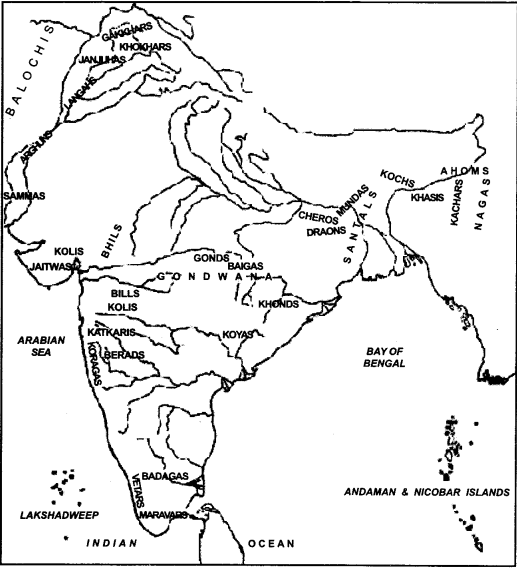
Plot the location of the tribes mentioned in this chapter on a map. For any two, discuss whether their mode of livelihood was suited to the geography and the environment of the area where they lived.
Answer:
NCERT Solutions for Class 7 Social Science History Chapter 7 Tribes, Nomads and Settled Communities 1
Hints : Yes, this mode of livelihood was suited to the geography and the environment of the area where they lived. These areas were mostly forested areas.

Question 11.
Find out about present day government policies towards tribal populations and organise a discussion about these.
Answer:

  1. Government has reserved some seats in State Assemblies and in Lok Sabha.
  2. Some seats have been reserved in state and central government also.
  3. Some economic and education facilities are provided to tribal population.
  4. Economic, agricultural and industrial development is being provided to them for quick growth and development.
  5. Their culture, religion, customs are not being disturbed. In short very good and progressive policies are being followed towards tribal population.

Question 12.
Find out more about present day nomadic pastoral groups in the subcontinent. What animals do they keep? Which are the areas frequented by the groups?
Answer:

  1. There are several present day nomadic pastoral group in the subcontinent. They keep sheep, goat, cows, camels, horses, etc. Many tribals obtained their livelihood from forests, agriculture, hunting and gathering also.
  2. Most often they combined their economic activities to make full use of the natural resources of the area in which they lived.
  3. Some tribes are still nomadic and move from one place to another.
  4. A tribal nomadic group controlled land and pastures jointly and divide these amongst households according to its own rules.
  5. Usually they are living in different forests, hills, deserts and places difficult to reach of the subcontinent.
  6. The Nagas are living in Nagalands. The Ahoms are still living in Assam. The Cheros are living in Jharkhand. The Mundas and Santhals are living in Orissa, Bengal, Bihar and Jharkhand. Kolis are living in Maharashtra highlands and Karnataka. The Banjaras are living in Rajasthan. The Gonds are living in a vast forest region still called Gondwana.

NCERT Solutions for Class 7 Social Science

NCERT Solutions for Class 6 Sanskrit Chapter 7 बकस्य प्रतिकारः

NCERT Solutions for Class 6 Sanskrit Ruchira Chapter 6 समुद्रतटः

अभ्यासः

पाठ का सम्पूर्ण सरलार्थ-

1. एषः समुद्रतटः ……………….. कुर्वन्ति। (पृष्ठ-50)
हिन्दी सरलार्थ-
यह समुद्र का किनारा है। प्रणव यहाँ मित्रों के साथ खेलता है। वह रेत से घर बनाता है। बच्चे गेंद से खेलते हैं। वे पैर से गेंद को फेंकते हैं। कुछ लहरों से खेलते हैं। दूसरे लहरों के साथ उछलते हैं। यहाँ अनेक नावें भी हैं। मल्लाहों के साथ पर्यटक नावों से समुद्र में घूमते हैं।

2. केचन जनाः ……………………… नमो नमः। (पृष्ठ-50)
हिन्दी सरलार्थ
कुछ लोग सुबह समुद्र में जाते हैं। वहाँ साधु और मुनि स्नान करते हैं। भक्त मन्दिर में जाते हैं। वहाँ वे देवताओं और देवियों को फूल अर्पित करते हैं। और प्रार्थना करते हैं-
सभी देवताओं को नमस्कार।
पालन करने वालों को नमस्कार।
सभी पवित्र देवियों को नमस्कार।

3. ततः परं ……………………. प्रति गच्छन्ति। (पृष्ठ-51)
हिन्दी सरलार्थ-
उसके बाद पुजारी सबको प्रसाद देता है और उपदेश देता है-कान (शास्त्रों को) सुनने से ही सुशोभित होते हैं, कुण्डल से नहीं। हाथ दान देने से शोभा पाते हैं, कंगन से नहीं।
दयालु लोगों का शरीर परोपकार से (दूसरों का भला करने से) शोभा पाता है, चन्दन से नहीं।
उसके बाद लोग साइकिल से, गाड़ी से या पैदल अपने-अपने घर चले जाते हैं।

पाठ्य-पुस्तक के प्रश्न-अभ्यास

प्रश्नः 1.
मौखिकम् उच्चारणं कुरुत-
(क) देवाय – देवाभ्याम् – देवेभ्यः
ईश्वराय – ईश्वराभ्याम् – ईश्वरेभ्यः
बालाय – बालाभ्याम् – बालेभ्यः
फलाय – फलाभ्याम् – फलेभ्यः

(ख) नौकया – नौकाभ्याम् – नौकाभिः
द्विचक्रिकया – द्विचक्रिकाभ्याम् – द्विचक्रिकाभिः
चटकया – चटकाभ्याम् – चटकाभिः
बालुकया – बालुकाभ्याम् – बालुकाभिः

(ग) पादेन – पादाभ्याम् – पादैः
कमलेन – कमलाभ्याम् – कमलैः
देवेन – देवाभ्याम् – देवैः
पुष्पेण – पुष्पाभ्याम् – पुष्पैः

(घ) शिक्षिकायै – शिक्षिकाभ्याम् – शिक्षिकाभ्यः
लतायै – लताभ्याम् – लताभ्यः
मालायै – मालाभ्याम् – मालाभ्यः
नौकायै – नौकाभ्याम् – नौकाभ्यः
उत्तर:
विद्यार्थी स्वयं उच्चारण करें।

प्रश्नः 2.
यथायोग्यं योजयत-
(क) दीपकः – पोषणाय
(ख) क्रीडनकम् – दानाय
(ग) धनम् – प्रकाशाय
(घ) परोपकारः – खेलनाय
(ङ) दुग्धम् – पुण्याय
उत्तर:
(क) दीपकः – प्रकाशाय
(ख) क्रीडनकम् – खेलनाय
(ग) धनम् – दानाय
(घ) परोपकारः – पुण्याय
(ङ) दुग्धम् – पोषणाय

प्रश्नः 3.
चतुर्थी-विभक्तिप्रयोगेण वाक्यानि पूरयत-
यथा- परोपकारः पुण्याय भवति। (पुण्य)
(क) …………… नमः। (शिक्षक)
(ख) सुरेशः ………….. पुस्तकं यच्छति। (मित्र)
(ग) सज्जनाः ……………. जीवन्ति। (परोपकार)
(घ) माता …………… अन्नं ददाति। (भिक्षुक)
(ङ) परपीडनम् …………. भवति। (पाप)
उत्तर:
(क) शिक्षकाय
(ख) मित्राय
(ग) परोपकाराय
(घ) भिक्षुकाय
(ङ) पापाय

प्रश्नः 4.
तृतीया-विभक्तिप्रयोगेण वाक्यानि पूरयत-
यथा-पीयूषः मित्रेण सह गच्छति। (मित्र)
(क) बालिकाः …………… सह पठन्ति। (बालक)
(ख) तडागः ……………. विभाति। (कमल)
(ग) अहमपि …………….. खेलामि। (कन्दुक)
(घ) अश्वाः …………… सह धावन्ति। (अश्व)
(ङ) मृगाः …………….. सह चरन्ति। (मृग)
उत्तर:
(क) बालकैः
(ख) कमलैः
(ग) कन्दुकेन
(घ) अश्वैः
(ङ) मृगैः

प्रश्नः 5.
उत्तरेषु रिक्तस्थानानि पूरयत-
(क) बालकाः केन कन्दुकं क्षिपन्ति?
बालकाः ………………. कन्दुकं क्षिपन्ति।

(ख) अपरे कैः साकं समुच्छलन्ति?
अपरे ……….. साकं समुच्छलन्ति।

(ग) पर्यटकाः काभिः समुद्रविहारं कुर्वन्ति?
पर्यटकाः ……………… समुद्रविहारं कुर्वन्ति।

(घ) कस्मै नमः?
………….नमः।

(ङ) भक्ताः केभ्यः पुष्पाणि अर्पयन्ति?
भक्ताः ………………. पुष्पाणि अर्पयन्ति।

(च) काभ्यः नमो नमः?
……….’नमो नमः।
उत्तर:
(क) पादेन
(ख) तरङ्गैः
(ग) नौकाभिः
(घ) देवेभ्यः
(ङ) देवेभ्यः देवीभ्यः च
(च) देवीभ्यः

प्रश्नः 6.
कोष्ठकात् उचितपदप्रयोगेण रिक्तस्थानानि पूरयत-
(क) सीता …………. सह वनं गच्छति। (रामः/रामेण)
(ख) धनिकः ……………. धनं ददाति। (निर्धनम/निर्धनाय)
(ग) बालः ………….. सह विद्यालयं गच्छति। (जनकेन/जनकाय)
(घ) अहं …………… क्रीडाक्षेत्रं गच्छामि। (द्विचक्रिकायाः द्विचक्रिकया)
(ङ) प्रधानाचार्यः ………….. पारितोषिकं ददाति। (छात्राणाम्/छात्रेभ्यः)
उत्तर:
(क) रामेण
(ख) निर्धनाय
(ग) जनकेन
(घ) द्विचक्रिकया
(ङ) छात्रेभ्यः

प्रश्नः 7.
निर्देशानुसारं परिवर्तयत-
यथा- देवेभ्यः – (स्त्रीलिङ्ग) देवीभ्यः
छात्रायै – (पुंल्लिङ्गे) – …………………….
तरङ्गेण – (बहुवचने) – ………………….
ईश्वरेभ्यः – (एकवचने) – ………………..
कन्दुकेन – (द्विवचने) – ………………….
नायकेभ्यः – (स्त्रीलिङ्गे) – ………………..
उत्तर:
(क) छात्राय
(ख) तरहै
(ग) ईश्वराय
(घ) कन्दुकाभ्याम्
(ङ) नायिकाभ्यः

NCERT Solutions for Class 6 Sanskrit