Status of Women in India Essay | Essay on Status of Women in India for Students and Children in English

Status of Women in India Essay

Status of Women in India Essay: Status of women in a nation specifies the nation’s worth, as Dr Jawaharlal Nehru once stated. In ancient India, the culture was backward to deprive women of their fundamental rights and equality with men of the Indian society. As a result of the situation, several prominent entities like Raja Ram Mohan Roy and Swami Vivekananda began a movement against women’s struggle with inequality and subjugation. Mahatma Gandhi also induced the revival of the status of women through active participation in Freedom struggles. As a result, ever since the Independence struggle, women’s status in India has slightly gone up.

The article contains the Status of Women in India Essay for the students and children of different age groups and classes. It is an essential source for spreading awareness about equality and equal rights for women and letting the future generation understand the benefit of uplifting women’s status.

Long and Short Essays on Status of Women in India for Students and Kids in English

We provide children and students with essay samples on a long essay of 500 words and a short essay of 150 words on the topic “Status of Women in India” for reference.

Short Essay on Status of Women in India 250 Words in English

Short Essay on Status of Women in India is usually given to classes 1, 2, 3, 4, 5, and 6.

India is a country that worships women as a form of the goddess, and at the same time, many Indians also mistreat women of Indian society. Ever since the days of folklores, womanhood remained a pawn played by dominant figures in Indian culture. For example, in Mahabharata and Ramayana, Draupadi and Sita got ill-treated through incidents like Exile and ‘Agni Pariksha’, respectively.

However, after the emergence of freedom struggle across the nation, the women of the society started coming out and breaking through their shell to be the part of various movements and protests against the British rule. Further, a more significant segment of women started receiving an opportunity for studies and seeking Education. India already is home to women with immensely successful histories, who gained success after struggles, battling the social stigma, and standing out as a dignified identity.

Through recent times, self-consciousness and Education among women elevated their development and progress, empowering them and assuring them to pay the path of success in various fields. Currently, India does not have any shortage of women in the medical field, technical field, teaching field, legal sector, or any other occupation. India witnessed the growth of empowered women taking higher positions in various offices and institutions. For example, Indira Gandhi became the first woman Prime Minister of India and successfully guided India for fourteen years while contributing to domestic and financial development.

Status of women in India is higher and better than many of their counterparts, including several other developing nations of the World. Still, there is room for more improvement in raising the status of women in India. There are evident how several women of middle-class society in India are conscious of their privileges and rights and have undergone an economical and vocational transformation in recent years. Many women in Indian society are employed successfully in several sectors, and many of them also occupy senior positions in the business or administration.

Even after the marked change in women’s economic and social status in India, they still undergo a lot of burdens as they have to work outside and maintain household chores. India still comes out as a patriarchal and male dominating society. Women of society still have to depend somewhat on a male to seek protection and help in various life stages. Men are still regarded in Indian society as superior to women of society. Furthermore, in many families, the birth of a son is considered as an honoured privilege. In contrast, that of a girl is regarded as a curse and liability and cannot seek compulsory Education.

In Vedic India, women used to enjoy higher social life and family status. Women were given immense respect and considered Mother, Devi, and Shakti, which is still the same among many Indian families. Women then were adored and respected more than they are now, and were considered the entity where God resides. Yet, even after all the respect given to them, many people consider them as a weaker sex, exploit them, and harass them both physically and mentally. This is significant hypocrisy about Indian women that resides in the society.

Previously, Indian women also had to go through Sati Pratha or were deprived of joy and colours after their husbands’ death, which has been eradicated from the society and women are now happier than earlier after the freedom struggle.
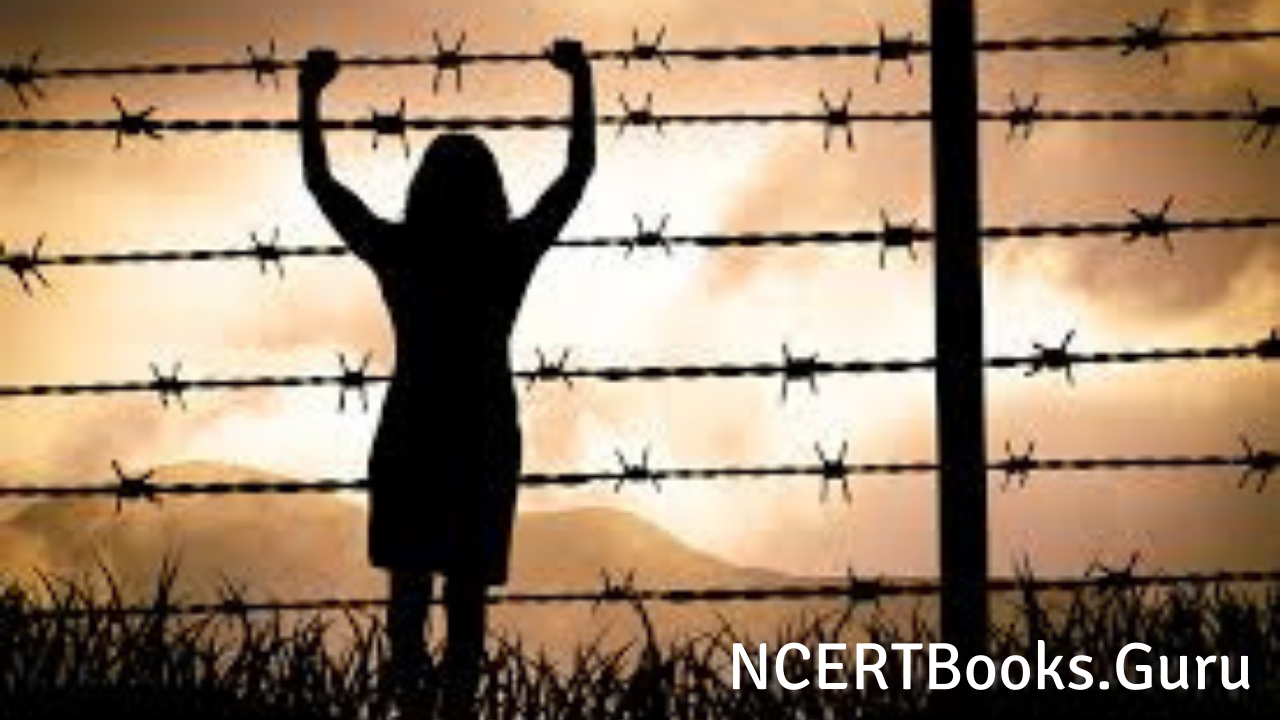
Essay on Status of Women in India

Long Essay on Status of Women in India 500 Words in English

Long Essay on Status of Women in India is usually given to classes 7, 8, 9, and 10.

Jawaharlal Nehru once said that the status of the women of any society depicts the entire nation’s economic and mental conditions and growth. In the ancient Indian scriptures, women are regarded as the symbol of spirituality. But, they are still mistreated and have to face inequality compared to the men of the same society. Several social evils like dowry, sati system, child marriage, and female infanticide were widely spread across the entire nation in the ancient and medieval periods. The enhancement of education and occupation opportunities and rising self-consciousness among women resulted in progress and development for them over recent times. Women are also getting empowered and advancement with a higher success rate in most of the fields available around.

In the earlier period, women were educated but still had to suffer from the evils of society. Then came some prominent entities like Raja Ram Mohan Roy, Vivekananda, and others worked to enhance the status of women and eradicate the social evils against them that existed in society. Furthermore, Mahatma Gandhi also emphasized on the abolition of child marriage and other evils. Soon, experts started providing martial arts and other training to women to help them acquire a better social position and be self-independent.

Presently, women eagerly take part in a broader range of work and profession. Thus they have the privilege of equality and equal respect and dignity in the families and society. Women now also have access to equal work opportunities like men. Under Article 16 of the Indian constitution, women have been granted equality for seeking for opportunities. Furthermore, girls are also given better education provision, and even the poor girls have access to compulsory Education and the Right to Education Act, just like the boys. The female population ratio is still lower in the nation but is getting better with the time. With better education and opportunities for girls and women, the nation’s entire social and economic development is also getting a pace. Moreover, currently, India accounts for a maximum ratio of female politicians all across the World, with Sarojini Naidu being the first President of India to be a female and Indira Gandhi being the first women Prime Minister of the nation.

Even after all the advancements and development, India’s women still have to face various violence, including domestic violence like beating, kitchen fires for dowry, sexual assaults, rape s, prostitution, and others. Child marriage and female infanticide has also not wholly vanished and is practised secretly in various parts of the nation.

Women are regarded as the soul of society. They are the self-empowered and self-trained segment of the human population which is responsible for raising moral values and overall development of their children and family. Educated and successful women are a great inspiration for the family and a leading example.

All the social evils and discriminations make the women considered the second rate citizen of the nation. This is a dominant and patriarchal behaviour of Indian society, which is a cruel action, just like the violence for the country’s women. Sexual and mental abuses and acts of violence are widespread and active in Indian society, even after all the advancements and women being more educated and successful than the earlier times.

In the ancient period, social stigmas were widely spread in the society. Even though many women were also educated and learned, they had to suffer the social evils like domestic violence, sati pratha, abuses, harassments, prostitution, and others. Even in the Vedic Hindu scriptures, women like Sita and Draupadi had to face the evils even after being innocent and victims themselves. Later, with the freedom struggle, several socialists and activists came who helped raise the women’s status and abolished the evils existing in society.

Women also acquired higher political status in the society, and with time they started learning skills like martial arts and becoming independent and self-motivated. Modern India witnessed various advancements and developments in the social status and equality for the women, and many reformers worked continuously for the upliftment and betterment for the women of the Indian society.

Women in the modern days have acquired privileges and rights in the nation, are well educated, politically uplifted, socially well, economically raised, and overall progress. They also actively participate in various activities in different fields and achieve immense success in their lives.  With time, the government permanently banned evil social acts against women. But despite the bans and abolishment, the evils are still under practice secretly in various parts of the nation. And now too, the women are only completely independent if they achieve the power to elevate in society and understand their rights.

Now the women have gained gender equality regarding work, Education, and payment. They have provision for maternal leaves too and get equal opportunities under Article 16 of the Indian constitution. Present era witness active participation of girls in schools and universities. Women also equally emerge in sports activities and other fields available globally. Indian constitution’s Article 14 also made Education necessary for all girls up to 14 years of age.

Women in Indian society have acquired significant political positions, and all governmental and non-governmental (private) organizations. They hold a place in the governmental bodies for regulating the working of the nation. Furthermore, India has the most number of women politicians all across the World. But, even after all the advancements and provisions, there is still room for better reforms to ensure 100% equality and respect for India’s women.
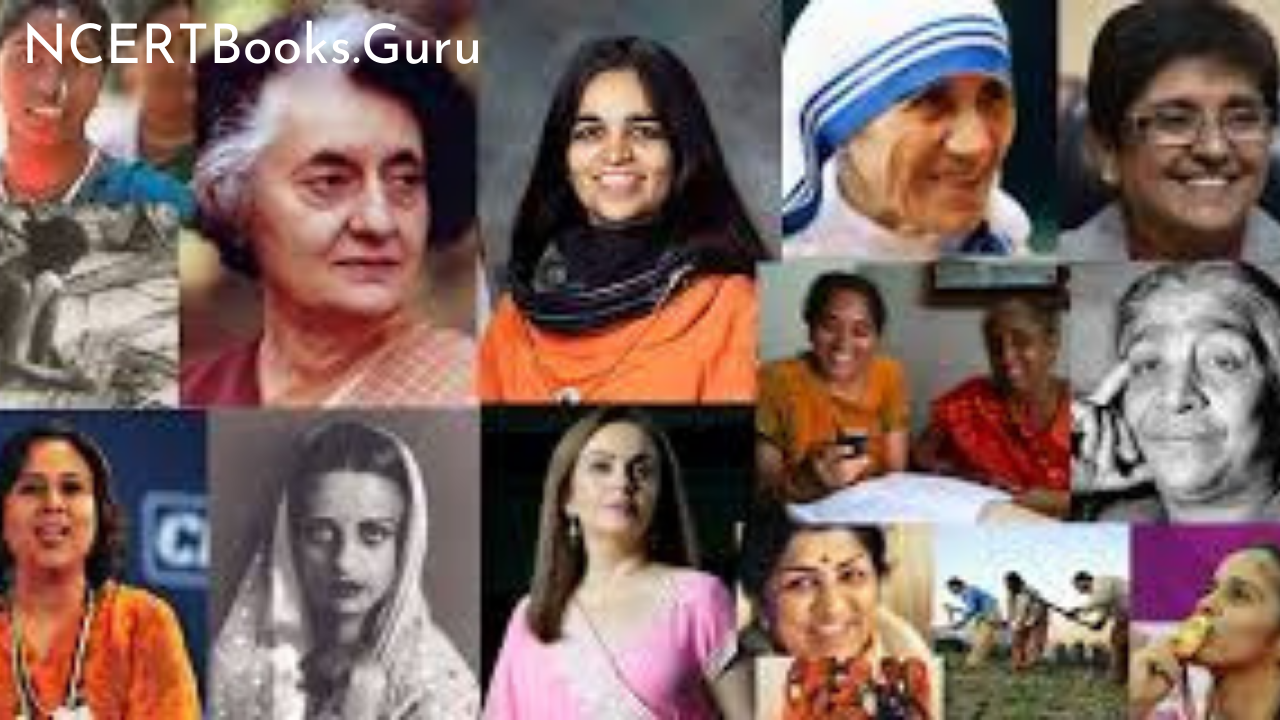
Essay about Status of Women in India

Status of Women in India Essay Conclusion

There has been a rapid and continuous transformation in women’s status compared to the earlier times. Presently, Indian society women participate in various fields and events and come out to represent their states or cities in multiple championships. Women in India have currently achieved a dignified and respectable position in their families and the entire nation.

Even after all the advancements, women still face various crimes and are suppressed by the dominating men and families. Therefore, there is a necessity for better reforms to ensure overall development and growth of women in India. Status of women in India essay is essential for the students and children to understand the social dilemma and issue and how to work for the benefits and advancement of women in society.
All Basic Details About Education in JAC | Jharkhand Board Duties & Responsibilities, Exam Resources, Study Materials

JAC

Are you looking for details about the JAC Education Board? Then, you have come to the right place. We as a team gathered complete information about the Jharkhand Board and its functions. Checkout all mentioned JAC roles, curriculum, syllabus, examinations, results, study materials, exam resources from this page, and know all about Jharkhand Academic Council (JAC). Access the below links and directly jump to your required section of Jharkhand Board information.

All About JAC

The abbreviation of JAC is the Jharkhand Academic Council. The State of Jharkhand came into existence on the 15th of November,2000. An Act to establish the Jharkhand Academic Council was approved by the Jharkhand State Legislature and sanctioned to by the honorable Governor of the State on 26.02.2003 and notified by the government on 04.03.2003, which is known as Jharkhand Academic Council Act 2002.

The Jharkhand Academic Council was established by the HRD Department Government of Jharkhand Vide Notification No. 6/V0-101/012491 dated 02-09-2003. Primarily, the JAC Board was constituted to held intermediate, secondary, and madrasa-level examinations of the students registered with government-recognized institutions.

Also, there are many functions of the Jharkhand Education Board which are listed below. First, have an insight into basic information of JAC from the given table and then dig deep for more info on JAC Education Board.

Jharkhand Education Board Name Jharkhand Academic Council
Abbreviated as JAC
Role of JAC Conduct class 10 and 12 exams, prescribing courses, etc.
Inception December 26, 2003
Jurisdiction Government of Jharkhand
Headquarters Ranchi, Jharkhand
JAC Chairman Name Dr. Arbind Prasad Singh
Official Website jac.jharkhand.gov.in

JAC Duties & Functions | Jharkhand Board Roles

Below are some of the primary roles and duties of the JAC which are revised by the Act, 2003, 2000, and recognition rules, 2005, 2006 and recognition rule, 2008. And these Jharkhand Board Functions are enacted by the state government. They are as under;

  • It grants permission for the opening and closing of intermediate college, elementary and secondary-level institutions under its jurisdiction.
  • Also, to grant diplomas or certificates to eligible students who have passed its examination.
  • It supervises the institutions affiliated to it and exercises various other powers amended to it by law.
  • To specify the courses of instruction and prescribe the syllabus.
  • It always conducts inspections of government recognized institutions, ensuring that required facilitates are available and functions of the staff.
  • JAC board chooses textbooks for the prescribed examinations.
  • Declares the results at the secondary school and higher secondary levels.
  • To recognize or de-recognize educational institutions at the secondary or higher secondary level.
  • To cancel the registration of any registered private institution that does not meet the proper conditions.

JAC Syllabus

The Jharkhand Academic Council is responsible for preparing the syllabus for all class students studying in affiliated schools of JAC. The Syllabus of the Jharkhand board prescribed in a way that students can cover all important topics related to core subjects and helps them to gain knowledge about the required subject skills. By covering the entire JAC syllabus during exam preparation helps students to score high in the examinations.

Exams & Results of Jharkhand Education Board

Every year, Jharkhand Board conducts the matric and intermediate exams for registered candidates in the months of February and March. Nearly 4.5 lakh students attend for the JAC Class 10 Examinations and 3.2 lakh students appear for the Jharkhand Board Class 12 Exams.

Students can expect the declaration of JAC Results of both class 10 and class 12 exams in the month of June. Well, all should visit the Jharkhand academic council official website ie., jac.nic.in or jac.jharkhand.gov.in for checking the JAC 10th & 12th Results.

Also, Read:

JAC Previous Year Papers & Model Question Papers

Solving all previous year question papers after the preparation of all concepts could be helpful for all students in scoring high marks in the exams. Even you should also try practicing with the board released JAC Model Papers to get familiar with the exam pattern, types of questions, important questions, and marking scheme. By having great knowledge about these things can help you perform well in the final exam paper.

Jharkhand Board Books

One of the best study materials out of all is Textbooks. It covers all topics included in the board prescribed syllabus. The given explanation of each topic is in a conceptual manner that students can read and understand easily. By using JAC Books, students can get introduced to the various important concepts in a simple understanding way.

Refer to the below accessible links and download Jharkhand Board Textbooks for all classes & prepare effectively.

Get in touch with our site Ncertbooks.guru to get complete information & latest details about the JAC board of education for primary, secondary, and higher secondary.

FAQs on JAC or Jharkhand Education Board Details

1. What is the JAC full form?

The full form of JAC is the Jharkhand Academic Council.

2. When was JAC Board Formed?

JAC (Jharkhand Academic Council) was formed by the government of Jharkhand after the enactment of the Jharkhand Academic Council Act, 2003 by the state legislature and governor. Currently, the headquarters of Jharkhand Academic Council is situated in Gyandeep Campus, Namkum, Ranchi.

3. What is the Jharkhand Academic Council?

The Jharkhand Academic Council or JAC is the main educational board of Jharkhand state which is liable for conducting secondary and intermediate exams along with providing courses, syllabus, and books for all the schools affiliated with the Jharkhand board.

4. Where can I check all about Jharkhand Education Board? 

You can check all about JAC or Jharkhand Board from this page. Also, you may find complete JAC exam resources along with its functions & responsibilities.

KBPE (Kerala Board of Public Examinations) Details | Check Duties & Syllabi

KBPE

KBPE full form is the Kerala Board Of Public Examinations, and it is a state education board that conducts exams and provides a quality education system for students under Kerala Board affiliate schools & colleges. There are two main boards, that are responsible for primary, secondary, and higher secondary education in Kerala. SSLC examination was conducted by the Kerala State Education Board (KSEB) for class 10 students and the Directorate of Higher Secondary Education (DHSE) conducts the HSE exam for classes 11 and 12 students every year.

To know more about the KSEB and DHSE, kindly go through this page and collect all basic and important stuff regarding the Kerala Board of Public Examinations like roles, exam resources, and many more. Just click on the links below here and directly jump into the respective field you need to know about Kerala State Board.

All About KBPE | Kerala Board of Public Examinations Overview

KBPE is an independent department for education, which is liable for conducting the Public Examinations like SSC, HSC, SSLC, ALEVEL, KTET, TTC, THSLC, and KGTE. The functions of the Kerala Board directly under the Ministry Of Secondary Education, Government Of Kerala, and increases to promote world-class education in Kerala state.

The Overview of KBPE is tabulated below, just have a glance at it before knowing other information about Kerala State Board Education.

Name of the Education Board KBPE (Kerala Board of Public Examination)
Formation 1965
Headquarters Trivandrum, India
Location Kerala Board Of Public Examinations, Directorate Of Secondary Education, Office Of Government Examinations, Poojapura, Thiruvananthapuram, Kerala-695012
Official Language Malayalam & English
Secretary, General Education Department Shri. A. Shajahan IAS
Contact Number 0471-2546806 /0471-2546832

Functions of Kerala Board of Public Examinations

The administration of rules and regulations that have been implemented by the Kerala Board for affiliated schools and colleges is the main function of KBPE. Some of the main governing and executing activities that are responsible by the Kerala state board are as follows:

  • Prescribing syllabus
  • Devising courses of study
  • Conducting exams for secondary and higher secondary
  • Providing directions and support
  • Giving affiliations to colleges

Education in Kerala

KBPE board of officials regulates, manages, and controls the education system in the state. The board functions very well in improving the advanced education system in the Kerala state. So, Kerala is now among the most literate states in India and is the first state to achieve 100% primary education because of the proper education offered for private schools and Government schools. There are two regulatory bodies for the primary and higher secondary education in Kerala namely,

  • KSEB (Kerala State Education Board)
  • DHSE (Directorate of Higher Secondary Education)

Also, Refer:

KBPE Syllabus & Curriculum

Every year Kerala Board of Public Examinations Syllabus is designed by KSEB and systematically they will make updates to grow the global standard of education. Both Kerala Board SSLC and DHSE Syllabus topics are prescribed by subject experts after thorough research and brain-mapping to offer a great quality of education to the students. To kickstart our preparation, all you need is the updated & new academic year KBPE Syllabi & Curriculum.

Kerala State Education Board Exam Pattern

Exam Pattern is the best way to get familiar with the structure of the question paper. So, students are advised to have prior knowledge on Kerala Board SSLC and DHSE Exam Pattern for better preparation. KBPE Exam Paper consists of Types of questions, exam duration, total marks, and no.of sections. By knowing this stuff you can plan your preparation accordingly.

KBPE Questions Papers

Previous year papers and model question papers are one of the best exam resources for students studying primary, secondary, and higher secondary classes in Kerala board affiliated schools. By solving the KBPE Questions Papers you can know the better version of the question paper structure along with important & repeated questions from each subject. Practicing and preparing these questions can help you score max. marks in the KBPE Board Examinations.

Kerala Board Exam Results

The results of SSLC and DHSE will be declared every year in the month of May or June. Students egaerly wait for their scores after commencing the Kerala Board Examinations. So, they can check KBPE SSC & HSE Results Online at the Kerala Board official website ie., kbpe.org by providing the roll number and DOB. Also, they can get more details on how to check the KBPE Exam Results from the Kerala SSLC Results page or from our website.

KBPE Grading System

SSLC examination appeared candidates can get their results in a grading system. Grades are given to the candidates by the KBPE on the basis of their Class 10 Exams. It represents the student’s performance in the exam. The Kerala State Board Grading System for SSLC exams are compiled here in the table:

Marks Range Grade Points Grade Remarks
90-100 9 A+ Outstanding
80-89 8 A Excellent
70-79 7 B+ Very Good
60-69 6 B Good
50-59 5 C+ Above Average
40-49 4 C Average
30-39 3 D+ Marginal
20-29 2 D Need Improvement
<20 1 E Need Improvement

SCERT Kerala Textbooks for Class 1 to Class 12

State Council of Educational Research and Training (SCERT Kerala) designs the textbooks for SSLC and DHSE in a simple way to learn the concepts easily by the students. You can find all topics in the respective class subjects are prepared by Kerala board subject experts in an understandable manner to all types of students in Kerala. Also, by studying with these KBPE Books, you can develop more interest in the content given in the Kerala board syllabus.

So, download Class 1 to 12 Kerala State Board SCERT Books in PDF format from here by accessing the quick links provided over here and check out them in an offline and online mode at any time.

Kerala Higher Secondary Education Board Contact Details

OFFICER DESIGNATION MATTER CONTACT
Sri. JEEVAN BABU K, IAS DIRECTOR PA To Director        0471-2320714mail id: [email protected]

[email protected]

Dr. PRAKASHAN P P JOINT DIRECTOR (ACADEMIC) School/Batch Sanctioning, Special Rules, Appeals of Approval of Teachers, Registration cancellation, Career Guidance, and all other Academic Matters CA to Joint Director Academic
0471 2323198
mail id: [email protected]
Dr.S.S.VIVEKANANDAN JOINT DIRECTOR EXAMINATION Issue of Certificate/ Duplicate Certificate, Migration Certificate/ Verification of Certificate, Mark list correction, and all other Exam related matters CA to Joint Director Exam 0471 2323192 0471-2331922 mail id: [email protected]
Smt. K B ANITHAKUMARY SENIOR ADMINISTRATIVE OFFICER Establishment matters of Principals/ Teachers / Lab Assistants of Govt.HSS CA to Senior Administrative Officer. 0471 2325868

mail id: [email protected]

Sri. MANOHARAN K B SENIOR FINANCE OFFICER Infrastructure facilities of Schools, Allotment of funds PF, Audit, Contingent bills, etc. CA to Senior Finance Officer 0471 2320928
mail id: [email protected]
Smt NARAYANI E S  REGIONAL DEPUTY DIRECTOR, THIRUVANANTHAPURAM Staff fixation / Approval of Aided School Teachers and Re-admission of Students etc. of TVM and KLM Districts 0471 2328247
Dr. JEEJA I R  REGIONAL DEPUTY DIRECTOR, CHENGANNUR Staff fixation / Approval of Aided School Teachers and Re-admission of Students etc. of ALPY and PTA Dist 0479 2453393
Smt. SAKUNTHALA K REGIONAL DEPUTY DIRECTOR, ERNAKULAM Staff fixation / Approval of Aided School Teachers and Re-admission of Students etc. of EKM, TSR Dist  0484 2343646
Sri. Sreekumar M R( In-Charge) CO-ORDINATOR ICT CELL First-Year Admission 0471 2529855
Dr. JACOB JOHN PROGRAMME COORDINATOR NSS CELL 0471 2323023

If you have any queries regarding the above-shared details on KBPE, DHSE, VSHE do comment below and we’ll resolve them soon. Meanwhile, bookmark or visit our website Ncertbooks.guru for more information regarding Kerala SCERT Exam Resources and Class-wise Kerala Board Preparation Materials for all subjects.

FAQs on Kerala State Board Education Details

1. What does KBPE, DHSE, VHSE stand for?

KBPE is the acronym for the Kerala Board of Public Examination, Kerala. DHSE stands for Directorate of Higher Secondary Education and VHSE stands for Vocational Higher Secondary Education in Kerala, which is responsible to provide the higher secondary courses education in the state of Kerala.

2. What is the Kerala Board of Public Examinations?

Kerala Board Of Public Examinations or KBPE is the main education body in the state which is independent and functions under the Ministry Of Secondary Education, Government Of Kerala. The Kerala Education Board’s main responsibility is to conduct all public exams such as SSLC, HSC, SSC, etc. in Kerala.

3. When was the Kerala Board of Public Examinations Formed?

KBPE was formed in the year 1965. It regulates and manages the system of intermediate and higher education in the state of Kerala and to name the education courses.

4. What is SCERT Kerala?

SCERT Kerala stands for State Council of Educational Research and Training is an autonomous body of the Education Department trusted with planning, implementation, and evaluation of all academic programmes from pre-school to higher secondary levels in the state of Kerala.

Thank You Letter Format | Samples on How to Write Letter of Thanks for Different Reasons?

Thank you letter format template and samples

Thank You Letter Writing: The value of Thank you note or email message or letter is very high and everyone will definitely face this kind of thank you or appreciation moment in their life. Saying thank you to the deserved person is important and it can boost your career, help you get a job offer, and cement a relationship with a client, vendor, or networking contact. Also, timing is very essential in this case so writing a thank you letter as soon as possible will make things even better and increases your chances in the future.

It feels awesome to write or get a Letter of Thanks for your hard work or help. Everyone needs to know & learn what to include and what not to include in order to draft the perfect Thank You Letter. So, today we have come up with the ultimate guide on writing the Thank you letters for Boss, Employees, Scholarship, Job Interview, Appreciation, etc.

Go ahead and check out the whole article for gaining knowledge on how to write a thank you letter perfectly. Also, you can refer to some other formal and informal topics of Letter Writing from our end & be thorough with the styles of letter writing.

Occasions to Write a Thank You Letter

The following are some occasions that call to letter a thank you letter or note to the desired person:

  • Job interview
  • Staying at someone’s home
  • After receiving a scholarship
  • Receiving a gift
  • Getting a job offer
  • Special occasions such as wedding or birthday party
  • To acknowledge a teacher’s efforts
  • Getting a donation from a business

Also Check: Tips for Formal Letter Writing 

Thank You Letter Format

An appreciation letter is also a kind of saying Thanks to an individual or group for achieving or completing the task at a particular time. You can say both formal and informal thanks but it mainly depends on the situation. But there is a format to write a letter of thanks. So, the standard format that you should follow while drafting the Thank You Letter is below. Check out the Format of Thank You Letter & write one on your own in the required situation:

  • Addressing the person
  • Thank you statement
  • Reason for thank you
  • Say Thank you again before closing the letter
  • Closing

Thank You Letter Samples & Examples

From this section, you all can find some necessary Letter of Thanks Sample Examples where you’ll get help while drafting the one. All letter of thanks samples is in image format so you can download them and share them with your friends and needed ones to get an idea of what to write and what not to write. Here are the sample examples of Thank You Letter:

Professional Thank You Letter Sample

professional thank you letter sample

Sample Interview Thank You Letter

Interview thank you letter sample

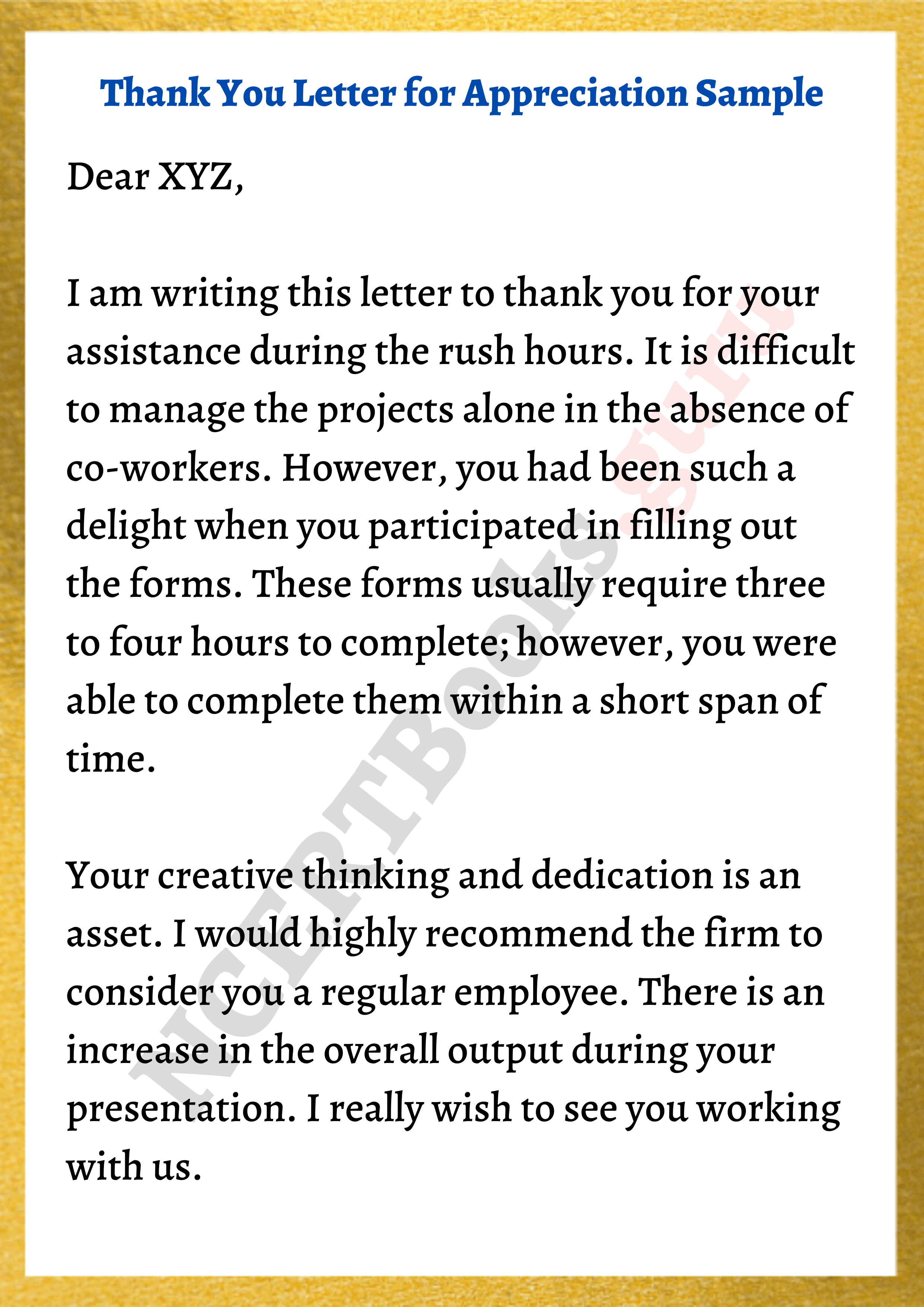
Sample Letter of Thanks for Appreciation

appreciation thank you letter sample

Thank you Letter for an Employee With Template

thank you to employees letter template

Thank you Letter to a Friend

thank you letter for friend

Writing Tips for Thank You Letter

Here are a few tips for writing a good thank you letter:

  • Show your gratitude immediately especially after a job interview.
  • Express your sincere gratitude.
  • Personalize each letter in a well-structured way and most of the time write a thank you letter in a formal format.
  • Make it short and sweet.
  • Keep it error-free grammatically.
  • Use a professional tone in official situations.
  • Be concise.
  • A Thank you letter length should not exceed one page either business or personal draft.
  • Proofread the letter before you send or email it to concerned persons.

FAQs on Thank You Note or Letter Writing

1. What is a Thank You Letter?

Thank you letter is a formal and informal note where one can use to express their gratitude for the hard work in any project or received service or appreciation to another person/party/organization. Also, you can call this Thank You letter a Letter of Thanks.

2. What are the types of Thank You Letters?

Mainly, there are three types of thank you letters, as stated below:

  • Handwritten Thank You Letters
  • Printed Thank You Letters
  • Email Thank You Letters

3. When should I send a thank you letter to employees?

Managers or Team lead’s can send a Thank You Letter/Note to employees at any time & situation. Most of the time, higher officers or managers send thank you notes to their employees at the end of a financial year, or completion of an important project, or have come up with a solution to a challenging task.

10 Lines on Cow for Students and Children in English

10 Lines on Cow

10 Lines on Cow: Cows are one of the most commonly domesticated hoofed animals. They are bred for their milk which is further used in the production of dairy products. Milk is used in the preparation of cheese, curd, cream, sweets and various other food items. It is rich in calcium, vitamins and is a rich source of protein. It is advisable that younger children should drink a glass of milk daily to help them fulfil their daily protein intake required for their growth.

In this article, we will discuss about Cow, its importance and significance in our lives. We will also look at the special characteristics that allow it to survive. Cows also have a religious aspect connected with them. According to Hindu mythology, Cows are worshipped as “Gau Mata”, where gau means Cow and Mata means mother. It is given the status of the mother and therefore is worshipped as per the Hindu scriptures.

Much like other domesticable animals, Cows are herbivores and require a good amount of fodder daily. It feeds upon grass, plants, vegetables and leaves. Its digestive system is also specially adapted for the digestion of plants. Cows have a large mouth and a long oesophagus which allows them to eat a large amount of food in a single time. This is really helpful in the wild as it allows the cow to feed quickly as the head-down position is vulnerable.

Enhance your vocabulary and writing skills with 10 Lines Essays available. Spark up the creativity in you and access various Topics on 10 Lines all in one place.

Short Essay on Cow

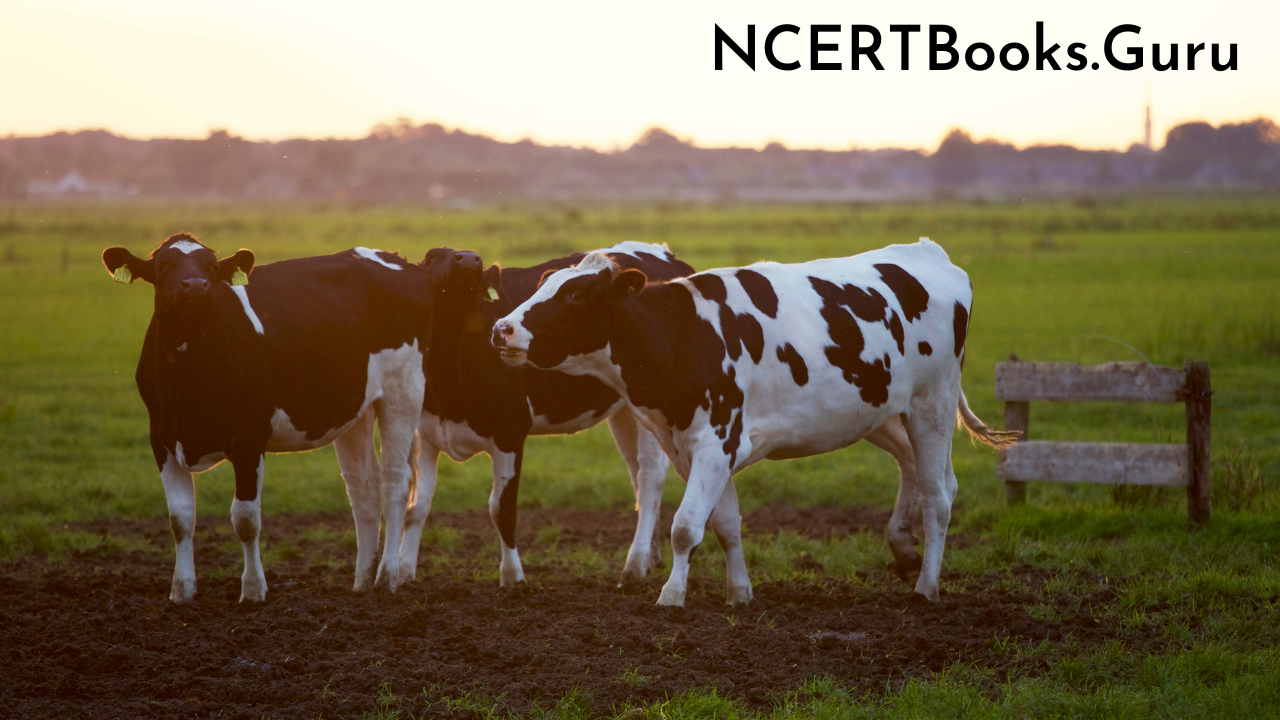
Cows are domestic animals which give us milk. They are also bred for their meat but are primarily used for the production of milk which is further used in the preparation of dairy products. The dairy industry is a profitable business and cows are an important aspect of it. Cows have a big mouth, a long tail, four legs, a pair of eyes, ears and horns.

Its big mouth and specialized teeth allow it to chew its food in a circular motion. Cow re-chews its foods several times and also its four-chambered stomach allows the breakdown of complex plant fibres.

Given below are three different sets of 10 lines on Cow. These can be used according to the purpose they serve.

Set 1 – 10 lines on Cow for kids

This set is for primary level students. It contains basic and simple information about cows and their importance. Students below class 5 can use this information and it will serve their purpose well.

  1. Cows are one of the most commonly domesticated animals all over the world.
  2. Cows are herbivores in nature and feed on grass, leaves and vegetables.
  3. Cows have a pair of horns, eyes, ears, one big nose, a long tail and four legs to help them balance their large weight.
  4. Cows are commonly domesticated to obtain milk.
  5. The dairy industry is a very profitable business industry and cows are an important aspect of it.
  6. The lifespan of a cow is about 25 years.
  7. Cow milk is a commonly used raw material in the production of dairy products such as cheese, cream and in the preparation of sweets.
  8. Cows give birth to young ones, which is called a calf.
  9. Cow dung is also used in the production of manure which is useful in the cultivation of crops and fuel.
  10. Cows are animals who are generally calm and gentle.

10 Lines about Cow

Set 2 – 10 Lines on Cow for School Children

The second set contains detailed information about Cow. It is intended for use by students form class 6-10.

  1. Cows are domesticated all over the world for fulfilling human needs.
  2. Cows feed on grass, leaves, plants and vegetables as they are herbivores in nature.
  3. A female calf is called heifer calf and a male is called bull calf or in general, both of them are labelled as the calf.
  4. Gobar gas plants use cow dung to produce biogas and also cow dung is very commonly used in agriculture as manure.
  5. Physical features of a cow are a long nose, a pair of horns, ears, eyes, a long tail and four legs to maintain posture.
  6. Cow milk is used in the production of cheese, ghee, cream, curd and the preparation of various dishes and sweets.
  7. Domestication of cows in rural areas is very common and now big farms where cows are bred to run a profitable business can also be seen.
  8. According to Hindu mythology, the cow is worshipped as “gau mata” and people’s religious aspect is connected to cows.
  9. Cows have a four-chambered stomach which is adapted for the digestion of tough plant fibres such as cellulose.
  10. Cows have a well-developed mechanism for grazing, with a large mouth and teeth for eating vegetation helps them in a circular motion to be effective.

Set 3 – 10 Lines on Cow for Higher Class Students

This set is for students of higher classes who require additional information about Cow. It contains biological and scientific facts and data about Cow

  1. Cows are domesticable animals of the order Artiodactyla.
  2. Cows are herbivores which feed on plants, vegetables, leaves, grass and have specialized teeth and a large mouth which helps them in grazing effectively in a circular motion.
  3. The Latin word for cows is bos and is reared for its milk.
  4. Milk produced by cows is used in the production of dairy products such as cheese, cream and in the preparation of food items.
  5. Cows are worshipped as “Gau Mata” in Hindu mythology and it has religious significance in the religious scriptures.
  6. Cows have a specially adapted digestive system that allows them to re-chew their food and break down complex plant fibres.
  7. Presently, cows are the most commonly domesticated hoofed animal around the world.
  8. Cows among other hoofed animals are also commonly reared for beef which makes up a part of the western and middle-eastern countries.
  9. Cows give milk about 10 months after the birth of their calf and the production depends upon the breed and age of the cow.
  10. Different breeds of cow produce different qualities and quantities of milk.

10 Lines for Cow

Frequently Asked Questions on Cow

Question 1.
Give a brief account of the physical characteristics of the Cow?

Answer: 
Cows have four legs which support their weight, a long tail, a big nose, a pair of eyes, ears and horns, one big mouth and specialized teeth for chewing and eating purposes. It also has a specialized digestive tract which allows it to re-chew its food. Its stomach is four-chambered to allow digestion of plants.

Question 2.
What are some different breeds of Cow?

Answer: 
Different breeds of Cows are present in the different parts of the world. These are domesticated for their quality and quantity which differs in the different breeds of the cow. Some common cow breeds are:

  1. Ayrshire: These are cows are originally from Scotland but now can be found throughout the temperate grasslands. These are distinguishable by its red or brown colour over white. These cows have a deep and fleshy body.
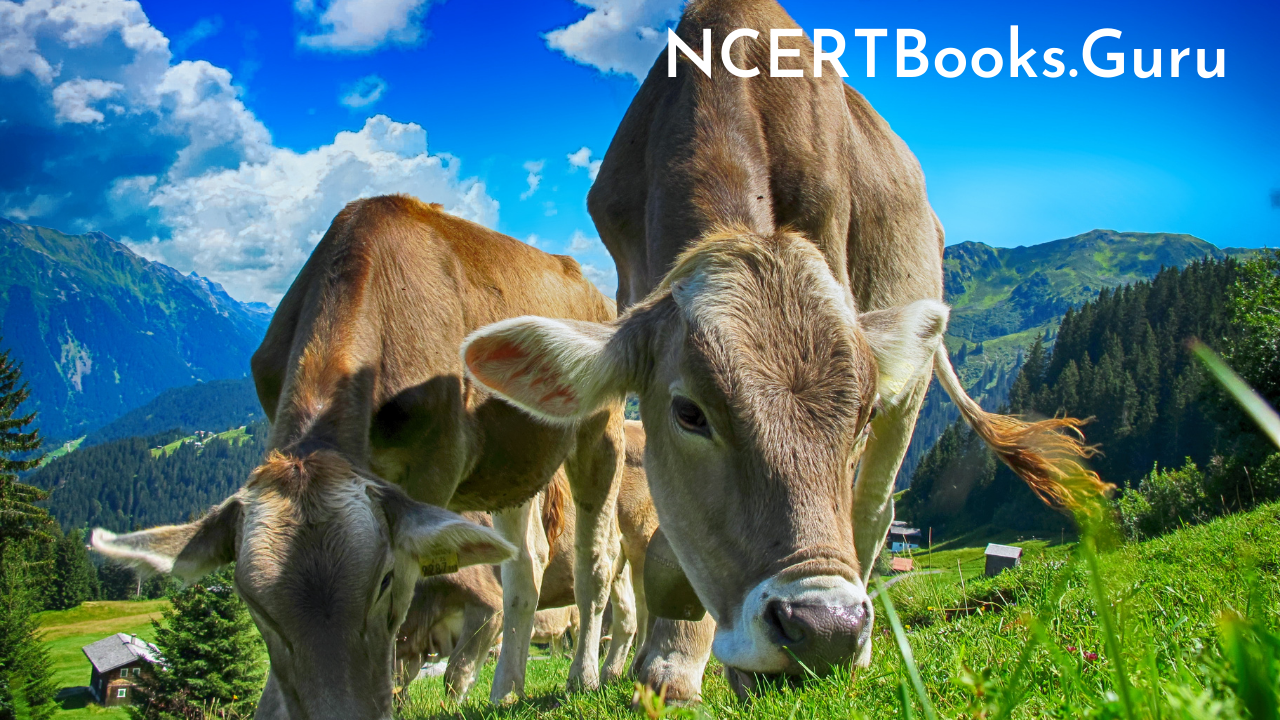
  2. Brown Swiss: These were originally from Switzerland and are now commonly found in North and South America plus parts of Europe. It has a wedge-shaped body which is light to dark brown in colour
  3. Guernsey: These were originally from Guernsey and are now present in the United Kingdom, North America and Australia. These have shorter horns and known for their excellent milk production.
  4.  Holstein-Friesian: These were originally from Jersey but are now in every cattle-rasing country.
  5. Milking Shorthorn: These are from England and are now present in the United States and Australia. These are of red, red and white, white or roan in colour.
  6. Redpoll: These are from England and are now present in parts of North America. These are red in colour with some white.

Question 3.
What are the common uses of Cow dung?

Answer: 
Cow dung is the waste product of Cows. It is commonly used as:

  • Agricultural fertilizer or manure.
  • It is also used as fuel.
  • It is also converted into biogas in gobar gas plants that produce electricity and heat.
  • In some parts of the world, it is used to repel mosquitoes.

Question 4.
Give an account of the domestication of cows and economic production.

Answer:
As of 2016, around 1 billion cows were estimated with India, Brazil and China leading the list. Cows were first domesticated as all-purpose domesticable animals for milk and meat. Two broadly recognizable species of cows are- zebu or the humped cattle and the other one without humps.

Cows are interbred to obtain species with the advantage of both. Due to the advances in science and technology, cows with the capacity to produce more milk are bred and the milk is obtained with the use of machines.

Convert Foot to Miles Calculator

Convert ft to mi Calculator: Do you want to convert foot into miles? If so, you have come the right way and use our online calculator to convert feet into miles easily. Make use of the quick and easy way to convert the metric feet into another metric mile.

Provide the length in the foot as input and then you will get the output converted into miles in no time. Our ft to mi Calculator will also allow you to do conversions in other metrics like cm, yd, etc. Get the formulas associated with the Feet to Mile Conversions, Examples, and Tables, etc.

What is Foot?

A Foot is a unit length or distance in both the Imperial System and US Customary Units. The Symbol used to denote foot are ft or ‘. Usually, you will have 5,280 feet in a mile.

Feet is commonly used in the measurement of objects such as length of a car, the height of a door, or the distance between two objects.

What is Miles?

A mile is a unit of Length or Distance in both US Customary Units and Imperial System. The symbol for the mile is mi. There are 0.00018939 miles in a foot.

Usually, miles are used in the scenarios to measure the distance of how much you walked or how far you are from one place to another, etc.

How to Convert Foot to Miles?

To convert foot measurement to mile measurement, divide the length by conversion ratio. Let’s have a closer look at the formula to convert ft to mi by listing it below.

miles = feet ÷ 5,280
mi = ft * 0.00018939393

Example 1:

Convert 1500 feet into miles?

Solution: 

As per the formula miles = feet ÷ 5,280

On applying the given values in the formula we get the result as follows

miles = 1500÷ 5280

= 0.2840916 miles

∴ 1500 Foot = 0.2840916 miles

Feet to Miles Conversion Table

Feet Miles
1′ 0.000189 mi
2′ 0.000379 mi
3′ 0.000568 mi
4′ 0.000758 mi
5′ 0.000947 mi
6′ 0.001136 mi
7′ 0.001326 mi
8′ 0.001515 mi
9′ 0.001705 mi
10′ 0.001894 mi

How to use ft to mi calculator?

If you are about to use the feet to miles calculator you must be worried about how to use it. Go ahead with the simple steps and calculate the output easily.

  • Initially, enter the foot value in the input provision given.
  • Choose from the unit you want to convert the foot value and then click on the Convert button.
  • You will get the output in no time after submitting the input value.

FAQs on Foot to Miles

1.  How many feet are in a mile?

A Mile has around 5,280 Feet and we express it as such mi = 5280 ft.

2. How to convert from ft to mi?

You can convert Foot to miles using any of the formulas i.e.

mi = ft * 0.00018939393

or

miles = feet ÷ 5,280

3. How long does it take to walk a mile?

It takes around 15 to 20 minutes to walk a mile at a moderate pace.

4. How to Convert Foot to Miles easily?

You can convert Foot into Miles easily by taking the help of our free Convert ft to mi calculator. This makes your job of doing lengthy calculations easy and gives the result in no time with a detailed explanation.