NCERT Solutions for Class 7 Social Science History Chapter 3 The Delhi Sultans

The Delhi Sultans Class 7 Questions and Answers History Chapter 3

Class 7 History Chapter 3 NCERT Textbook Questions and Answers

Question 1.
Which ruler first established his or her capital at Delhi?
Answer:
Delhi first became the capital of a kingdom under the Tomara Rajputs, who were defeated in the middle of the twelfth century by the Chauhans of Ajmer.

Question 2.
What was the language of administration under the Delhi Sultans?
Answer:
The language of administration under the Delhi Sultans was Persian.

Question 3.
In whose reign did the Sultanate reach its farthest extent.
Answer:
The Sultanate reacted its farthest extent under the reign of Alauddin Khalji.

Question 4.
From which century did Ibn Battuta travel in India?
Answer:
Ibn Battuta came to India from Morocco (Africa).

Question 5.
According to the “circle of justice” why was it important for military commanders to keep the interests of the peasantry in mind?
Answer:
According to the circle of justice/, it was important for military commanders to keep the interests of the peasantry in mind because each commander obtained salary from the Iqta he got. They got only that revenue which was fixed by the government. The accountants were also appointed by the state to check the amount of revenue collected by the muqtis

Question 6.
What is meant by the ‘internal’ and ‘external’ frontier of the Sultanate?
Answer:
The intemal frontierofthe Sultanate was the area controlled by the Sultanate. The Sultanate aimed at consolidating the hinterland of the garrison towns. The “external” frontier of the Sultanate refer to the area outside the enclosed area. It aims at the military expectations of the Sultanate.

Question 7.
What were the steps taken to ensure that muqtis performed their duties? Why do you think they may have wanted to defy the orders of the Sultanas?
Answer:
The steps taken to ensure that muqtis performed their duties were as follows”

  1. They were appointed for a very short tenure (Period).
  2. They were not awarded Iqta.
  3. They were frequently transferred from one Iqta to another Iqta.

The muqtis wanted to defy the orders of the Sultanas because there were number of restrictions on them. They were frequently transferred from one Iqta to another Iqta. Accountants were appointed by the state to check the amount collected by them. The government also took care that muqtis only collected the taxes prescribed by the state.

Question 8.
What was the impact of the Mongol invasions on the Delhi Sultanate?
Answer:
The Mongols under Genghis Khan invaded Transoxiana in north-east Iran in 1219 and the Delhi Sultanate faced their onslaught soon after. Mongol attacks on the Delhi Sultanate increased during the reign of Alauddin Khalji and in the early years of Muhammad Tughlag’s rule. This forced the two leaders to mobilise a large standing army in Delhi which posed a huge administrative challenge.

Question 9.
Do you think the authors of tawarikh world provide information about the lives of ordinary men and women?
Answer:
The authors of tawarikh were learned men and lived in cities only. Since they did not visit any village and they did not know about the lives of ordinary men and women. Moreover, they wrote only in praise of the Sultan to get a reward.

Question 10.
Raziyya Sultan was unique in the history of the Delhi Sultanate. Do you think women leaders are accepted more readily today?
Answer:
Raziyya Sultan, daughter of Ututmish was a noble and more qualified ruler than her brothers. However her brothers and nobles were not happy of her being a ruler. She was removed in 1240 after a short reign.

Today is a modem world, women enjoy the same rights as men. They are found in each and every job. Now, women leaders are accepted more readily and without hinderance. For example, even our President, the most highest post in our country, is a woman.

Question 11.
Why were the Delhi Sultans interested in cutting down forests? Does forestation occur for the same reasons today?
Answer:
The Delhi Sultans were interested in cutting down forests to safe guard their internal frontier policy. They cleared forest in Ganga-Yamuna Doab to even farming and also to set new cities to promote trade and to protect routes.

Now-a-days deforestation occurs due to urbanisation and industrialisation. The motive behind is to develop the country and not to save it from its enemies.

Question 12.
Find out whether there are buildings built by the Delhi Sultans in your area. Are, there any other buildings in your area that are built between the twelfth and fifteen centuries? Describe some of these buildings, and draw sketches of them.
Answer:
Yes, there are several. Some of them are Buildings built between 12th and 15th century

  • Jamali-Kamali Mosque.
  • Sirifort.
  • Begumpuri Mosque.
  • Moth Ki Masjid.
  • Raziyya’s Tomb.
  • Qutb Minar.
  • Tugalakabad Fort
  • Firuz Shah Kotla
  • Purana Quila

Sketches: Do this yourself.
Other Buildings

  • Lai Quila, Jama Masjid.

NCERT Solutions for Class 7 Social Science

Business Letter Types, Format, Samples | How to write a Business Letter?

Business Letter

Writing a letter for a business audience is different than writing for academic disciplines or social sciences, etc. Business Letters need to be crisp and short rather than creative and evocative. It needs to be more accurate and is no superior or inferior to other styles. When you write a Business Letter remember audience has less time and write a bottom line so that they can respond to it.

A Business Letter is a formal way of letter writing and can be used in different situations be it applying for a job, requesting or delivering information from one company to another. It has a crucial role in Corporate Industry and is the most commonly sent via Email. Printed Business Letters are used in different scenarios like Employment Letters, Appointment Letters, Job Offer Letters, Relieving Letters, etc.

Get to know How to Write a Business Letter, Samples, Types of Business Letters attached below for your reference. Also, check out the Business Letter Format so that you can write one on your own if required.

Types of Business Letters

There are many Business Letters written according to specific purposes. We have listed them as such

  • Offer Letter
  • Acknowledgment letter
  • Appointment Letter
  • Reference Letter
  • Order Letter
  • Complaint Letter
  • Sales Letter
  • Employment Letter
  • Recommendation Letter
  • Inquiry letter

Refer to more kinds of Letter Writing Topics be them formal or informal and learn how to write letters in different styles.

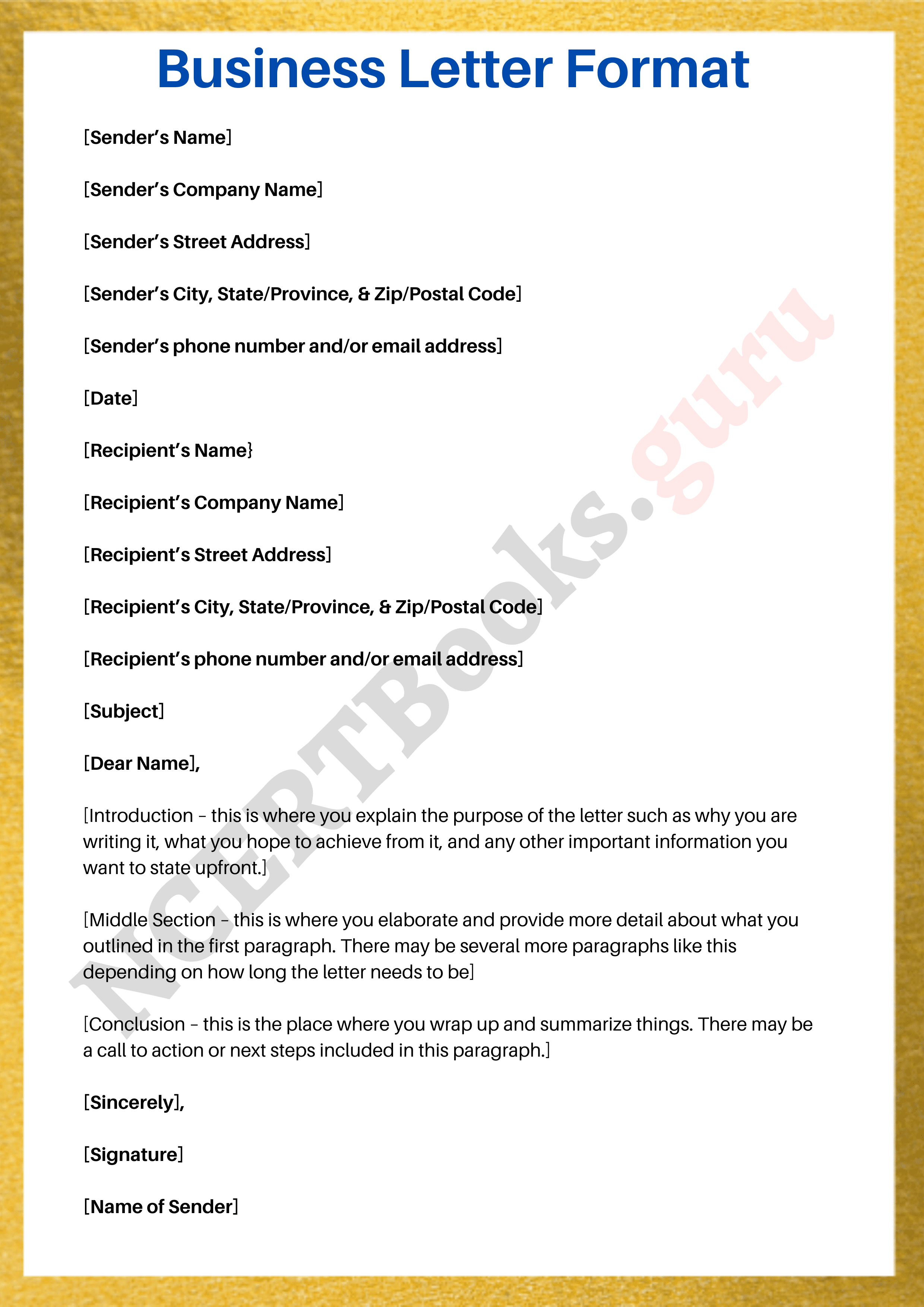
Business Letter Format | Formal Business Letter Structure

If you are worried about how to draft a Business Letter you can write it easily by following the Business Letter Structure. Go through the Business Letter Format or Template available below and create a Business Letter as per your requirement.

Business Letter Format

How to Write a Business Letter? | What to Include in a Business Letter?

Be Clear with the Purpose of the Letter and write it in Simple Language. Keep the Opening Para Short and include all the important details. Subsequent Paragraphs should provide the user an idea about your Objectives. Avoid using Lengthy Sentences and keep them concise to grab the attention of the user.

If you aren’t clear on whom to address in your Letter you can start with “To Whom So Ever it may Concern”. Make sure to include the right addresses. Salutation is quite crucial as it displays your politeness. It differs from a formal conversation to an informal conversation. In the Body use a single-spaced lines and add space between each and every paragraph.

In the Closing Salutation, add the reason for writing and thank the reader for considering your request. Write your signature just beneath the closing statement.

Sections of Business Letter

  • Your Contact Information
  • Date
  • Recipient’s Contact Information
  • Salutation
  • Body
  • Closing Salutation
  • Your Signature

Business Letter Writing Samples

Sample Business Letter

Sample Business Letter

Formal Business Letter

Formal Business Letter

FAQs on Business Letter

1. What are the Types of Business Letters?

  • Offer Letter
  • Acknowledgment letter
  • Appointment Letter
  • Reference Letter
  • Order Letter
  • Complaint Letter
  • Sales Letter
  • Employment Letter
  • Recommendation Letter
  • Inquiry letter

2. What is a Business Letter?

A business letter is a formal document often sent from one company to another or from a company to its clients, employees, and stakeholders.

3. Where do I get Business Letter Writing Examples?

You can get Business Letter Writing Examples for free on NCERTBooks.guru a trusted portal for all kinds of letters.

NCERT Solutions for Class 9 Sanskrit Shemushi Chapter 4 कल्पतरूः

We have given detailed NCERT Solutions for Class 9 Sanskrit Shemushi Chapter 4 कल्पतरूः Questions and Answers will cover all exercises given at the end of the chapter.

Shemushi Sanskrit Class 9 Solutions Chapter 4 कल्पतरूः

अभ्यासः

प्रश्न 1.
अधोलिखितानां प्रश्नानाम् उत्तराणि संस्कृतभाषया लिखत –

(क) कञ्चनपुरं नाम नगरं कुत्र विभाति स्म?
उत्तर:
कञ्चनपुरं नाम नगरं हिमवतः शिखरे विभाति।

(ख) जीमूतकेतुः किं विचार्य जीमूतवाहनं यौवराज्ये अभिषिक्तवान्?
उत्तर:
जीमूतकेतुः तस्य गुणोः प्रसन्नः सचिवैः च प्रेरितः सन् जीमूतवाहनं यौवराज्ये अभिषिक्तवान्?

(ग) कल्पतरोः वैशिष्ट्यमाकर्ण्य जीमूतवाहनः किं अचिन्तयत्?
उत्तर:
अहं ईदृशात् अमरपादपात् अभीष्टं मनोरथ साधयामि इति।

(घ) पाठानुसारं संसारेऽस्मिन् किं किं नश्वरम् किञ्च अनश्वरम्?
उत्तर:
संसारेऽस्मिन् देहः धनं च नश्वर परोपकारः यशश्च अनश्वरम्।

(ङ) जीमूतवाहनस्य यशः सर्वत्र कथं प्रथितम्?
उत्तर:
जीमूतवाहनस्य सर्वजीवानुकम्पया सर्वत्र यशः प्रथितम्।

प्रश्न 2.
अधोलिखितवाक्येषु स्थूलपदानि कस्मै प्रयुक्तानि?

(क) तस्य सानोरुपति विभाति कञ्चनपुर नाम नगरम्।
उत्तर:
हिमवते।

(ख) राजा सम्प्राप्तयौवनं तं यौवराज्ये अभिषिक्तवान्?
उत्तर:
जीमूतवाहनाया

(ग) अयं तव सदा पूज्य:।
उत्तर:
कल्पतरवे।

(घ) तात। त्वं तु जानासि सत् धनं वीचिचच्चञ्चलम्।
उत्तर:
पित्रे जीमूतवे।

प्रश्न 3.
अधोलिखिताना पदानां पर्यायपदं पाठात् चित्वा लिखत –

(क) पर्वतः ………
(ख) भूपतिः ……..
(ग) इन्द्रः ………
(घ) धनम् ………
(ङ) इच्छितम् ………
(च) समीपम् ……….
(छ) धरित्रीम् ………
(ज) कल्याणम्
(झ) वाणी ……….।
(ञ) वृक्षः
उत्तर:
(क) पर्वतः – नगः
(ख) भूपतिः – राजा
(ग) इन्द्रः – शक्रः
(घ) धनम् – वसु
(ङ) इच्छितम् – अभिलषितम्
(च) समीपम् – अन्तिकम्
(छ) धरित्रीम् – पृथ्वीम्
(ज) कल्याणम् – हितम्
(झ) वाणी – वाक्
(ञ) वृक्षः – तरुः

प्रश्न 4.
‘क’ स्तम्भे विशेषणानि ‘ख’ स्तम्भे च विशेष्याणि दत्तानि। तानि समुचितं योजयत

‘क’ स्तम्भ – ‘ख’ स्तम्भ

कुलक्रमागत: – परोपकारः
दानवीरः – मन्त्रिभिः
हितैषिभिः – जीमूतवाहनः
वीचिवच्चञ्चलम् – कल्पतरु:
अनश्वरः – धनम्:
उत्तर:
कुलक्रमागतः – कल्पतरुः
दानवीरः – जीमूतवाहनः
हितैषिभिः – मन्त्रिभिः
वीचिवच्चञ्चलम् – धनम्
अनश्वरः – परोपकारः

प्रश्न 5.
(क) ” स्वस्ति तुभ्यम्” स्वस्ति शब्दस्य योगे चतुर्थी विभक्तिः भवति। इत्यनेन नियमेन अत्र चतुर्थी विभक्तिः प्रयुक्ता। एवमेव (कोष्ठकगतेषु पदेषु) चतुर्थी विभक्तिं प्रयुज्य रिक्तस्थानानि पूरयत –

  1. स्वस्ति………(राजा)
  2. स्वस्ति………(प्रजा)
  3. स्वस्ति………..(छात्र)
  4. स्वस्ति…. …(सर्वजन)

उत्तर:

  1. स्वस्ति राजे
  2. स्वस्ति प्रजाभ्यः
  3. स्वस्ति छात्रेभ्यः
  4. स्वस्ति सर्वजनाय

(ख) कोष्ठकगतेषु पदेषु षष्ठी विभक्तिं प्रयुक्त रिक्तस्थानानि पूरयत –

  1. तस्य ………..उद्याने कल्पतरुः आसीत्। (गृह)
  2. सः ………….अन्तिकम् अगच्छत्। (पितृ)
  3. ……….सर्वत्र यशः प्रथितम् (जीमूतवाहन)
  4. अयं ………….तरु? (किम्)

उत्तर:

  1. तस्य गृहस्य उद्याने कल्पतरुः आसीत्।
  2. सः पितुः अन्तिकम् अगच्छत्।
  3. जीमूतवाहनस्य सर्वत्र यशः प्रथितम्
  4. अयं कस्य तरु?

प्रश्न 6.
स्थूलपदान्यधिकृत्य प्रश्ननिर्माण कुरुत –

(क) तरोः कृपया सः पुत्रम् अप्राप्नोत्।
उत्तर:
कस्य कृपया सः पुत्र अप्राप्नोत्?

(ख) सः कल्पतरवे न्यवेदयत्।
उत्तर:
सः कस्मै न्यवेदयत्?

(ग) धनवृष्ट्या कोऽपि दरिद्रः नातिष्ठत्।
उत्तर:
कया कोऽपि दरिद्र नातिष्ठत्?

(घ) कल्पतरुः पृथिव्यां धनानि अवर्षत्?
उत्तर:
कल्पतरुः कुत्र धनानि अवर्ष?

(ङ) जीवानुकम्पया जीमूतवाहनस्य यशः प्रासरत्।
उत्तर:
कथं जीमूतवाहनस्य यशः प्रासरत्?

प्रश्न 7.
(क) यथास्थानं समासं विग्रहं च कुरुत –

  1. विद्याधराणां पतिः ……….
  2. ………………. गृहोद्याने
  3. नगानाम् इन्द्रः …………..
  4. ……………….परोपकार:
  5. जीवानाम् अनुकम्पया………….

उत्तर:

  1. विद्याधराणां पतिः विद्याधरपति
  2. गृहस्य उद्याने गृहोद्याने
  3. नगानाम् इन्द्रः नगेन्द्रः
  4. परेषां उपकारः परोपकार:
  5. जीवानाम् अनुकम्पया जीवानुकम्पया

(ख) उदाहरणमनुसृत्य मंतुप् (मत्, वत्) प्रत्ययप्रयोग कृतवा पदानि रचयत –
यथा- हिम + मतुप् = हिमवान्
श्री + मतुप् = श्रीमान्

  1. शक्ति + मतुप्
  2. धन + मतुप्
  3. बुद्धि + मतुप्
  4. धैर्य + मतुम्
  5. गुण + मतुप्

उत्तर:

  1. शक्ति + मतुप – शक्तिमान्
  2. धन + मतुप् – धनवान्
  3. बुद्धि + मतुप् – बुद्धिमान्
  4. धैर्य + मतुप् – धैर्यवान्
  5. गुण + मतुप् – गुणवान्

व्याकरणात्मकः बोधः

1. पदपरिचयः – (क)

(क) सानो: – सानु शब्द, षष्ठी विभक्ति, एकवचन। (चोटी के)
(ख) यौवराज्ये – युवराजस्य भावे यौवराज्ये। सप्तमी वि. एकवचन। युवराज से सम्बन्धित कार्य में।
(ग) अस्मान् – अस्मद् शब्द, द्वितीया वि. बहुवचन। हम
(घ) कश्चिद् – किम् (पु.) शब्द, तृतीया वि. बहुवचन कै:+ चिद्। किन्हीं के द्वारा (केवल कुछ एक द्वारा)
(ङ) ईदृशः – इदम् + दृश्, प्रथमा विभक्ति. एकवचन। इसके जैसा।
(च) त्वाया – युष्मद् शब्द, तृतीया विभक्ति, एकवचन। (तेरे द्वारा)।
(छ) अस्माभिः – अस्मद् शब्द, तृतीया विभक्ति, बहुवचन हमारे द्वारा।

पदपरिचयः -(ख)

(क) प्राप्नोत् – प्र + आप धातु, लङ्लकार, प्रथम पुरुष, एकवचन। प्राप्त किया।
(ख) शक्नुयात् – शक् धातु. विधिलिङ्ग, प्रथम पुरुष, एकवचन। सकता है।
(ग) साधयामि – साध् धातु, लट्लकार, उत्तम पुरुष, एकवचन। सिद्ध करता हूँ।
(घ) जानासि – ज्ञा धातु, लट्लकार, मध्यम पुरुष, एकवचन। जानते हो।
(ङ) उवाच – वच् धातु. लिट्लकार, प्रथम पुरुष, एकवचन। बोला।
(च) उदभूत् – उत् + भू धातु, लुङ्लकार, प्रथम पु.. एकवचन। प्रकट हुई।

2. सन्धि कार्यम् –

(क) सानोरुपति – सानो: + उपरि
(ख) जीमूतकंतुरिति – जीमूतकंतु + इति
(ग) गृहोद्याने – गृह + उद्याने
(घ) शक्रोऽपि – शक्र; + अपि
(ङ) अर्थोऽर्थित: – अर्थ: + अर्धित:
(च) पूर्वरयम् – पूर्वैः + अयम्
(छ) अभ्यनुज्ञात: – अभि + अनुज्ञात:
(ज) वीचिवच्चञ्चलम् – वीचिवत् + चञ्चलम्
(झ) पर्यन्तम् – परि + अन्तम्
(ञ) तदस्माभिरीदृशः – तद् + अस्माभिः + ईदृशः
(त) नगेन्द्र: – नग + इन्द्रः

3. प्रकृतिक-प्रत्यय विभाग: –

(क) स्थितः – स्था + क्तः
(ख) प्रसन्न: – प्र + सद् + क्तः
(ग) उक्त: – वच् + क्तः
(घ) अर्थितः – अर्थ + क्तः
(ङ) उपगम्य – उप + गम् + ल्यप्
(च) त्यक्तः – त्यज् + क्तः
(छ) समुत्पत्य – सम् + उत् + पत् + ल्यप्
(ज) दुर्गत: – दुर + गम् + क्तः
(झ) अभिषिक्तवान् – अभि + सिच् + क्तवतु
(ब) प्रथितम् – पृथु + क्तः
(त) निवेदितवान् – नि + विद् + क्तवतु।
(ध) उक्तवान्-वच् + क्तवतु।

4. सन्धिनियम परिचयः –

(रेफसन्धि) विसर्ग सन्धि के अन्तर्गत जब ‘अ”आ’ से भिन्न स्वर के पश्चात् विसर्ग आता है तो उसको ‘र’ हो जाता है, जब सामने स्वर या व्यंजन हो। अर्थात् वह विसर्ग वाक्यान्त में नहीं हो तो जैसे-सानोः + उपरि जीमूतकेतु + इति, पूर्वः + अयम्, तदस्माभिः + ईदृशः
यहां पूर्वपदों में सर्वत्र (अ. आ) से भिन्न स्वर है (विसर्ग युक्त) और सामने स्वर (या व्यंजन भी हों) है।
अत: विसर्ग को रेफ हो गया।

Class 9 Sanskrit Shemushi Chapter 4 कल्पतरूः Summary Translation in Hindi

अस्ति हिमवान् …………………………..शक्नुयात्” इति

सरलार्थ – सब प्रकार के रत्नों का स्थान हिमालय नामक पर्वतरा। था। उसके शिखर पर एक कञ्चनपुर नामक नगर सुशोभित था। वहां कोई जीमूतकेतु नामक शोभासम्पन्न विद्वानों का स्वामी रहता था। उसके गृह उद्यान (बाग) में वंश परम्परा से रक्षित एक कल्पवृक्ष था। उस राजा जीमूतकेतु ने उस कल्पतरु की आराधना करेक उसकी कृपा से बोधिसत्व के अंश से उत्पन्न जीमूतवाहन नामक पुत्र को प्राप्त किया। वह महान् दानवीर और सब प्राणियों के प्रति दयालू था। उसके गुणों से प्रसन्न होकर और मन्त्रियों द्वारा प्रेरित होकर उस राजा ने कुछ समय बाद जवान हुए उस जीभूतवाहन का युवराज के पद पर अभिषेक कर दिया। युवराज रहते उस जीमूतवाहन को एक बार हिताकांक्षी, पिता समान मन्त्रियों ने कहा-“युवराज तुम्हारे बाग में यह जो सब कामनाओं को पूर्ण करने वाला कल्पतरु स्थित है, वह हमेशा आपके द्वारा पूजनीय है। इसके अनुकूल (कृपारत्) रहते इन्द्र भी हमें बाधा नहीं दे सकते।

आकर्यंतत् जीमूतवाहनः………………..आराधयामि

सरलार्थ – यह सुनकर जीमूतवाहन ने मन में सोचा-“अहो खेद है। ऐसे अमर पेड़ (कल्पतरु) को पाकर भी हमारे पूर्वजों  ने इससे ऐसा कोई कोई (महान्) फल प्राप्त नहीं किया अपितु कृपणतावश (लोभवश) केवल तुच्छ (स्वल्प) धन ही अपने लिए प्रगा। तो मैं इससे अपनी अभीष्ट मनोकामना की सिद्धि करूँगा। इस प्रकार सोचकर वह पिता के समीप आया और आकर सुखपूर्वक बैठे पिताजी से एकान्त में निवेदन किया-” पिताजी आप तो जानते ही हैं कि इस संसार-सागर में देह के साथ-साथ यह सम्पूर्ण धन-दौलत जल-तरंग भांति चञ्चल (अस्थिर) है। इस संसार में एकमात्र शाश्वत (अमरणशील) भाव परोपकार (परहित) ही है जो युगो-युगों पर्यन्त यश उत्पन्न करता है, तो हम ऐसे अमर कल्पतरु की किस उद्देश्य के लिए रक्षा कर रहे हैं? और जिन मेरे पूर्वजों इसकी “यह मेरा है, मेरा है. इस आग्रह के साथ रक्षा की थी, वे अब कहां गए?” और वह (कल्पवृक्ष) उनमें से किसका है? और कौव (वे) इसके हैं? इसलिए मैं आपकी आज्ञा से “परहित रूपी एकमात्र फल की सिद्धि के लिए” इस कल्प-वृक्ष की आराधना करना चाहती हूँ।”

अथ पित्रा………………………….. तरोरुद्भूत

सरलार्थ – इसके पश्चात् पिता से वैसा करने की अनुमति पाकर वह जीमूतवाहन उस कल्पतरु के समीप जाकर बोला-“हे देव। आपने हमारे पूर्वजों की अभीष्ट कामनाओं को पूर्ण किया है. अब मेरी भी एक कामना पूर्ण कीजिए। हे देव आप कुछ ऐया कीजिए जिसे इस समस्त धरती पर निर्धनता दिखाई न दे। जीमूतवाहन के ऐसा कहने पर उस कल्पवृक्ष से “यह, तुम्हारे द्वारा छोडा गया-मैं जा रहा हूँ” ऐसी वाणी निकली।”

क्षणेन च स …………………….. प्रथितम्

सरलार्थ – थोड़ी ही देर में उस कल्पवृक्ष ने ऊपर स्वर्ग में उड़कर पृथिवी पर इतनी धनवृष्टि की जिससे कोई भी यहां दरिद्र नहीं रहा। उसके बाद से उस जीमूतवाहन का यश, प्राणिमात्र के प्रति कृपा भाव रखने के कारण सब जगह प्रसिद्ध हो गया।

NCERT Solutions for Class 6 Sanskrit Chapter 11 पुष्पोत्सवः

NCERT Solutions for Class 6 Sanskrit Ruchira Chapter 11 पुष्पोत्सवः

अभ्यासः

पाठ का सम्पूर्ण सरलार्थ-

1. एकस्मिन् वने ………………….. अभवत् (पृष्ठ-74)
हिन्दी सरलार्थ-
एक वन में एक गीदड़ और एक बगुला रहते थे। उन दोनों में मित्रता थी। एक बार सुबह गीदड़ बगुले को बोला-मित्र! कल तुम मेरे साथ भोजन करो। गीदड़ के निमन्त्रण से बगुला प्रसन्न हो गया।

2. अग्रिमे दिने ……………………. अभक्षयत् (पृष्ठ-74)
हिन्दी सरलार्थ-
अगले दिन वह भोजन के लिए गीदड़ के घर गया। कुटिल स्वभाव वाले गीदड़ ने थाली में बगुले को खीर दी और बगुले से बोला-मित्र! इस पात्र में हम दोनों अब एक साथ ही खाते हैं। भोजन के समय बगुले की चोंच थाली से भोजन ग्रहण करने में समर्थ नहीं हुई। इसलिए बगुला केवल खीर को देखता रहा। गीदड़ सारी खीर खा गया।

3. शृगालेन वञ्चितः …………………………… पश्यति। (पृष्ठ-74-75)
हिन्दी सरलार्थ-
गीदड़ से ठगे गए बगुले ने सोचा-“जैसा इसने मेरे साथ व्यवहार किया है, वैसा ही व्यवहार मैं भी उसके साथ करूँगा।” ऐसा सोचकर वह गीदड़ को बोला-“मित्र! तुम भी कल शाम को मेरे साथ भोजन करना।” बगुले के निमन्त्रण से गीदड़ प्रसन्न हो गया। जब गीदड़ शाम को बगुले के घर भोजन के लिए गया, तब बगुले ने तंग मुख वाले कलश में खीर दी और गीदड़ को बोला-“मित्र! हम दोनों इस पात्र में एक साथ ही भोजन करते हैं।” बगुला कलश से चोंच से खीर खा लेता है, परन्तु गीदड़ का मुँह कलश में नहीं घुसता, इसलिए बगुला सारी खीर खा जाता है और गीदड़ केवल ईर्ष्या से देखता रहता है।

4. शृगालः बकं ………………… सुखैषिणा॥ (पृष्ठ-75)
हिन्दी सरलार्थ-
गीदड़ ने बगुले के प्रति जैसा व्यवहार किया, बगुले ने भी गीदड़ के प्रति वैसा व्यवहार करके बदला ले लिया। कहा भी गया हैबुरे व्यवहार का फल दुःखदायी होता है। इसलिए सुख चाहने वाले मनुष्य को अच्छा व्यवहार करना चाहिए।

पाठ्य-पुस्तक के प्रश्न-अभ्यास

प्रश्नः 1.
उच्चारणं कुरुत-
NCERT Solutions for Class 6 Sanskrit Chapter 11 पुष्पोत्सवः 1
उत्तर:
विद्यार्थी स्वयं उच्चारण करें।

प्रश्नः 2.
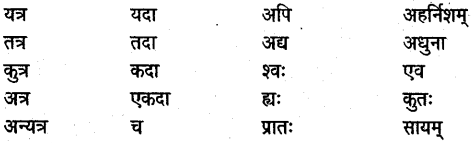
मञ्जूषातः उचितम् अव्ययपदं चित्वा रिक्तस्थानं पूरयत
NCERT Solutions for Class 6 Sanskrit Chapter 11 पुष्पोत्सवः 2
(क) भ्रमणं स्वास्थ्याय भवति।
(ख) ……. सत्यं वद।
(ग) त्वं…..मातुलगृहं गमिष्यसि?
(घ) दिनेशः विद्यालयं गच्छति, अहम् तेन सह गच्छामि।
(ङ) विज्ञानस्य युगः अस्ति।
(च) …….. रविवासरः अस्ति।
उत्तर:
(क) प्रातः
(ख) सर्वदा
(ग) कदा
(घ) अपि
(ङ) अधुना
(च) अद्य

प्रश्नः 3.
अधोलिखितानां प्रश्नानाम् उत्तरं लिखत
(क) शृगालस्य मित्रं कः आसीत्?
(ख) स्थालीतः कः भोजनं न अखादत्?
(ग) बकः शृगालाय भोजने किम् अयच्छत्?
(घ) शृगालस्य स्वभावः कीदृशः भवति?
उत्तर:
(क) शृगालस्य मित्रं बकः आसीत्।
(ख) स्थालीतः बकः भोजनं न अखादत्।
(ग) बकः शृगालाय भोजने क्षीरोदनम् अयच्छत् ।
(घ) शृगालस्य स्वभावः कुटिलः भवति।

प्रश्नः 4.
पाठात् पदानि चित्वा अधोलिखितानां विलोमपदानि लिखत-
यथा-
शत्रुः – मित्रम्
(क) सुखदम् – ……………….
(ख) दुर्व्यवहारः – ……………….
(ग) शत्रुता सायम् – ……………….
(ङ) अप्रसन्नः – ……………….
(च) असमर्थः – ……………….
उत्तर:
(क) दुःखदम्
(ख) सद्व्यवहारः
(ग) मित्रता
(घ) प्रातः
(ङ) प्रसन्नः
(च) समर्थः

प्रश्नः 5.
मञ्जूषातः समुचितपदानि चित्वा कथां पूरयत
NCERT Solutions for Class 6 Sanskrit Chapter 11 पुष्पोत्सवः 3
एकदा एकः काकः ……………(क)…………… आसीत्। सः जलं पातुम् …………..(ख)……………. अभ्रमत्। परं ………..(ग)………… जलं न प्राप्नोत् । अन्ते सः एकं ……………(घ)…………… अपश्यत् । घटे ……………..(ङ)…………. जलम् आसीत्। अतः सः जलम् …………..(च)……………… असमर्थः अभवत्। सः एकम् …………….(छ)………… अचिन्तयत्। सः …………..(ज)………… खण्डानि घटे अक्षिपत्।

एवं क्रमेण घटस्य जलम् …………(झ)……………. आगच्छत्। काकः जलं पीत्वा …………(ण)…………. अभवत् । परिश्रमेण एवं ……………(ट)…………….. सिध्यन्ति न तु ………………(ठ)……………. ।
उत्तर:
(क) पिपासितः
(ख) इतस्ततः
(ग) कुत्रापि
(घ) घटम्
(ङ) स्वल्पम्
(च) पातुम्
(छ) उपायम्
(ज) पाषाणस्य
(झ) उपरि
(ण) सन्तुष्टः
(ट) कार्याणि
(ठ) मनोरथैः

प्रश्नः 6.
तत्समशब्दान् लिखत
यथा-
सियार – शृगालः
(क) कौआ – …………………..
(ख) मक्खी – …………………..
(ग) बन्दर – …………………..
(घ) बगुला – …………………..
(ङ) चोंच – …………………..
(च) नाक – …………………..
उत्तर:
(क) काकः
(ख) मक्षिका
(ग) वानरः
(घ) बकः
(ङ) चञ्चुः
(च) नासिका

NCERT Solutions for Class 6 Sanskrit

Download PDF Formatted UPSC Topper Anu Kumari Study Notes | Tips, Books List, Facts by UPSC IAS Topper Anu Kumari

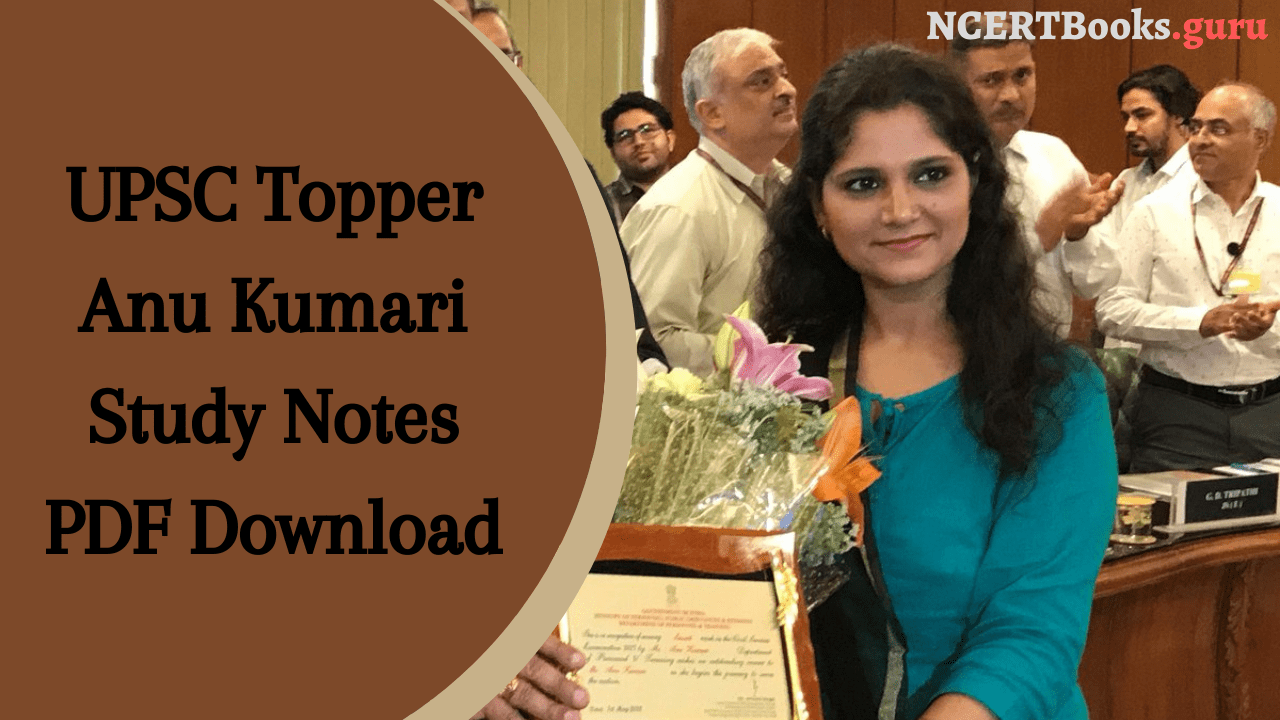
UPSC Topper Anu Kumari Study Notes PDF Download

UPSC Topper Anu Kumari Notes PDF Download: Firstly, you all should know the importance of study notes followed by the UPSC Toppers. Topper’s strategy and its Notes are very crucial in everyone’s preparation plan. So, search for all India IAS Toppers Study Materials and Notes and kickstart your preparation. Today, we have provided All India Second Rank UPSC Topper Anu Kumari Notes for GS 1, 2, 3, 4 in PDF format.

To help all the candidates in their preparation, we even included Anu Kumari UPSC 2017 Topper Book List, Tips, and Some Facts on this page. Go through this article thoroughly and access the links to download Anu Kumari UPSC Topper Notes PDF for better preparation. Get inspired by her and learn more & more until you succeed.

Also Check: List of NCERT Books for IAS UPSC Exams

Download UPSC 2017 Second Ranker Anu Kumari Study Notes Free PDF for General Studies 1, 2, 3, 4

Preparing regularly with these provided Pdf formatted UPSC Topper Anu Kumari Notes will enrich your answers in the prelims and mains exam. By considering the Union Public Service Commission CSE Rank 2 Anu Kunari Study Notes PDFs, you can get a good grip on the subjects covered in the IAS Prelims and Mains and also estimate how to approach the exam actually. Here are the links that you are looking for. So, download the UPSC IAS Topper Anu Kumari Notes of GS 1, 2, 3, 4 in Pdf format and learn at any time & anywhere.

  • General Study Notes 1
  • General Study Notes 2
  • General Study Notes 3
  • General Study Notes 4

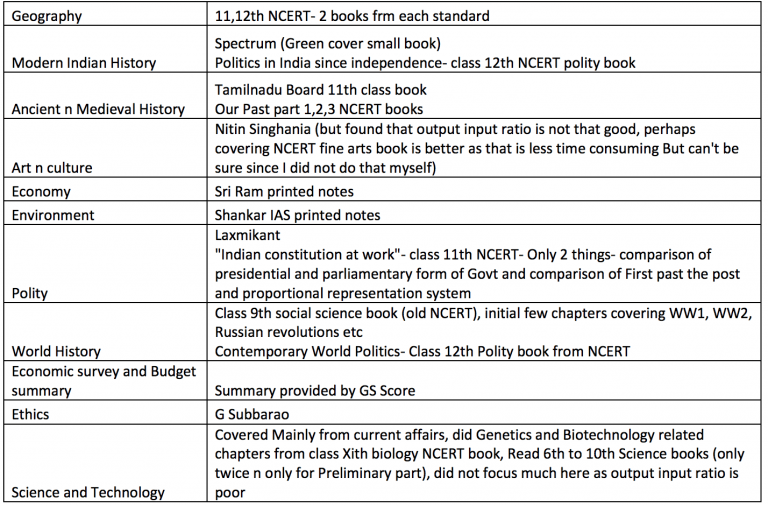
Book List That Topper of UPSC Anu Kumari Followed While Preparation

By following this list of UPSC Books, you can learn the topics so easily and understand the concepts covered in the syllabus of UPSC prelims and mains. So, take a look at the below image before you start your preparation for the IAS exam. IAS Topper Rank 2 Anu Kumari Book List Image

Tips to Enhance Your Answers in Mains by Anu Kumari

Some of the tips to be considered by the candidates who apply for UPSC Exams are as follows:

  • Complete with statistics and current affairs
  • Use names of expert committees to suggest solutions
  • Do Highlight the important matter by underlining
  • Use diagrams to the extent possible
  • Answer on multiple dimensions (social, political, economic, cultural, etc)
  • Use quotes (to the extent possible, even in GS 1,2,3 papers)

Do Refer Some Other UPSC Toppers Study Notes:

Facts of UPSC Topper Anu Kumari

  • Age while clearing the IAS: 31
  • AIR: 2
  • CSE: 2017
  • Attempt: Second
  • Optional Subject: Sociology
  • Education: B.Sc, MBA (DU, IMT)
  • Work Experience: 9 years in the private sector
  • Home State: Haryana

FAQs on UPSC Civil Services Exam Topper Anu Kumari Study Notes PDF Download

1. How many hours did Anu Kumari study?

UPSC 2017 Exam Second Ranker Anu Kumari used to study for 10-12 hours daily.

2. Did Anu Kumari took coaching?

No, she didn’t. She feels that Coaching is not much needed for getting success in the exam. Anu Kumari had relied on self-preparation. So, coaching is not so important every time but from person to person it may change but the only tip you should follow is to have faith in your preparation & knowledge.

3. At what age Anu Kumari became IAS?

Anu Kumari became IAS at the age of 31 by securing the 2nd rank in the Union Public Services Commission (UPSC) Civil Services exam 2017. She is from Haryana’s Sonepat district.

Final Words

We hope the data shared here on UPSC Topper Anu Kumari Notes PDF will help you more during your preparation & planning strategies. Also, you can refer to the Anu Kumari 2nd Rank Topper followed Tips, strategies, and some facts on this page. So, check out this article completely and follow her advice & prepare with the UPSC Topper Study Notes to gain good marks in the Exams.

NCERT Solutions for Class 8 Social Science History Chapter 7 Weavers, Iron Smelters and Factory Owners

Weavers, Iron Smelters and Factory Owners Class 8 Questions and Answers History Chapter 7

History Class 8 Chapter 7 NCERT Textbook Questions and Answers

Question 1.
Imagine you are a textile weaver in late nineteenth-century India. Textiles produced in Indian factories are flooding the market. How would you have adjusted to the situation?
Answer:
Hints :

  • I would had reduced the prices.
  • Opt for more latest designs so that I can get a good sale.
  • Be adjustable to coustomers.

Question 2.
What kinds of cloth had a large market in Europe?
Answer:
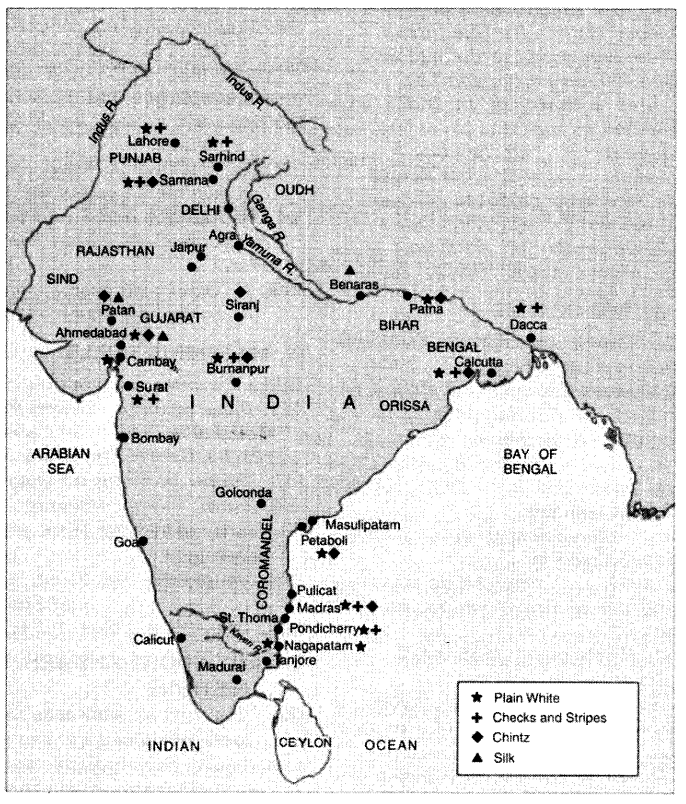
There were a large varieties of cotton and silk clothes in a large market in Europe. Some of such clothes, Cassaes or Khassa, and Bandana which were brightly coloured and printed scarf. There were other clothes that were noted by their place of origion such as Kasim bazar, Patna, Calcutta and Orissa.

Question 3.
What is jamdani?
Answer:
Jamdani is a fine muslim on which decorative motifs were woven on the loom, typically in grey and white.

Question 4.
What is bandanna?
Answer:
Bandanna refers to any brightly coloured and printed scarf for the neck or head.

Question 5.
Who are the Agaria?
Answer:
Agarias are a group of men and women who are carry basket loads of iorn ore.

Question 6.
Fill in the blanks :
1. The word chintz comes from the word ……………. .
2. Tipu’s sword was made of ………….. steel.
3. India’s textile exports declined in the …………….. century.
Answer:
1. Chhint
2. wootz
3. beginning of the nineteenth.

Question 7.
How do the names of different textiles tell us about their histories?
Answer:
The names of different textiles tell us about their histories. European traders first encountered fine cotton cloth from India carried by Arab merchants in Mosul in present-day Iraq. So they began referring to all finely woven textiles as “muslim”- a word that acquired wide currency. When the Portuguese first came to India in search of spices they landed in Calicut on the Kerala coast in south-west India. The cotton textiles which they took back to Europe, along with the spices, came to be called “calico (derived from Calicut), and subsequently calico became the general name for all cotton textiles.

Similarly, Chintz were printed cotton clothes. The term Chintz was derived from the Hindi word chhint, a cloth with small and colourful flowery designs. Bandanna was another name for brightly coloured and printed scarf. The term Bandanna was derived from the word ‘bandhna’ and referred to a variety of brightly coloured cloth produced through a method of tyeing and dyeing.

There were other cloths in the order book that were noted by their place of origin : Kasimbazar, Patna, Calcutta, Orissa, Charpoore. The widespread use of such words shows how popular Indian textiles had become in different parts of the world.

Question 8.
Why did the wool and silk producers in England protest against the import of Indian textiles in the early eighteenth century?
Answer:
By the early eighteenth century, worried by the popularity of Indian textiles, wool and silk makers in England began protesting against the import of Indian cotton textiles. In 1720, the British government enacted a legislation banning the use of printed cotton textiles-chintz-in England. Interestingly, this Act was known as the Calico Act.

At this time textile industries had just begun to develop in England. Unable to compete with Indian textiles, English producers wanted a secure market within the country by preventing the entry of Indians textiles.

Question 9.
How did the development of cotton industries in Britain affect textile producers in India?
Answer:
The development of cotton industries in Britain affected textile producers in India in several ways, First: Indian textiles now had to compete with British textiles in the European and American markets. Second : exporting textiles to England also became increasingly difficult since very high duties were imposed on Indian textiles imported into Britain.

By the beginning of the nineteenth century, English-made cotton textiles successfully ousted Indian goods from their traditional markets in Africa, America and Europe. Thousands of weavers in India were now thrown out of employment. Bengal weavers were the worst hit. English and European companies stopped buying Indian goods and their agents no longer gave out advances to weavers to secure supplies. Distressed weavers wrote petitions to the government to help them.

But worse was still to come. By the 1830 British cotton cloth flooded Indian markets. In fact, by the 1880s two-thirds of all the cotton clothes worn by Indian were made of cloth produced in Britain. This affected not only specialist weavers but also spinners. Thousands of rural women who made a living by spinning cotton thread were rendered jobless.

Question 10.
Why did the Indian iron smelting industry decline in the nineteenth century.
Answer:
By the late nineteenth century, however, the craft of iron smelting was in decline. In most villages, furnances fell into disuse and the amount of iron produced camedown.

One reason was the new forest laws. When the colonial government prevented people from entering the reserved forests, the iron smelted could not find wood for charcoal. Defying forest laws, they often entered the forests secretly and collected wood, but they could not sustain their occupation on the basis for long. Many gave their craft and looked for other means of livelihood.

In some areas the government did grant access to the forest. But the iron smelters had to pay a very high tax to the forest department for every furnace they used. This reduced their income.

Moreover, by the late nineteenth century iron and steel was being imported from Britain. Ironsmiths in India began using the imported iron to manufacuture utensils and implements. This inevitably lowered the demand for iron produced by local smelters.

Question 11.
What problems did the Indian textile industry face in the early years of its development?
Answer:
In the first few decades of its existence, the textile factory industry in India faced many problems. It found it difficult to compete with the cheap textiles imported from Britain. In most countries, governments supported industrialisation by imposing heavy duties on imports. This eliminated competition and protected infant industries. The colonial government in India usually refused such protection to local industries. The first major spurt in the development of cotton factory production in India, therefore, was during the First World War when textile imports from Britain declined and Indian factories were called upon to produce cloth for military supplies.

Question 12.
What helped TISCO expand steel production during the First World War?
Answer:
In 1914 the First World War broke out. Steel produced in Britain now had to meet the demands of war in Europe. So imports of British steel into India declined dramatically and the Indian Railways turned to TISCO for supply of rails. As the war dragged on for several years, TISCO had to produce shells and carriage wheels for the war. By 1919 the colonial government was buying 90% of the steel manufactured by TISCO. Over time TISCO became the biggest steel industry within the British empire.

Question 13.
Find out about the history of any craft around the area you live. You may wish to know about the community of craftsmen, the changes in the techniques they use and the markets they supply. How have these changed in the past 50 years?
Answer:

  • I found out about the history of carpets around my area.
  • The origin of carpet weaving in our area is very ancient. This can be traced back to the Buddhist and Mauryan times.
  • The carpet weaving craft is practiced by Mushhar and shepherds which are semi-nomadic.
  • The generally traditional and strong influence of Tibetan and Persian Art is seen in the designs. The images of Hindus Gods and deities, natural scenarios of the hills and geometrical motifs, etc. are included.
  • The techniques of weaving have been changed to a great extent. Now electrical appliances are also used in this process. Its market has also expanded over time.
  • However, due to the spread of education, many people have shifted to other jobs. Currently, many women from other communities have also taken to carpet weaving. Thus, it is expanding in our area.

Question 14.
On a map of India, locate the centres of different craft today. Find out when these centres came up?
Answer:
Most of the centres are very old; some way in the late eighteenth and early nineteenth centuries.
NCERT Solutions for Class 8 Social Science History Chapter 7 Weavers, Iron Smelters and Factory Owners 1

Activities

Activity 1
Why do you think the Act was called the Calico Act? What does the name tell us about the kind of textiles the Act wanted to ban?
Answer:
In 1720, the British government enacted a legislation banning the use of printed use of cotton textiles-Chintz-in England. This Act was called the Calico Act. Chintz is derived from the Hindi word chhint, a cloth with small and colourful designs. The Act wanted to ban cotton textiles produced in India.

Activity 2
Read sources 1 and 2. What reasons do the petition writers give for their condition of starvation?
Answer:
In source I the weaver received advances for the company to maintan themselves before but due to the abolishment of aurangs, they are distressed and have no means of livelihood. They are starving and cannot do any other business.

In source 2, a widower and her family are on the verge of collapse. The weavers do not come to their home for buying yarn and of the yarn is sent to the market, it is sold at one fourth the old price. It is due to imported yarn the market of Indian yarn has suffered.

Activity 3
Why would the iron and steel making industry be affected by the defeat of the nawabs and rajas?
Answer:
After the death of nawabs and rajas the swords and armour making industry died with the conquent of the British in their territories. Iron and steel was imported from England which displaced the iron and steel produced by craftsmen in India. This led to collapse of iron and steel industry in India.

NCERT Solutions for Class 8 Social Science