NCERT Solutions for Class 10 Social Science History Chapter 8 Novels, Society and History

NCERT Solutions for Class 10 Social Science History Chapter 8 Novels, Society and History

Text Book Questions

Question 1.
Explain the following:
(a) Social changes in Britain which led to an increase in women readers.
(b) What actions of Robinson Crusoe make us see him as a typical colonizer.
(c) After 1740, the readership of novels began to include poorer people.
(d) Novelists in colonial India wrote for a political cause.
Answer:
(a) As the eighteenth century led to prosperity, women got more time and more leisure to read and write novels. Numerous novels began depicting domestic life.

(b) Robinson Crusoe, the hero of Daniel Defoe is a slave trader who treats coloured people as inferior creators. This makes us believe that he was a typical colonizer.

(c) As the prices of books came down without minimizing the innovation, the access to books became easier. The poor could now afford buying books.

(d) Novelists in India, had a political objective. They wrote novels to produce a sense of national belonging and cultural equality. It was only because of such writings that they were able” to
increase their readership.

Question 2.
Outline the changes in technology and society which led to an increase in readers of the novel in eighteenth-century Europe.
Answer:
The invention of the printing press, development of the means of communication and transport, growth of the middle classes and relative increase in the number of the poor had an increase in the readership. Numerous novelists began writing about the middle classes, the poor and their social problems. The printing press made it easy for the novelists to write novels.

Question 3.
Write a note on:
(a) The Oriya novel
(b) Jane Austen’s portrayal of women.
(c) The picture of the new middle class which the noval Pariksha-Guru portrays.
Answer:
(a) The Oriya novel, such as Chaa Mana Atha Guntha depicted the rural misery, greed for land and the landlordism. It was a painful narration of a system existing in Orissa.

(b) Jane Austen in her novel Pride and Prejudice wrote about women’s flight, life of a women in men’s life: man must have a wife; woman is his necessity.

(c) Srinivas Das’s Pariksha Guru is about the new middle class who seek to adopt themselves in the colonial system.

Discuss

Question 1.
Discuss some of the social changes in nineteenth-century Britain which Thomas Hardy and Charles Dickens wrote about.
Answer:
Thomas Hardy and Charles Dickens were renouned English novalists. Hardy (1940-1928) and Charles Dickin (1812-1870) wrote about the social changes in the 19th century Britain. In his Hard Times, Dickens pointed about the terrible effects of the industrialisation on the life of the people.

Hardy’s novels Far From the Madding Crowd, Tess, Return of the Natives, The Mayor of Casterbridge, wrote about the advantages of the simple life. He says that if the people wanted peace, they need to be honest, decent and faithful.

Question 2.
Summarise the concern in both nineteenth-century Europe and India about women reading novels. What does this suggest about how women were viewed?
Answer:
There is a concern which one finds both in 19th century Europe and India: The concern is about women: Women’s life is made the theme of novels; their character is focussed as one that make the novel readers around. This makes women read about what novels. We find women readership increasing novel after, novel. This is evident from either Hardy’s Tess or Premchand’s Nirmala. All this suggest that women’s character and their Problems are made theme of the novels.

Question 3.
In what ways was the novel in colonial India useful for both the colonizers as well as the nationalists?
Answer:
Novels have proved useful for both the colonizers as well as for the nationalists. They give information about life, living, social developments, economic conditions and the culture of the people by the novelists. All these informations are used by the colonissers who deal with the colonial people accordingly. These informations are used by the nationalists as well. These novel, relate to the nationalists as to how they could organise people and also know their economic and serial life on the basis of which they formulate their programme.

Question 4.
Describe how the issue of caste was included in novels in India. By referring to any two novels, discuss the ways in which”they tried to make readers think about existing social issues.
Answer:
Novelists write about societies. Their plot comes from the society they write about their problems are social about which they write. Some novelists make issue of caste as the theme of their novels. Chander Menon in his Indulekhar and Poth Kurijambu in his Saraswathi Jayan take up the problem of caste system as the theme of their novels Such novels make a deep impact on the include of the readers about their social system.

Question 5.
Describe the ways in which the novel in India attempted to create a sense of pan-Indian belonging.
Answer:
Novelists areas related to the soils as are other people. They are as sensitive as are others. The developments around them also have i an impact on their minds and also on their writing. The novelists of the first half of the twentieth century India were deeply influenced by the waves of liberation struggle. In the novels written during this period, there is a sense of pan- Indian belonging. Novels are about social, political and economic life; about people belonging to all types of classes together with their problems.

Project Work

Imagine that you are a historian in 3035 AD. You have just located two novels which were written in the twentieth century. What do they tell you about society and customs of the time?
Answer:
Students to do this question with the help of their teachers

These Solutions are part of NCERT Solutions for Class 10 Social Science. Here we have given NCERT Solutions for Class 10 Social Science History Chapter 8 Novels, Society and History.
NCERT Solutions for Class 7 Sanskrit Chapter 11 समवायो हि दुर्जयः

We have given detailed NCERT Solutions for Class 7 Sanskrit Ruchira Chapter 11 समवायो हि दुर्जयः Questions and Answers will cover all exercises given at the end of the chapter.

NCERT Solutions for Class 7 Sanskrit Ruchira Chapter 11 समवायो हि दुर्जयः

अभ्यास के प्ररनौं के उत्तर

प्रश्न 1.
प्रश्नानाम् उत्तराणि एकपदेन लिखत

(क) वृक्षे का प्रतिवसति स्म ?
उत्तर
चटका

(ख) वृक्षस्य अधः कः आगतः ?
उत्तर
गजः

(ग) गजः केन शाखाम् अत्रोटयत् ?
उत्तर
शुण्डेन

(घ) काष्ठकूट: चटकां कस्याः समीपम् अनयत् ?
उत्तर
मक्षिकायाः

(ङ) मक्षिकायाः मित्रं कः आसीत् ?
उत्तर
मण्डूक:

प्रश्न 2.
रेखाड्कितानि पदानि आधृत्य प्रश्ननिर्माणं कुरुत
(क) कालेन चटकायाः सन्ततिः जाता।
(ख) चटकायाः नीडं भुवि अपतत्।
(ग) गजस्य वधेनैव मम दुःखम् अपसरेत्।
(घ) काष्ठकूटः चञ्वा गजस्य नयने स्फोटयिष्यति।
उत्तर
(प्रश्ननिर्माणम्)
(क) कालेन कस्याः सन्ततिः जाता ?
(ख) चटकायाः किं भुवि अपतत् ?
(ग) कस्य वधेनैव मम दुःखम् अपसरेत् ?
(घ) काष्ठकूट: केन गजस्य नयने स्फोटयिष्यति ?

प्रश्न 3.
मञ्जूषातः क्रियापदानि चित्वा रिक्तस्थानानि पूरयत
करिष्यामि, गमिष्यति, अनयत्, पतिष्यति, स्फोटयिष्यति, त्रोटयति।
(क) काष्ठकूटः चञ्च्वा गजस्य नयने …….
(ख) मार्गे स्थितः अहमपि शब्दं …………..
(ग) तृषार्तः गजः जलाशयं………….
(घ) गजः गर्ते ………………
(ङ) काष्ठकूटः तां मक्षिकायाः समीपम् …….
(च) गजः शुण्डेन वृक्षशाखाः ……………
उत्तर
(क) काष्ठकूट: चञ्च्वा गजस्य नयने स्फोटयिष्यति ।
(ख) मार्गे स्थितः अहमपि शब्दं करिष्यामि ।
(ग) तृषार्तः गजः जलाशयं गमिष्यति ।
(घ) गजः गर्ते पतिष्यति ।
(ङ) काष्ठकूटः तां मक्षिकायाः समीपम् अनयत् ।
(च) गजः शुण्डेन वृक्षशाखाः त्रोटयति ।

प्रश्न 4.
प्रश्नानाम् उत्तराणि एकवाक्येन लिखत
(क) चटकायाः विलापं श्रुत्वा काष्ठकूटः तां किम् अपृच्छत् ?
उत्तर
स: अपृच्छत्-“भद्रे किमर्थं विलपसि ?

(ख) चटकायाः काष्ठकूटस्य च वार्ता श्रुत्वा मक्षिका किम् अवदत् ?
उत्तर
मक्षिका अवदत्-“ममापि मित्रं मण्डूकः मेघनादः अस्ति, शीघ्रं तम् उपेत्य यथोचितं करिष्यामः।”

(ग) मेघनादः मक्षिकां किम् अवदत् ?
उत्तर
मेघनादः अवदत्-“यथाहं कथयामि तथा कुरुतम्।”

(घ) चटका काष्ठकूटं किम् अवदत् ?
उत्तर
चटका अवदत्-“एकेन दुष्टेन गजेन मम सन्तति: नाशिताः।”

प्रश्न 5.
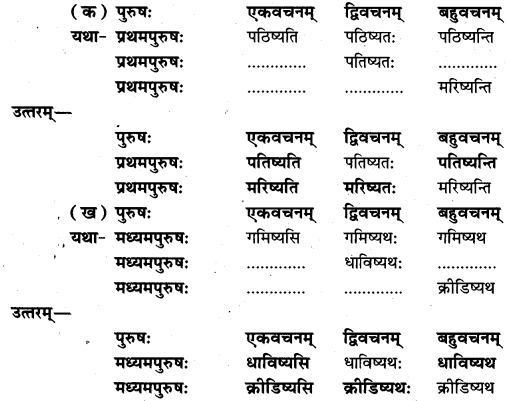
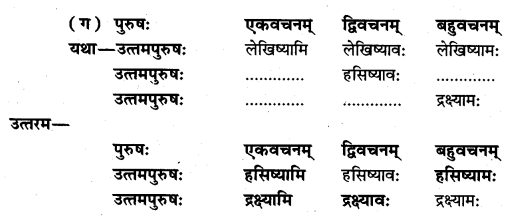
उदाहरणमनुसृत्य रिक्तस्थानानि पूरयत
NCERT Solutions for Class 7 Sanskrit Chapter 11 समवायो हि दुर्जयः 1
NCERT Solutions for Class 7 Sanskrit Chapter 11 समवायो हि दुर्जयः 2
प्रश्न 6.
उदाहरणानुसारं ‘स्म’ शब्दं योजयित्वा भूतकालिकक्रियां रचयत
यथा अवसत् – वसति स्म।
अपठत् – ………….।
अत्रोटयत् – ………….।
अपतत् – ………….।
अपृच्छत् – ………….।
अवदत् – ………….।
अनयत् – ………….।
उत्तर
अपठत् – पठति स्म।
अत्रोटयत् – त्रोटयति स्म।
अपतत् – पतति स्म।
अपृच्छत् – पृच्छति स्म।
अवदत् – वदति स्म।
अनयत् – नयति स्म।

प्रश्न 7.
(क) ………… बालिका मधुरं गायति। (एकम्, एका, एक:)
(ख) ………… कृषकाः कृषिकर्माणि कुर्वन्ति। (चत्वारः, चतस्रः, चत्वारि)
(ग) ………………… पत्राणि सुन्दराणि सन्ति। (ते, ताः, तानि)
(घ) धेनवः दुग्धं …………… । (ददाति, ददति, ददन्ति)
(ङ) वयं संस्कृतम् …………. (अपठत्, अपठन्, अपठाम)
उत्तर
(क) एका बालिका मधुरं गायति। (एकम्, एका, एकः)
(ख) चत्वारः कृषकाः कृषिकर्माणि कुर्वन्ति । (चत्वारः, चतस्रः, चत्वारि)
(ग) तानि पत्राणि सुन्दराणि सन्ति। (ते, ताः, तानि)
(घ) धेनवः दुग्धं ददति। (ददाति, ददति, ददन्ति)
(ङ) वयं संस्कृतम् अपठाम। (अपठत्, अपठन्, अपठाम)

बहुविकल्पी प्रश्न

(i) वृक्ष का प्रतिवसति स्म ?
(A) चटका
(B) महिला
(C) बालिका
(D) कोकिला।
उत्तर
(A) चटका

(ii) वृक्षस्य अधः कः आगतः ?
(A) भल्लूक:
(B) गर्दभः
(C) गजः
(D) सिंहः।
उत्तर
(C) गजः

(iii) गजः केन शाखाम् अत्रोटयत् ?
(A) पादेन
(B) शुण्डेन
(C) कर्णेन
(D) दन्तेन।
उत्तर
(B) शुण्डेन

(iv) काष्ठकूटः चटकां कस्याः समीपम् अनयत् ?
(A) न्यायाधीशस्य
(B) काष्ठकूटस्य
(C) काकस्य
(D) मक्षिकायाः।
उत्तर
(D) मक्षिकायाः।

(v) मक्षिकायाः मित्रं कः आसीत् ?
(A) मण्डूकः
(B) काकः
(C) काष्ठकूटः
(D) गर्दभः
उत्तर
(A) मण्डूकः

(vi) चटकायाः नीडं कुत्र अपतत् ?
(A) भुवि
(B) आकाशे
(C) प्रासादे
(D) राजभवने।
उत्तर
(A) भुवि

(vii) काष्ठकूट: केन गजस्य नयने स्फोटयिष्यति ?
(A) पादेन
(B) पक्षण
(C) चञ्च्वा
(D) पत्रेण।
उत्तर
(C) चञ्च्वा

(viii) कालेन कस्याः सन्ततिः जाता ?
(A) काष्ठकूटस्य
(B) चटकायाः
(C) काकस्य
(D) मण्डूकस्य।
उत्तर
(B) चटकायाः

Class 7 Sanskrit Chapter 11 समवायो हि दुर्जयः Summary Translation in Hindi

1. पुरा एकस्मिन् वृक्षे एका चटका प्रतिवसति स्म। कालेन तस्याः सन्ततिः जाता। एकदा कश्चित् प्रमत्तः गजःतस्य वृक्षस्य अधः आगत्य तस्य शाखां शुण्डेन अत्रोटयत्। चटकायाः नीडं भुवि अपतत्। तेन अण्डानि विशीर्णानि।अथ सा चटका व्यलपत्। तस्याः विलापं श्रुत्वा काष्ठकूटः नाम खगः दुःखेन ताम् अपृच्छत्-“भद्रे, किमर्थं विलपसि ?” इति।

शब्दार्थाः-
पुरा = पहले, पुराने समय में।
प्रतिवसति स्म = रहती थी।
कालेन = समय पर।
सन्ततिः = सन्तान।
प्रमत्तः = मतवाला, मदमस्त।
अधः = नीचे।
आगत्य = आकर।
शुण्डेन = सूंड से।
अत्रोटयत् = तोड़ दिया।
नीडम् = घोंसला।
भुवि = धरती पर/भूमि पर।
अपतत् = गिर गया।
विशीर्णानि = नष्ट हो गए।
व्यलपत् (वि + अलपत्) = विलाप करने लगी/रोने लगी।
विलपसि = रो रही हो/विलाप कर रही हो।

सरलार्थः- पुराने समय में एक वृक्ष पर एक चिड़िया रहती थी। समय पर उसकी सन्तान हुई। एक बार किसी मतवाले हाथी ने उस वृक्ष के नीचे आकर उसकी शाखा को सूंड से तोड़ दिया। चिड़िया का घोंसला भूमि पर गिर गया। उससे अंडे टूट गए। अब वह चिड़िया रोने लगी। उसका विलाप सुनकर काष्ठकूट नाम के पक्षी ने दुःखपूर्वक उससे पूछा-“भली चिड़िया, क्यों रो रही हो ?”

2. चटकावदत्-“दुष्टेनैकेन गजेन मम सन्ततिः नाशिता। तस्य गजस्य वधेनैव मम दुःखम् अपसरेत्।” ततः काष्ठकूटः तां वीणारवा-नाम्न्याः मक्षिकायाः समीपम् अनयत् । तयोः वार्ता श्रुत्वा मक्षिकावदत्-“ममापि मित्रं मण्डूकः मेघनादः अस्ति। शीघं तमुपेत्य यथोचितं करिष्यामः।” तदानीं तौ मक्षिकया सह गत्वा मेघनादस्य पुरः सर्वं वृत्तान्तं न्यवेदयताम्।

शब्दार्थाः-
वधेनैव (वधेन + एव) = वध से ही।
अपसरेत् = दूर होगा।
वीणारवा = नाम्न्याः
मक्षिकायाः = वीणारवा नाम की मक्खी के।
तमुपेत्य (तम् + उपेत्य) = उसके पास जाकर ।
यथोचितम् = जो, उचित हो।
तदानीम् = तब।
न्यवेदयताम् = (उन दोनों ने) निवेदन किया।

सरलार्थ:-चिड़िया बोली-“एक दुष्ट हाथी ने मेरी सन्तान नष्ट कर दी। उस हाथी के वध से ही मेरा दुःख दूर होगा।” उसके बाद काष्ठकूट उस (चिड़िया) को वीणारवा नाम वाली मक्खी के पास ले गया। उन दोनों की बातचीत सुनकर मक्खी ने कहा-“मेरा भी मेघनाद नाम वाला एक मेंढक मित्र है। जल्दी ही उसके पास जाकर जो उचित होगा वही करेंगे।” तब उन दोनों ने मक्खी के पास जाकर मेघनाद के सामने सारा समाचार कह दिया।

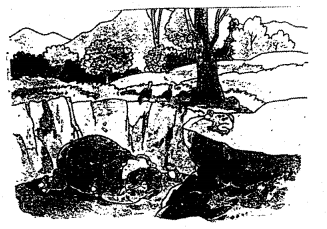
3. मेघनादः अवदत्-“यथाहं कथयामि तथा कुरुतम्। मक्षिके ! प्रथमं त्वं मध्याह्ने तस्य गजस्य कर्णे शब्दं कुरु, येन सः नयने निमील्य स्थास्यति। तदा काष्ठकूटः चञ्च्या तस्य नयने स्फोटयिष्यति। एवं सः गजः अन्धः भविष्यति। तृषार्तः सः जलाशयं गमिष्यति। मार्गे महान् गतः अस्ति। तस्य अन्तिके अहं स्थास्यामि शब्दं च करिष्यामि। मम शब्देन तं गत जलाशयं मत्वा स तस्मिन्नेव गते पतिष्यति

NCERT Solutions for Class 7 Sanskrit Chapter 11 समवायो हि दुर्जयः 3

मरिष्यति च।” अथ तथाकृते सः गज: मध्याह्न मण्डूकस्य शब्दम् अनुसृत्य महतः गर्तस्य अन्तः पतितः मृतः च। तथा चोक्तम् ‘बहूनामप्यसाराणां समवायो हि दुर्जयः। देसी

शब्दार्था:-
मध्याह्ने = दोपहर में।
निमील्य = बन्द करके।
स्थास्यति = रुक जाएगा।
स्फोटयिष्यति = फोड़ देगा।
तृषार्तः (तषा + आतः) = प्यास से पीड़ित।

सरलार्थ:-मेघनाद ने कहा-“जैसा मैं कहता हूँ वैसा तुम दोनों करो। हे मक्खी, पहले तुम दोपहर के समय उस हाथी के कान में शब्द करना (भिनभिनाना) जिससे वह दोनों आँखें बंद करके रुक जाएगा। तब काष्ठकूट चोंच से उसकी दोनों आँखें फोड़ देगा। इस प्रकार वह अन्धा हो जाएगा। प्यास से पीड़ित वह (हाथी) तालाब पर जाएगा। रास्ते में बड़ा गड्ढा है। उस (गड्ढे) के पास मैं रुक जाऊँगा और शब्द (टर टर) करूंगा।

मेरी आवाज से उस गड्ढे को तालाब समझकर वह (हाथी) उस गड्ढे में गिर जाएगा और मर जाएगा।” इसके बाद वैसा करने पर वह हाथी दोपहर में मेंढक की आवाज़ का अनुसरण करके बड़े गड्ढे के अन्दर गिर गया और मर गया। और कहा भी गया है ‘अनेक निर्बलों का संगठन कठिनता से जीतने योग्य होता | है।’ अर्थात् संगठन में ही शक्ति होती है।

Distance and Midpoint Calculator

User-friendly geometry tool Distance and Midpoint Calculator determines the distance and midpoint for given coordinates effortlessly. You just need to input the coordinate values to get the distance and midpoint in no time.

<form>

Distance and Midpoint Calculator: Finding the distance and midpoint between two points becomes quite easy with our advanced distance and midpoint calculator. Continue reading the article to know about the formulas for distance and midpoint between two points. Apart from that, you will find step by step explanation detailing how to find the distance and midpoint between two points. Use this handy tool to make all your calculations accurate and quick.

What is distance & Midpoint?

Distance: The distance between two points is usually the length of the line segment connecting them. Remember, the distance between the two points is always positive.

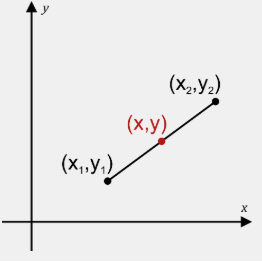
Midpoint: In Maths, the midpoint is defined as the middle point of the line segment. It is equidistant from both the endpoints of the line segment. In fact, it is halfway for the line segment and in other words, it can be referred to as the point that divides a line segment into two equal segments.

How to find Distance and Midpoint between two points?

The Procedure to evaluate distance and midpoint between two points manually is given below. For the sake of your convenience, we have listed the formulas to evaluate the distance and midpoint for the given coordinates. Use them and make your calculations easy.

Distance between two points

Let the two points (x₁, y₁) and (x₂, y₂) are the coordinates of the endpoints of the hypotenuse. The distance between the two points calculation formula is similar to the right triangle rule, where the squared hypotenuse is equal to the sum of the squares of the other two sides. Formula to find the distance between two points is given by

Midpoint

Midpoint is simply the average of each coordinate of the section forming a new coordinate point.

Let the Coordinates be (X1, Y1) and (X2, Y2), and in order to find midpoint simply add the values in the Parentheses and divide each result by 2.

Formula to obtain the midpoint is given as

(X, Y) = [(X1 + X2)/2, (Y1 + Y2)/2]

where X1, X2 are the coordinates of X-Axis and Y1, Y2 are the coordinates of Y-Axis.

Perform and understand mathematical calculations in seconds taking the help of online tools provided for several concepts  at onlinecalculator.guru

FAQs on Distance and Midpoint

1.  What is the formula to find Midpoint between two points?

Formula to find Midpoint between two points is (X, Y) = [(X1 + X2)/2, (Y1 + Y2)/2]

2. What is the formula to calculate the distance between two points?

Formula to Calculate distance between two points is given by

3. How to find distance and midpoint easily?

You can find distance and midpoint easily taking the help of our Distance and Midpoint Calculator.

4. Where do I get the complete procedure on how to evaluate distance and midpoint between two points?

You can get the complete procedure on how to evaluate distance and midpoint between two points on our page.


Detailed Steps URL

H1 – Finding Distance and Midpoint for Coordinates (4,12) and (3,5)

H2 – Step by Step Solution to find distance and midpoint of Coordinates (4,12) and (3,5)

Internal Link Text – Free Online Distance and Midpoint Calculator to calculate distance and midpoint of the Coordinates (4,12) and (3,5) i.e. 7.07107 and (3.5, 8.5) with an elaborate explanation.

Frequently Asked Questions

1. How to Calculate the distance and midpoint of (4,12) and (3,5) easily?

You can calculate the distance and midpoint of (4,12) and (3,5) by placing the given inputs in their respective formulas provided above.

2. What is the distance between two points (4,12) and (3,5)?

Distance between the two points (4,12) and (3,5) is 7.07107

3. What is the midpoint of (4,12) and (3,5)?

The midpoint of (4,12) and (3,5) is (3.5, 8.5).

SEO Title:  Distance and Midpoint Calculator to find distance, midpoint of (4,12) & (3,5)

Meta Description: Distance and Midpoint Calculator evaluates the distance and midpoints between two points (4,12) & (3,5) i.e. 7.07107 and (3.5, 8.5) effortlessly in no time.

NCERT Solutions for Class 9 Sanskrit Shemushi Chapter 10 जटायोः शौर्यम्

We have given detailed NCERT Solutions for Class 9 Sanskrit Shemushi Chapter 10 जटायोः शौर्यम् Questions and Answers will cover all exercises given at the end of the chapter.

Shemushi Sanskrit Class 9 Solutions Chapter 10 जटायोः शौर्यम्

अभ्यासः

प्रश्न 1.
अधोलिखतानां प्रश्नानाम् उत्तराणि संस्कृतभाषया लिखत –

(क) “जटायो! पश्य” इति का वदति?
उत्तर:
“जटायो! पश्य” इति वैदेही वदति?

(ख) जटायुः रावणं कि कथयति?
उत्तर:
“रावण! परदाराभिमर्शनात् नीचां मति निवर्तय” इति।

(ग) क्रोधवशात् रावणः किं कर्तुम् उद्यमः अभवत्?
उत्तर:
क्रोधोन्मत्त रावणः जटायु तलेन अभिजधान।

(घ) पतगेश्वरः रावणस्य कीदृशं चापं सशरं बभञ्ज?
उत्तर:
पतगेश्वर : रावणस्य मुक्तामणि विभूषितं सशरं चापं बभज।

(ङ) हताश्वो हतसारथिः रावणः कुत्र अपत्त?
उत्तर:
हताश्वो हतसारथिः रावणः भुवि अपतत्।

प्रश्न 2.
उदाहरणमनुसृत्य णिनि-प्रत्ययप्रयोगं कृत्वा पदानि रचयत
यथा –
गुण + णिनि = गुणिन् (गुणी)
दान + णिनि = दानिन् (दानी)

(क) कवच + णिनि = …………
(ख) शर + णिनि = ………….
(ग) कुशल – णिनि = …………..
(घ) धन + णिनि = …………..
(ङ) दण्ड + णिनि = …………
उत्तर:
(क) कवच + णिनि = कवचिन् (कवची)
(ख) शर + णिनि = शरिन् (शरी)
(ग) कुशल + णिनि = कुशलिन् (कुशली)
(घ) धन + णिनि = धनिन् (धनी)
(ङ) दण्ड + णिनि = दण्डिन् (दण्डी)

प्रश्न 3.
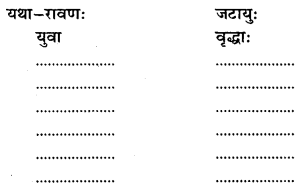
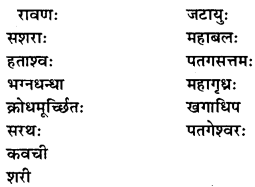
रावणस्य जटायोश्च विशेषणानि सम्मिलितरूपेण लिखितानि तानि पृथक-पृथक् कृत्वा लिखित –
युवा, सशरः, वृद्धः, हताश्वः, महाबलः, पतगसत्तमः, भग्नधन्वा,महागृध्रः, खगाधिपः, क्रोधमूछितः, पतगेश्वरः, सरथः, कवची, शरी

NCERT Solutions for Class 9 Sanskrit Shemushi Chapter 10 जटायोः शौर्यम् 1
उत्तर:
NCERT Solutions for Class 9 Sanskrit Shemushi Chapter 10 जटायोः शौर्यम् 2

प्रश्न 4.
सन्धिं/सन्धिविच्छेदं वा कुरुत –
यथा – च + आदय = चादाय

(क) हत + अश्व : = ………….
(ख) तुण्डेन + अस्य = …………
(ग) ……….. + ……. = बभजास्य
(घ) ……….. + ………… = अकेनादाय
(ङ) ……….. + ………… = खगाधिपः
उत्तर:
(क) हत + अश्व: = हताश्वः
(ख) तुण्डेन + अस्य = तुण्डेनास्य
(ग) बभज + अस्य = बभजास्य
(घ) अङ्केन + अस्य = अङ्केनादाय
(ङ) श्वग + अस्य = खगाधिपः

प्रश्न 5.
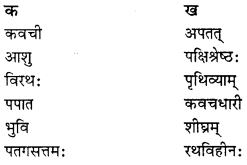
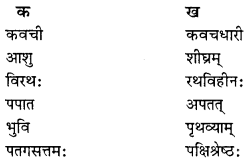
‘क’ स्तम्भे लिखितानां पदानां पर्यायाः ‘ख’ स्तम्भे लिखिताः। तान् यथासमक्षं योजयत –

NCERT Solutions for Class 9 Sanskrit Shemushi Chapter 10 जटायोः शौर्यम् 3
उत्तर:
NCERT Solutions for Class 9 Sanskrit Shemushi Chapter 10 जटायोः शौर्यम् 4

प्रश्न 6.
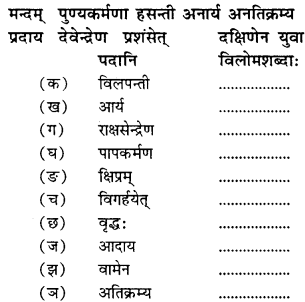
अधोलिखितानां पदानां/विलोमपदानि मञ्जूषायां दत्तेषु चित्वा यथासमक्षं लिखत –

NCERT Solutions for Class 9 Sanskrit Shemushi Chapter 10 जटायोः शौर्यम् 5
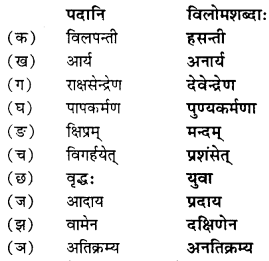
उत्तर:
NCERT Solutions for Class 9 Sanskrit Shemushi Chapter 10 जटायोः शौर्यम् 6

प्रश्न 7.
(क) अधोलिखितानि विशेषणपदानि प्रयुज्य संस्कृतवाक्यानि रचयत –

  1. शुभाम् ………..
  2. हतसारथिः ………….
  3. कवची …………
  4. खगाधिपः ………….
  5. वामेन …………

उत्तर:

  1. शुभाम् रावणः शुभां सीतां अपहृतवान्।
  2. हतसारथिः हतसारथि: रावणः भुवि अपतत्।
  3. कवची युद्धे कवची सैनिक: निश्शङ्क बुद्धते।
  4. खगाधिपः खगाधिप जटायुः वीरगति प्राप्तः।
  5. वामेन कदापि वामेन मार्गेण न गन्तव्यम्।

(ख) उदाहरणमनसत्य समस्तं पदं रचयत –
यथा-त्रयाणां लोकानां समाहारः – त्रिलोकी

  1. पञ्चाना वटानां समाहारः – …………..
  2. सप्ताना पदानां समाहारः – ……………
  3. अष्टानां भुजानां समाहारः – …………
  4. चतुर्णा मुखाना समाहारः – …………..

उत्तर:

  1. पञ्चानां बटानां समाहारः – पञ्चवटी
  2. सप्तानां पदानां समाहारः – सप्तपदी
  3. अष्टानां भुजानां समाहारः – अष्टभुजी
  4. चतुर्णा मुखानां समाहारः – चर्तुमुखी

व्याकरणात्मकः बोधः

1. (क) जटायो: –

जटायु’ शब्द, सम्बोधन. एकवचनः हे जटायु!
पापकर्मणा – पाप + कर्मन् शब्द, तृतीया विभक्ति. एकवचन। पापमय कर्म के द्वारा।
पर्वत शृङ्गामः – पर्वतस्य शृङ्ग इव (सदृशः), प्रथमा विभक्ति, एकवचन।
पर्वतीय शिखर के समान जो
तीक्ष्णतुण्डः – तीक्ष्णं तुण्डं (मुखं, चञ्चु) यस्य सः। प्रथमा विभक्ति, एकवचन। अत्यन्त कठोर चोंच वाला।
खतोत्तमः – खगाना उत्तमः। पक्षियों में श्रेष्ठ। वनस्पतिगतः-वनस्पतगतः। वन समूह में स्थित।
परः – अन्य। दूसरा।

युवा – युवन् शब्द, प्रथमा विभक्ति, एकवचन। जवान।
सशरम् – शरण सहितम् (बाण सहित)
चापम् – धनुः। (धनुष को) द्वितीया विभक्ति, एकवचन।
विस्थ: – विगतः रथ: यस्य सः। रथ से रहित।
संपरिष्वज्य – सम् + परि + स्वज् : ल्यप्। (अच्छी तरह से लिपटाकर)
तलेन – जमीन से। तृतीया विभक्ति, एकवचन।

(ख) ददर्श –

दृश धातु, लिट्लकार, प्रथम पुरुष्क्षद् एकवचन। देखा।
शुश्रवे – श्रु धातु, (कर्मवाच्य), लिट्लकार, प्रथम पुरुष एकवचन। सुना।
व्याजहार – वि + आ + हु धातु. लिट्लकार. प्रथम पुरुष, एकवचन। कहा।
विगर्हयेत् – वि + गई + णिच + विधिलिङ्ग, प्रथम पुरुष, एकवचन। (निन्दा करे)
बभञ्ज – भञ्ज धातु, लिट्लकार, प्रथम पुरुष, एकवचन। (तोड़ दिया)
पपात – पतृ धातु, लिट्लकार, प्रथम पुरुष, एकवचन। (गिर पड़ा)
अभिजघान – अभि + हन् + लिट्लकार, प्रथम पुरुष, एकवचन। (मारा)
व्यापाहरत् – वि + अप + आ + ह धातु, लङ्लकार, प्रथम पुरुष, एकवचन। (उखाड़ दिया)

2. संधि कार्यम् –

(दीर्घ संधिः) –
जब भी ‘अ’ कार ‘इ’ कार तथा ‘उ’ कार व ‘ऋ’ कार अर्थात् अ, (आ) इ (ई) उ (ऊ) ऋ (क) के सामने तत् सदृश स्वर ही आता है तो

  • अ (आ) + अ (आ) = आ (दीर्घ) हो जाता है
  • इ (ई) + इ (ई) – ई (दीर्घ) हो जाता है
  • उ (ऊ) + उ (ऊ) = ऊ (दीर्घ) हो जाता है
  • ऋ (7) + ऋ (३) = १ (दीर्घ) हो जाता है

इसे दीर्घ सन्धि कहा जाता है। जैसे –

  • च + आदाय – चादाय। = अ + आ = आ
  • हंत + अस्य = हताश्वः = अ + अ = आ
  • तुण्डेन + अस्य- तुण्डेनास्य। = अ + अ = आ
  • खग + अधिपः – खगाधिपः। = अ + अ = आ
  • रवि + इन्द्रः – रवीन्द्रः। = इ + इ = ई
  • कपि + ईशः = कपीशः। = इ + ई = ई
  • साधु + उपदेशः = साधूपदेशः। = उ + उ = ऊ
  • वधू + उत्सवः – वधूत्सवः। – उ + ऊ – ऊ
  • पितृ + ऋणम् = पितृणम्। = ऋ + ऋ = ऋ

3. समास (द्विगु समास) परिचयः

जिस तत्पुरुष समास में पूर्वपद संख्यावाची हो और समस्त पद समाहार (समूह) का अर्थ देता हो, वहां द्विगु समास होता है। जैसे-

  • पञ्चानां वाटानां समाहारः – पञ्चवटी।
  • अष्टानां अध्यायानां समाहारः – अष्टाध्यायी।

Class 9 Sanskrit Shemushi Chapter 10 जटायोः शौर्यम् Summary Translation in Hindi

सा तदा करुणा वाचो विलपन्ती सुदुःखिता।
वनस्पतिगतं गृधं ददर्शायतलोचना ॥1॥

सन्दर्भ – प्रकृत श्लोक हमारी संस्कृत की पाठ्य – पुस्कत “शेमुषी” प्रथमोभागः से अवरित है। यह पाठ चाल्मीकिप्रणीत “रामायणम्” से संग्रहीत किया गया है। जब रावणं पंचवटी वन में सीता का अपहराण कर ले जा रहा था और देवी सीता करुणाजनक विलाप कर रही थी, तब वन के राजा जटायु ने पहले तो उसे इस पामकर्म से विरत होने को कहा। जब वह नहीं माना तो उस पर आक्रमण करता है। इस तरह राजधर्म की रक्षा करते – करते अन्त में जटाय अपने प्राणों को न्यौछावर कर देता है।

अन्वयः – तदा सा आयतलोचना करुणा वाच: विलपन्ती सुदुःखिता वनस्पपिगतं गृधं ददर्श।

सरलार्थ – तब उस, बड़े – बड़े नयनों वाली, करुणामय वाणी से विलाप करती हुई अत्यन्त दुःखी (सीता) ने उस पंचक्टी की वनावली (वन समूह में) जटायु गिद्ध को देखा।

जटायो पश्य मार्य हियमाणामनाथवत्।
अनेन राक्षसेन्द्रेण करुणं पापकर्मणा  ॥2॥

प्रसङ्ग – प्रकृत श्लोक हमारी संस्कृत की पाठ्य – पुस्कत “शेमुषी” प्रथमोभागः से अवरित है। यह पाठ चाल्मीकिप्रणीत “रामायणम्” से संग्रहीत किया गया है। जब रावणं पंचवटी वन में सीता का अपहराण कर ले जा रहा था और देवी सीता करुणाजनक विलाप कर रही थी, तब वन के राजा जटायु ने पहले तो उसे इस पामकर्म से विरत होने को कहा। जब वह नहीं माना तो उस पर आक्रमण करता है। इस तरह राजधर्म की रक्षा करते – करते अन्त में जटाय अपने प्राणों को न्यौछावर कर देता है।

अन्वयः – आर्य जटायो अनेन राक्षसेन्द्रेण पापकर्मणा अनाथवत् हियमाणं कुरुणं माम् पश्य।

सरलार्थ – हे पूज्य जटायु! इस राक्षसराज (रावण) के द्वारा पापकर्म से, एक अनाथ की भाँति अपहरण कर ले जाई जाती हुई. शोकग्रस्त मुझे देखो (मुझ सीता को देखो।)

तं शब्दमपसुप्तस्तु जटायुरथ शुश्रुवे।
निरीक्ष्य रावणं क्षिप्रं वैदेहीं च ददर्श सः ॥3॥

प्रसंग – प्रकृत श्लोक हमारी संस्कृत की पाठ्य – पुस्कत “शेमुषी” प्रथमोभागः से अवरित है। यह पाठ चाल्मीकिप्रणीत “रामायणम्” से संग्रहीत किया गया है। जब रावणं पंचवटी वन में सीता का अपहराण कर ले जा रहा था और देवी सीता करुणाजनक विलाप कर रही थी, तब वन के राजा जटायु ने पहले तो उसे इस पामकर्म से विरत होने को कहा। जब वह नहीं माना तो उस पर आक्रमण करता है। इस तरह राजधर्म की रक्षा करते – करते अन्त में जटाय अपने प्राणों को न्यौछावर कर देता है।

अन्वतः – अथ अवसुप्तः तु जटायुः तं शब्दं शुश्रुवे। सः च रावणं निरीक्ष्य क्षिप्र वैदेहीं ददर्श।।

सरलार्थ – इसके बाद अल्प निद्रा में सोए हुए जटायु ने उस, सीता के करुण विलाप के शब्द को सुना। और जब उसने (पहले) रावण को देखा तथा शीघ्र ही वैदही (सीता) को देखा।

ततः पर्वतशृङ्गाभस्तीक्ष्णतुण्डः खगोत्तमः।
वनस्पतिगतः श्रीमान्व्याजहार शुभां गिरम् ॥4॥

प्रसंङ्ग – प्रकृत श्लोक हमारी संस्कृत की पाठ्य – पुस्कत “शेमुषी” प्रथमोभागः से अवरित है। यह पाठ चाल्मीकिप्रणीत “रामायणम्” से संग्रहीत किया गया है। जब रावणं पंचवटी वन में सीता का अपहराण कर ले जा रहा था और देवी सीता करुणाजनक विलाप कर रही थी, तब वन के राजा जटायु ने पहले तो उसे इस पामकर्म से विरत होने को कहा। जब वह नहीं माना तो उस पर आक्रमण करता है। इस तरह राजधर्म की रक्षा करते – करते अन्त में जटाय अपने प्राणों को न्यौछावर कर देता है।

अन्वयः – ततः पर्वतश्रृंगाभ: तीक्ष्णतुण्डः खगोत्तमः वनस्पतिगतः श्रीमान् शुभा गिर व्याजहार।

सरलार्थ – उसके पश्चात् पर्वत के शिखर के समान तीक्षण (कठोर) चोंच वाले, पक्षियों में श्रेष्ठ, वनसमूह में रहने वाले, शोभासम्पन्न (जटायु) ने ये शुभ वचन कहे।

निवर्तय मतिं नीचां परदाराभिमर्शनात्।
न तत्समाचरेद्धीरो यत्परोऽस्य विगर्हयेत्॥5॥

प्रसंङ्ग – प्रकृत श्लोक हमारी संस्कृत की पाठ्य – पुस्कत “शेमुषी” प्रथमोभागः से अवरित है। यह पाठ चाल्मीकिप्रणीत “रामायणम्” से संग्रहीत किया गया है। जब रावणं पंचवटी वन में सीता का अपहराण कर ले जा रहा था और देवी सीता करुणाजनक विलाप कर रही थी, तब वन के राजा जटायु ने पहले तो उसे इस पामकर्म से विरत होने को कहा। जब वह नहीं माना तो उस पर आक्रमण करता है। इस तरह राजधर्म की रक्षा करते – करते अन्त में जटाय अपने प्राणों को न्यौछावर कर देता है।

अन्वयः – परदाराभिमर्शनात् नीचां मति निवर्तय। धीरः तत् न समाचरेत् यत् परः अस्य विगर्हयेत्।

सरलार्थ – (हे रावण!) पराई स्त्री को छूने से नीच बनी अपनी बुद्धि को (इस दुष्कर्म से) रोको। क्योंकि विवेकी वीर (मनुष्य) उस प्रकार का आचरण (दुराचरण) नहीं करता जिसकी दूसरे लोग निन्दा करें।

वृद्धोऽहं त्वं युवा धन्वी सरथः कवची शरी।
न चाप्यादाय कुशली वैदेहीं में गमिष्यसि ॥6॥

प्रसंङ्ग – जटायु रावण को चेतावनी देते हुए कह रहे हैं कि तुम मेरे होते अपने इस पापकर्म में सफल नहीं होओगे।

अन्वयः – अहं वृद्धः त्वं च युवा धन्वी सरथः कवची शरी (असि) अपि च मे, कुशली (त्व) बंदही आदाय न गमिष्यसि।

सरलार्थ – हे रावण! मैं बूड़ा हूँ और तुम युवा, धनुर्धर, रथसहित, कवच पहने हुए तथा बाणों से युक्त हो। तो भी मेरे रहते तुम सकुशल देवी सीता को लेकर नहीं जा सकते।

तस्य तीक्ष्णनखाभ्या तु चरणाभ्यां महाबलः।
चकार बहूधा गात्रे व्रणान्यतगसत्तमः ॥7॥

प्रसंङ्ग – जटायु रावण को चेतावनी देते हुए कह रहे हैं कि तुम मेरे होते अपने इस पापकर्म में सफल नहीं होओगे।

अन्वयः – महाबलः पतगसतमः तु तीक्ष्णनखाभ्यां चरणाभ्यां तस्य गात्रे बहुधा व्रणान् चकार।

सरलार्थ – महान् शक्ति सम्पन्न, पक्षिराज जटायु ने तब अपने तीक्ष्ण नाखूनों वाले पंजों से उस रावण के शरीर पर अनेक प्रकार से (प्रहारजनित) घाव कर दिए।

ततोऽस्य सशरं चापं मुक्तामणिविभूषितम्।
चरणाभ्यां महातेजा बभजास्य महद्धनुः ॥8॥

अन्वयः – ततः महातेजा चरणाभ्यां अस्य मुक्तामणिविभूषित सशरं चापं (च) अस्य महद् धनुः बभज।।

सन्दर्भ: – धीर तथा वीर जटायु अपने अद्भुत पराक्रम से पापी रावण को क्षत – विक्षत करके परेशानी में डाल देता है। और इसके बाद रावण को धनुष को भी तोड़ देता है।

सरलार्थ – उसके बाद उस महान् तेजस्वी जटायु ने अपने पंजों से उस रावण के मुक्तामणियों (हौरे – मोतियों) से सुसज्जित बाणों से युक्त धनुष को तथा उसके दूसरे बड़े धनुष को भी तोड़ डाला।

स भग्नधन्वा विरथो हताश्वो हतसारथिः।
अकेनादय वैदेहीं पतात भुवि रावणः॥9॥

अन्वयः – स भग्नधन्वा, विरथः हताश्वः हतसारथिः रावण: वैदेही अकेन आदाय भुवि पपात।

प्रसंङ्ग – धर्मरक्षक स्वामिभक्त जटायु ने पानी रावण का रथ, धनुष आदि तोड़ डालो। जब वह देवी सीता को गोद में लेकर जमीन पर आ पड़ा।

सरलार्थ – वह, टूटे हुए धनुष वाला, टूटे रथ वाला, मारे गए घोड़ों तथा सारथि वाला रावण (तब) वैदेही (जानकी) को गोद में लेकर पृथिवी पर आ पड़ा।

संपरिष्वज्य वैदेहीं वामेनाङ्केन रावणः।
तलेनाभिजधानाशु जटायु क्रोमूर्छित: ॥10॥

अन्वयः – क्रोध मूर्च्छित: रावणः वैदेही वामेन अकेन संपरिष्वज्य आशु जटायु तलेन अभिजघान।

प्रसंङ्ग – रावण क्रोध में पागल हो जाता है और वह पक्षिराज जटायु पर प्राणान्तक हमला करता है।

सरलार्थ – क्रोध से पागल रावण ने तभी जानकी को वामपार्श्व में बाई भुजा से पकड़कर, शीघ्र उस जटायु पर जमीन से प्राणघाती हमला किया अर्थात् प्राणान्तक प्रहार किया। जिसके परिणामस्वरूप धीर, वीर, तेजस्वी, स्वामिभक्त जटायु का देहान्त हुआ। (लेकिन)

जटायुस्तमतिक्रस्य तुण्डेनास्य खगाधिपः।
वामबाहून्दश तदा व्यपाहरदरिन्दमः॥11॥

प्रसंङ्ग – रावण क्रोध में पागल हो जाता है और वह पक्षिराज जटायु पर प्राणान्तक हमला करता है।

अन्वयः – अरिन्दमः खगधिपः जटायु तदा तुण्डेन तं अतिक्रम्य अस्य देश वाम बाहून व्यपाहरत्।

सरलार्थ – शत्रुओं का नाश करने वाले पक्षियों के राजा जटायु ने तब अपनी चोंच से उस रावण पर आक्रमण करके उसकी बांई ओर की दसों भुजाओं को उखाड़ा दिया। अर्थात् मरने से पूर्व जटायु ने अन्तिम सांस तक स्वामीभक्ति प्रदर्शित करते हुए रावण को भारी क्षति पहुंचाई।

Midpoint Calculator

Using our Midpoint Calculator can be the easiest and most convenient way to calculate the midpoint. You just need to give the input coordinates in the input field and click on the enter button to get the concerned output.

Midpoint Calculator

Midpoint Calculator: Finding Midpoint in geometry is often required. In such cases, Handy Tool over here will give you the midpoint instantaneously if you give the input coordinates. Apart from plotting the midpoint of the segment, this online calculator will generate a step by step explanation on how the result arrived. Continue reading to know what is meant by Midpoint and how to calculate the midpoint. This free online tool will display the midpoint of the line segment in the blink of an eye.

What is meant by Midpoint?

In Maths, the midpoint is defined as the middle point of the line segment. It should be equidistant from both the endpoints of the line segment. In fact, it is halfway for the line segment and in other words, it can be referred to as the point that divides a line segment into two equal segments. Any line segment will have a unique midpoint.

How to find Midpoint?

Suppose we have a line segment and want to cut it to two equal parts then we need to know the center. We can do this by simply knowing the midpoint. Midpoint is simply the average of each coordinate of the section forming a new coordinate point.

  • Label the coordinates (X1, Y1) and (X2, Y2)
  • Add the values in the Parentheses and divide each result by 2.
  • New values form the new coordinates of the midpoint.

Formula to obtain the midpoint is given as

(X, Y) = [(X1 + X2)/2, (Y1 + Y2)/2]

where X1, X2 are the coordinates of X-Axis and Y1, Y2 are the coordinates of Y-Axis.

Quickly learn different concepts of maths with the help of free tools available at onlinecalculator.guru that give you a detailed explanation on each mathematical concept.

FAQs on Midpoint

1.  What is Midpoint used for?

Midpoint is used to find the exact center point between two defined points.

2. How do you find the Midpoint easily?

You can find the midpoint easily even for larger numbers too by taking the help of Midpoint Calculator.

3. What is the formula to find Midpoint between two points?

Formula to find Midpoint between two points is (X, Y) = [(X1 + X2)/2, (Y1 + Y2)/2]

4. Where do I find detailed steps on how to find midpoint?

You can find detailed steps on how to find midpoint on our page.

Finding Midpoint for the Coordinates (4,12) and (3,5)

Elaborate Solution to find the midpoint of coordinates (4,12) and (3,5)

Utilize the Midpoint Calculator to evaluate the midpoint of coordinates (4,12) and (3,5) i.e. (3.5, 8.5) along with a detailed work on how the result arrived.

Frequently Asked Questions

1. What is the midpoint of coordinates (4,12) and (3,5)?

The midpoint of Coordinates (4,12) and (3,5) is (3.5, 8.5).

2. How to find the Midpoint of Coordinates (4,12) and (3,5)?

Substitute the coordinates in the formula to find midpoint i.e. (X, Y) = [(X1 + X2)/2, (Y1 + Y2)/2]

(X, Y) = [(4+3)/2,(12+5)/2]

= [(7/2, 17/2)]

= (3.5,8.5)

Therefore, Midpoint of (4,12) and (3,5) is (3.5,8.5)

3. Where do I get detailed steps to find midpoint of (4,12) and (3,5) ?

You can get detailed steps on how to find the midpoint of (4,12) and (3,5)  on our page.

Essay on Kaziranga National Park | Kaziranga National Park Essay for Students and Children in English

Long Essay on Kaziranga NationalPark

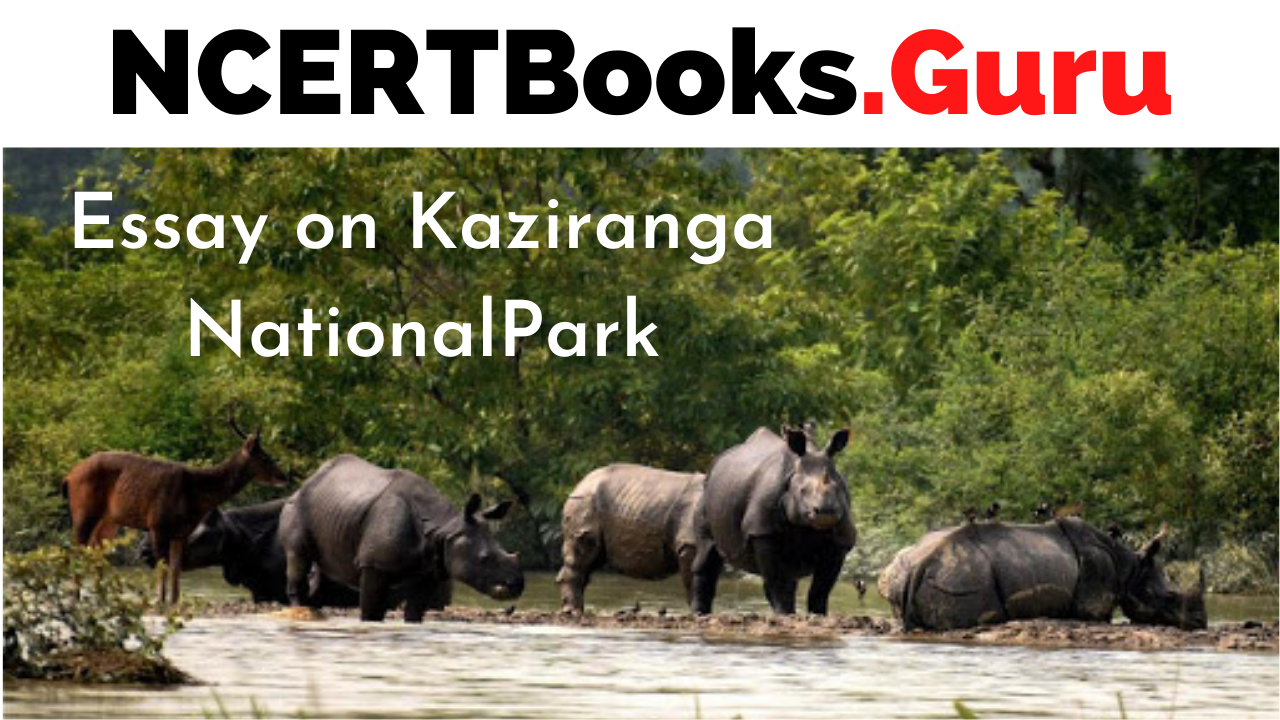
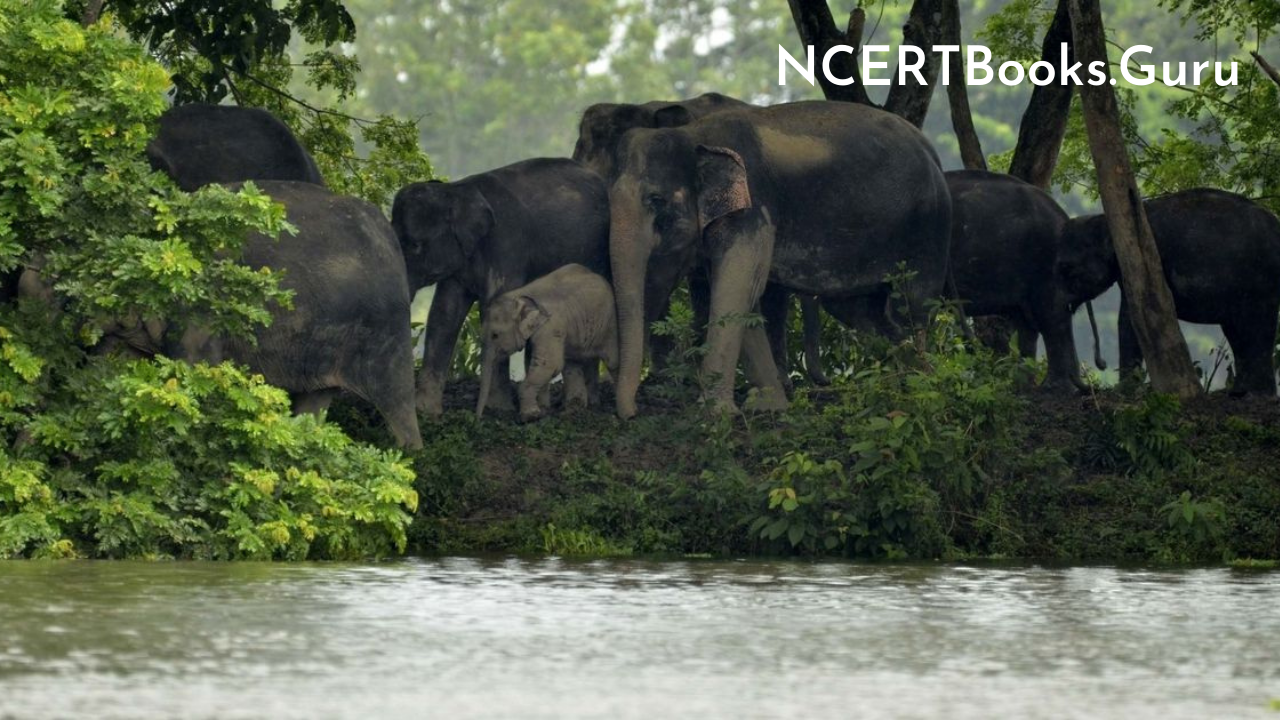
Essay on Kaziranga National Park: Kaziranga National Park is situated partly in Golaghat District and partly in Nagaon Districts in the beautiful state of India, Assam. The Kaziranga National Park is famous for the heritage of one-horned Rhinoceros. If you pass through National Highway 37, especially the tea estates, then you can spot rhinoceros and wild elephants on your way. Kaziranga National Park is a very famous holiday destination. In this essay, we will tell you about the Kaziranga national in detail.

You can read more Essay Writing about articles, events, people, sports, technology many more.

Long and Short Essays on Kaziranga National Park for Students and Kids in English

A long essay on Kaziranga National Park of 450-500 words has been provided it is useful for students in classes 7, 8, 9, and 10. For the reference of students in Classes 1, 2, 3, 4, 5, and 6, a short Essay on Kaziranga National Park of 100-150 words has been provided.

Short Essay on Kaziranga NationalPark

Long Essay on Kaziranga National Park 500 Words in English

The 430 sq. km long Kaziranga National Park is home to around 2,200 one-horned rhinoceros. The area is covered with elephant grassy meadows, swampy lagoons, and dense forests. The park was formed in the year 1908 by the recommendation of Mary Curzon and it is located on the edge of the Eastern Himalayan biodiversity hotspots i.e. Golaghat and Nagaon District.

Before the establishment of the Kaziranga National park, the wife of the Viceroy of India, Mary Curzon visited the park to see the one-horned rhinoceros but couldn’t find one. So her husband took action to protect this special specie of the rhinoceros by initiating plans for their protection. After many meetings and a series of documentation, the Kaziranga Proposed Reserve Forest was established in the year 1905.

Many animals take shelter in Kaziranga National Park such as one-horned rhinoceros, elephants, wild water buffalo and swamp deer. If we talk about the attraction point of Kaziranga then we can say it’s the broad diversity of wildlife beauty. Not only animals but you can also find different birds here. The tiger reserve is also an attraction point for many people.

Kaziranga National Park is home to many Tigers as it is seen that the population of tigers in Kaziranga has increased which is why Kaziranga was declared as the tiger reserve in the year 2006. Bird species that are present in the Kaziranga National Park are ferruginous duck, black-necked stork, and Asian openbill Stork.  With the presence of the Brahmaputra River, the park looks more enigmatic and beautiful.

Talking about the flora, you can find four types of vegetation in the park-like alluvial inundated grasslands, alluvial savanna woodlands, tropical moist mixed deciduous forest, and tropical semi-evergreen forests. Along with this vegetation, cotton trees, apple trees, Indian gooseberry trees are some famous trees that are present in the park. Some of the aquatic flora is also present in the Kaziranga National Park which can be seen in lakes and ponds and also on the river shores.

The best time to visit the Kaziranga National park is from November to April. The park remains closed from May to October every year for the visitors. In the summer season, the climate in the Kaziranga gets dry and windy. Many animals can be found around water bodies as they come to drink water and relax. In the monsoon season, the park remains closed because of the warnings of Brahmaputra River Floods.

The winter season is the best time to visit the national park as the chilly weather increases the chances of spotting the one-horned rhinoceros. The background gets much more clear and the grass is chopped off so the visitors can see the animals clearly without any facing any inconvenience.

If you want to cover all the places in the Kaziranga National park, then you can rent a jeep along with a guide who will take on a tour of Kaziranga. The safari jeep will take you to Mihimukh in the central region, Range at Kohara, Bagori in Western Range at Bagori, Agoratoli in the Eastern Range, and Ghorakati in Burapahar Range.

Short Essay on Kaziranga National Park 150 Words in English

Kaziranga National Park is famous for one-horned rhinoceros and also for tiger reserve. It was established in the year 1908 and covers an area of 430 sq km. It was found by the viceroy of India, Lord Curzon of Kedleston. Approximately 2/3rd of the world population of rhinoceros is found in the Kaziranga National Park.

Wildlife found in the Kaziranga National Park is rhinoceros, tigers, elephants, and birds like a white-fronted goose, ferruginous duck, and many more. The Kaziranga National Park is located in the districts of Golaghat and Nagaon in Assam.

The National Park is usually closed from May to October because of the Monsoon season. The best time to visit Kaziranga is between November to February when there’s winter and all the roads and sky become clear and the grass is short. For the best experience of the tour, the facility of renting a safari is also available so that you can ride a safari and discover the beauty of Kaziranga with ease.

Essay on Kaziranga NationalPark

10 Lines on Kaziranga National Park Essay in English

  1. The Kaziranga national park is located in the districts of Assam.
  2. It is famous for rhinoceros and tiger reserve.
  3. The national park was established in the year 1905.
  4. Animals and mammals like tigers, rhinoceros, elephants, deer, and buffalo are found in the national park.
  5. Birds like Black-necked stork, white-fronted goose, and many more can be located in the park.
  6. The Kaziranga National park remains closed from May to October due to Monsoon.
  7. Winter is the best time to visit the national park.
  8. Around 2/3rd of the world population of rhinoceros, is found in the Kaziranga National park.
  9. Visitors can rent a safari for a better experience.
  10. Kaziranga National Park is the best choice for a wildlife holiday in India.

FAQ’s on Kaziranga National Park Essay

Question 1.
When was Kaziranga National Park established?

Answer:
The Kaziranga National Park was established in the year 1905.

Question 2.
How many one-horned rhinoceros are present in the Kaziranga National Park?

Answer:
Approximately 2,200 rhinoceros can be found in the Kaziranga National park.

Question 3.
When was the Tiger Reserve established in the Kaziranga National Park?

Answer:
Tiger Reserve was established in the year 2006.