NCERT Solutions for Class 7 Social Science Geography Chapter 7 Human Environment: Settlement, Transport and Communication

Human Environment: Settlement, Transport and Communication Class 7 Questions and Answers Geography Chapter 7

Class 7 Geography Chapter 7 NCERT Textbook Questions and Answers

Question 1.
Answer the following questions :
(i) What are the four means of transport?
Answer:
Four major means of transport are as follows :
(a) Roadways
(b) Railways
(c) Waterways
(d) Airways

(ii) What do you understand by the term ‘settlement’?
Answer:
A cluster of houses form a settlement. Hence a settlement is a place where people build their houses.

(iii) Which are the activities practised by the rural people?
Answer:
Rural people are engaged in the activities like agriculture, fishing, forestry, craftswork and trading etc.

(iv) Mention any two merits of railways.
Answer:
Merits of railways

  1. It carries heavy and bulky goods.
  2. It carries people to long distance very quickly and cheaply.

(v) What do you understand by communication?
Answer:
Communication is the means for carrying messages from one part of the country to another.

(vi) What is mass media?
Answer:
Mass media is a way to learn about world and the events occurring in the world.

Question 2.
Tick the correct answer-
(i) Which is Not a means of communication?
(a) telephone
(b) books
(c) table
Answer:
(c) table.

(ii) Which type of road is constructed under ground?
(a) flyover
(b) expressways
(c) subways
Answer:
(c) subways.

(iii) Which mode of transport is most suitable to reach an island?
(a) ship
(b) train
(c) car
Answer:
(a) ship.

(iv) Which vehicle does not pollute the environment?
(a) cycle
(b) bus
(c) aeroplane
Answer:
(a) cycle.

Question 3.
Match the following :

(i) Internet (a) areas where people are engaged in manufacturing, trade and services
(ii) Canal route (b) closely built area of houses
(iii) Urban areas (c) inland waterway
(iv) Compact settlement (d) a means of communication

Answer:

(i) Internet (d) a means of communication
(ii) Canal route (c) inland waterway
(iii) Urban areas (a) areas where people are engaged in manufacturing, trade and services
(iv) Compact settlement (b) closely built area of houses

Question 4.
Give reasons-
(i) Today’s world is shrinking.
Answer:
We are living in a world without national and communication boundaries. World has become shrunken mainly because information is available at any place from any comer of the world on a click of the mouse. This is highly sophisticated world without distances. With this kind of under connectivity people to people, people to services and institutions-across the world, at a great speed we are becoming large global society.

Question 5.
For fun-
(i) Conduct a survey in your locality and And out how people commute to their respective workplaces using-
(a) more than two modes of transport
(b) more than three modes of transport
(c) stay within walking distance
Answer:

Hints:

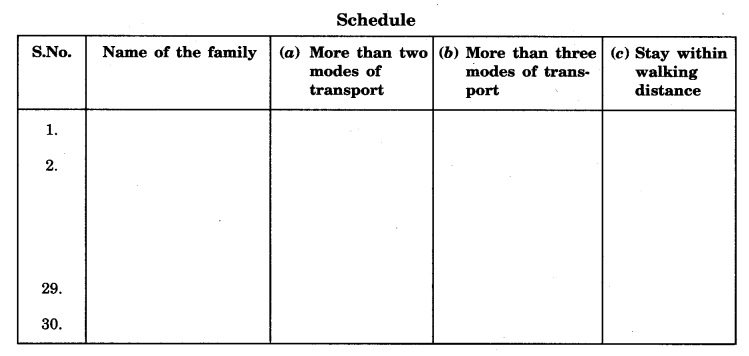
  • First of all, prepare a schedule consisting of the families living in your locality like the following.
    NCERT Solutions for Class 7 Social Science Geography Chapter 7 Human Environment Settlement Transport and Communication 1
  • Now ask each family and tick out the column against them regarding which modes of transport they use.
  • After filling the schedule, now do calculations by counting numbers of each category of the mode of transport.
  • A sample report
    Out of 30 families, 15 families use two or more modes of transport. Out of which 5 families use more than three modes of transport.
  • families live within walking distance, it means they do not use any mode of transport.

(ii) Mention which mode of communication you will prefer most in the following situations-
1. Your grandfather has suddenly fallen ill. How will you inform the doctor?
2. Your mother wants to sell the old house. How will she spread this news?
3. You are going to attend the marriage of your cousin for which you will be absent from the school for the next two days. How will you inform the teacher?
4. Your friend has moved out with his/her family to New York. How will you keep in touch on a daily basis?
Answer:

  1. Telephone
  2. Newspaper
  3. Letter/Application
  4. Telephone/Intemet

NCERT Solutions for Class 7 Social Science

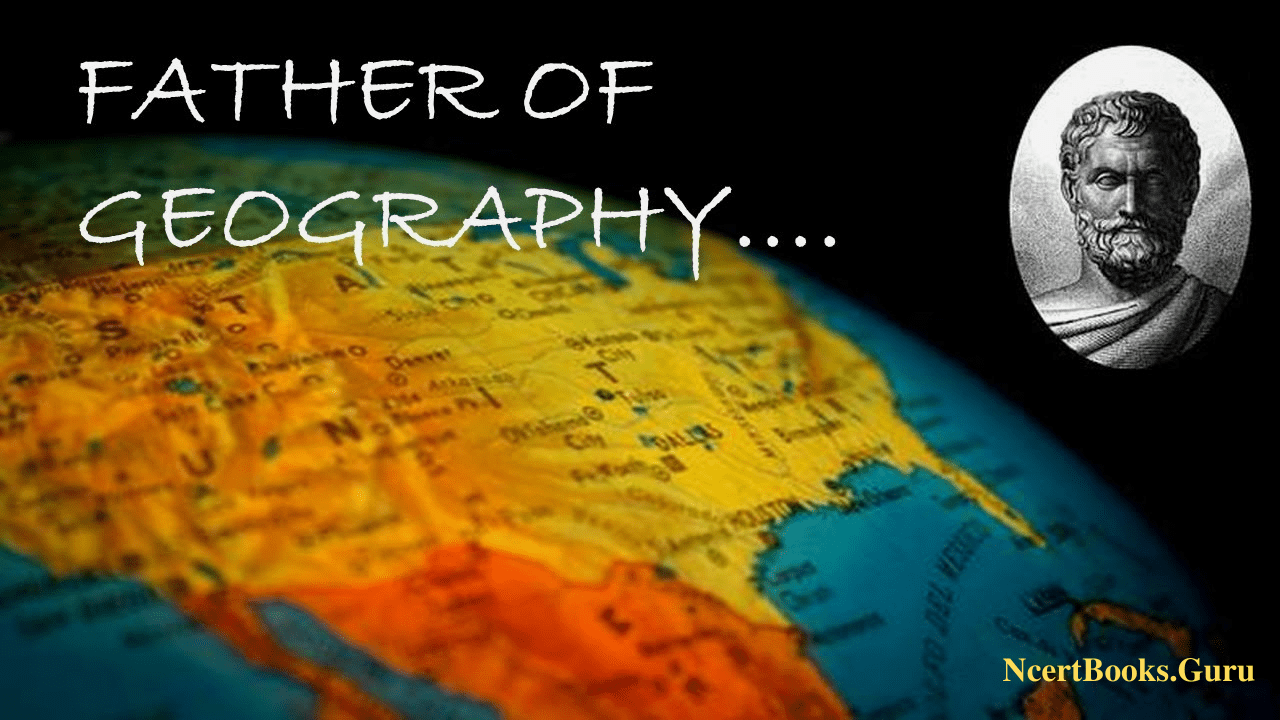
Who is the Father of Geography? | Biography, Facts of Eratosthenes | List of Other Popular Geographers

father of geography

Have you ever wonder who found Geography and who is the father of Geography? If yes, then look here. Eratosthenes of Cyrene (c. 276 BCE–192 or 194 BCE) was an ancient Greek mathematician, poet, and astronomer who is known as the father of geography. Two major accomplishments among others were the creation of the first map of the world and the creation of an algorithm known as the sieve of Eratosthenes, which is used to identify prime numbers.

Want to know more about his biography & contributions? Go through this article thoroughly and find the needed information about the father of geography.

Know More:

Who is known as the Father of Geography?

Geography is the field of science that relates to the study of the Earth, its physical features, landmasses, seas, oceans, the natural phenomena happening on Earth, and the people who populate this planet and their interaction with their environment. The “father of geography” was Eratosthenes and he was the first to use the word geography. He was a mathematician and astronomer from ancient Greece.

Eratosthenes is considered the Father of Geography as he calculated the circumference of the Earth without leaving place Egypt. Also, know the list of other popular geographers from the below sections along with a few things about Eratosthenes.

Also Check: Father of Chemistry

List of Other Famous Geographers

The following table helps you to memorize the most famous geographers who have been considered “fathers” of different geography branches. So, check out the table below for knowing the father of various subjects of Geography.

Branch Name Name of the Father
Father of American Geography William Morris David
Father of Geology Sir Charles Lyell
Father of Modern Geomorphology Grove Carl Gilbert
Father of Phytogeography Alexander Von Humboldt
Father of Modern Cartography Heinrich Caesar Berann
Father of Scientific Climatology Reid Bryson
Father of Human Geography Carl Ritter.

Few Facts About Father of Geography (Eratosthenes)

Known For: Father of Geography.
Born: c. 276 BCE in Cyrene (present-day Libya)
Died: 192 or 196 BCE in Alexandria, Egypt

The study of the planet earth, the Hydrosphere (the water surface of Earth and its characteristics), the Lithosphere (the land and its features), the Biosphere (the living organisms in land and water), and the Atmosphere (the gaseous blanket that surrounds the earth) is called Physical Geography. A few stuff about the first known geographer, Eratosthenes are given below. Take a look at them to gain more information about the Eratosthenes.

  • Behind the creation of a highly accurate map of the world is Eratosthenes.
  • His map comprises grid lines resembling the latitudes and longitudes, in modern times, we use to plot different places on earth.
  • Also, he calculated the circumference of the Earth with exceptional accuracy.
  • He also calculated the tilt of the Earth on its own axis and also gave us the Leap Year calculation that we use today.
  • The measuring of the circumference was founded on few measurements. One was the depth of a well in Syene, where the sun’s rays touch the bottom only on the day of the summer solstice.
  • Also, Eratosthenes knew the distance between Syene and Alexandria.
  • His major & biggest contribution to the world of mathematics was an algorithm to identify prime numbers, universally referred to as the Eratosthenes sieve.

Do Refer: Father of Biology

FAQs on Father of Modern Geography

1. Who is the father of geography?

Eratosthenes is known as the Father of Geography.

2. Who had calculated the radius of the earth for the first time?

For the first time, Eratosthenes had calculated the radius of the earth.

3. Who is known as Father of modern geography?

Carl Ritter (August 7, 1779 – September 28, 1859) with Alexander von Humboldt, is considered one of the founders of modern geography.

Call Letter Samples, Format | How to Email a Call Letter? | Few Writing Tips & Guidelines

call letter format, samples, examples & writing tips

Call Letter: Wondering about how to write a Call Letter for the shortlisted candidates to invite for an interview. This article is the perfect one to answer all your queries regarding Call Letter. It is a formal letter received by the candidates from the employer. Know What is Call Letter and How to Write it is explained in the below modules.

A Call Letter in general is a document that notifies the candidates that you have shortlisted for the interview and attends at the scheduled date & time at the given address. Check out the available Call Letter Format, Samples from here and save them for future reference.

Make use of various Formal and Informal Letter Writing Topics and get familiar with many writing styles.

How to Write a Call Letter? Writing Tips for Drafting the Letter

The following are a few writing tips that you should follow while writing a Call Letter for an exam and interview:

  • In the letter, you should write the time, date, and location of the job interview.
  • It specifies information regarding the interview process like how many rounds, technical or written tests, which documents to bring, who will conduct the interview, etc.
  • The interview letter must include the job description of the position for which the interview is being held.
  • It should be written in a concise and grammatically correct manner.
  • Contact information & email address of the concerned person must be given so that the candidates can contact easily for any difficulties/queries.
  • It holds data regarding what all required documents are needed during the Job interview process.
  • It must close with a request for confirmation of the availability of the candidate and acknowledgment of the receipt of the call letter.

Call Letter Format | Template of Call Letter Writing

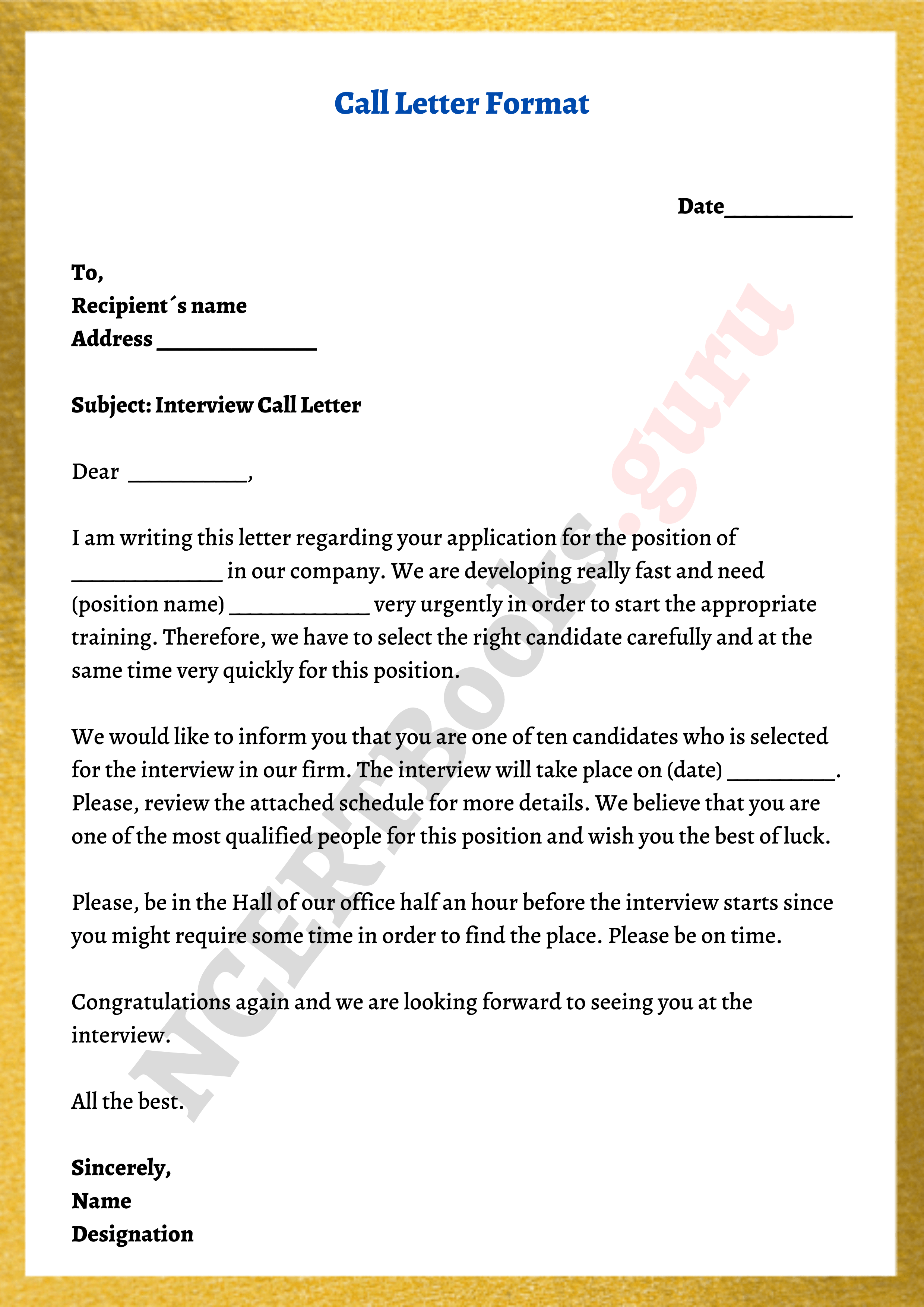
As Call Letter is a formal letter everyone should draft it by using polite language. The Format you need to follow for the Call Letter is given here in the form of an image. Download Call Letter Format Image & save it for further reference:

call letter format

Email Format of Call Letter

Subject: Invitation for Interview

Dear (Receiver’s Name),

By looking over to your job application for the position of “Marketing Executive” I would like to invite you to be there for an interview on (Date) at (Time) at our office in New Delhi.

You will have an interview scheduled with the department manager (Name). The discussion will last about 45 minutes. Please bring the references as well as a copy of your resume and cover letter along with you.

If the date & time of the interview is not convenient, please contact me by phone (Contact Number) or email (Email ID) to assemble another appointment. We look ahead to seeing you.

Best Regards,

(HR Name)
Human Resource Department Head
102/A block Square Building
Third Floor,
New Delhi
(Contact Number)
(Email Address)

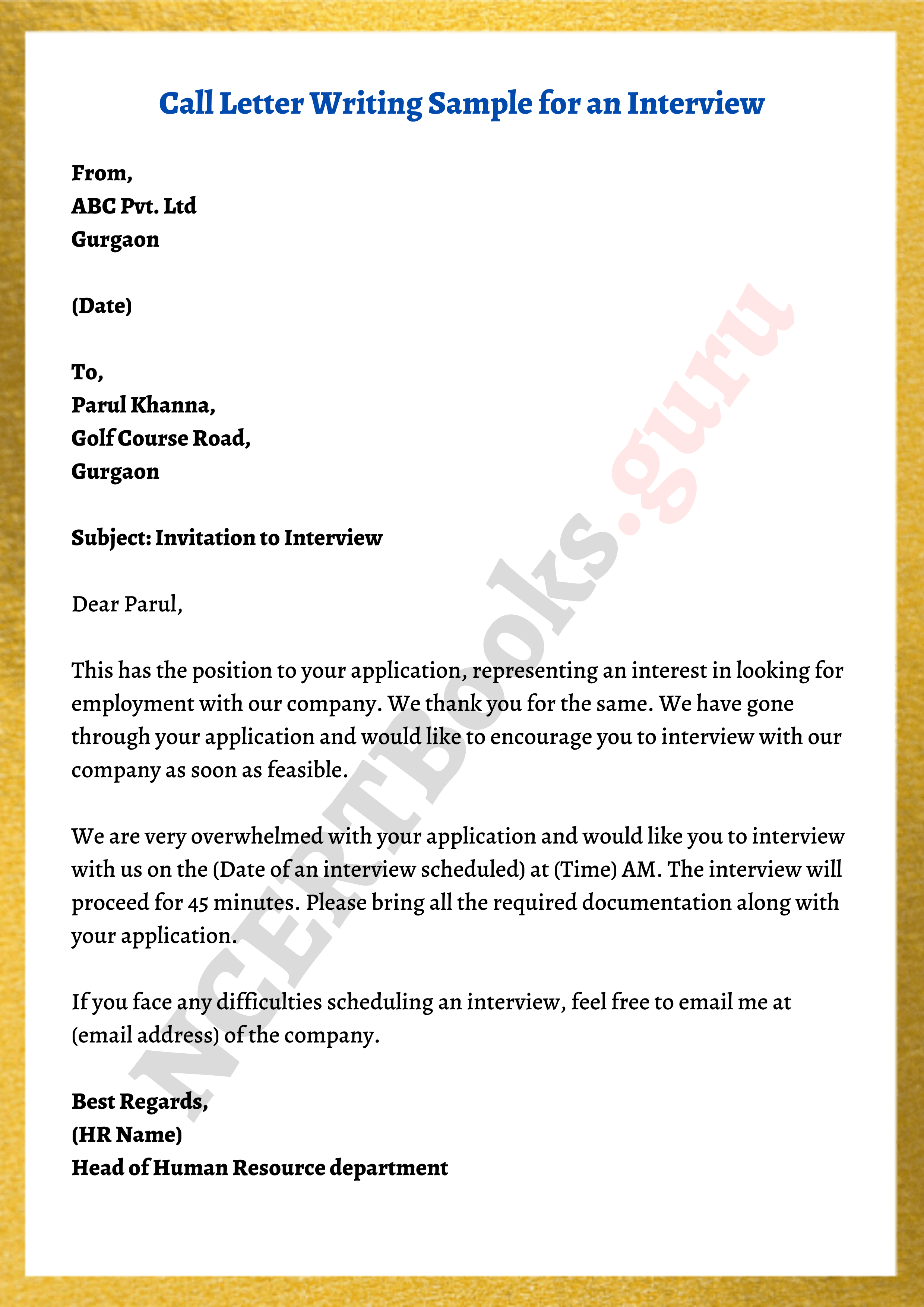
Call Letter for an Interview – Sample 1

call letter sample for interview

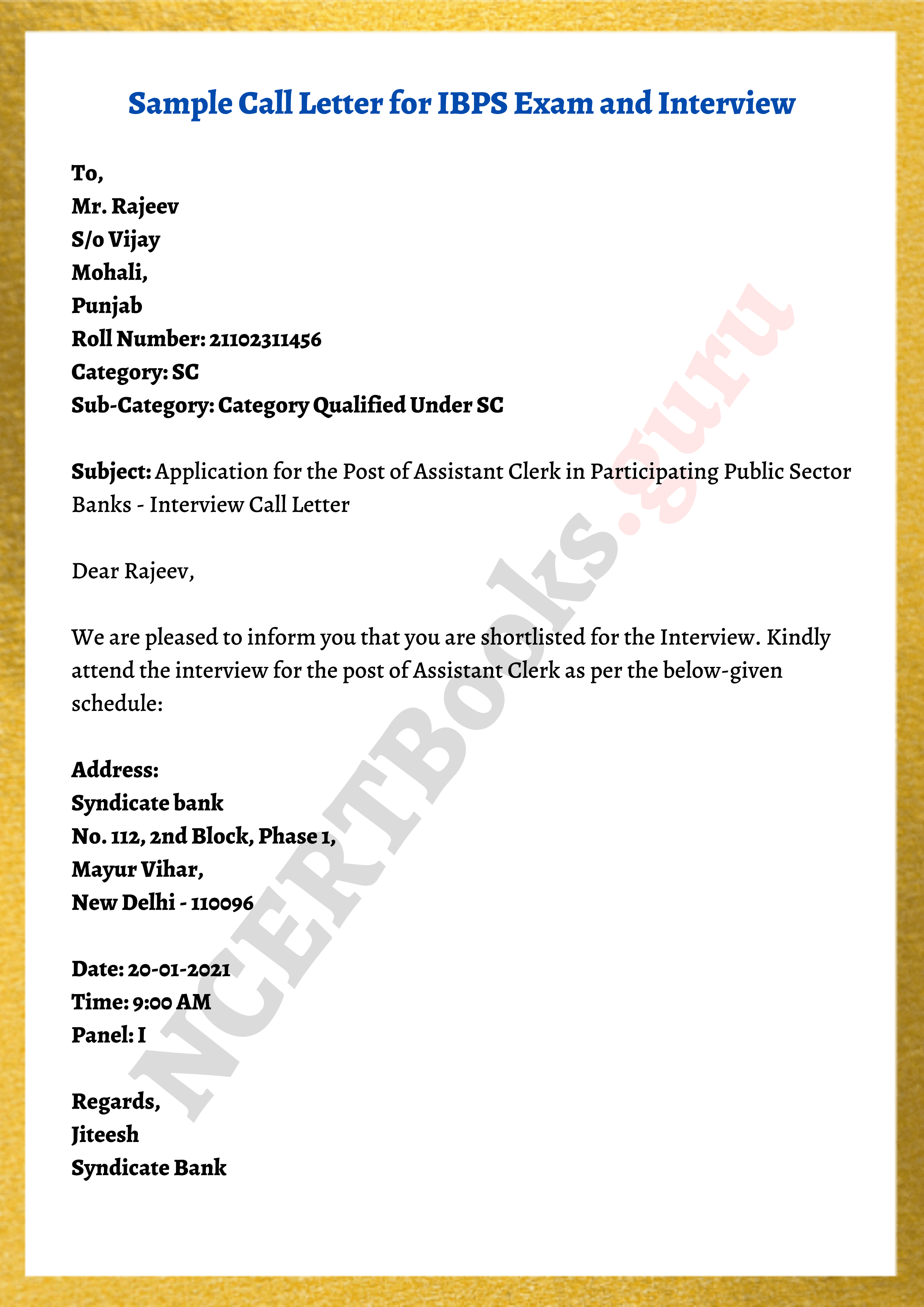
IBPS Exam and Interview Call Letter – Sample 2

govt exam and interview call letter sample

FAQs on Call Letter Writing

1. What is the Call Letter?

A call letter is a formal letter where the company recruitment employees invite the shortlisted candidates for the interview at the scheduled date and time in the provided location.

2. Where do I get Call Letter Format and Samples for free?

You can find Call Letter Format and Samples for free of cost on our page.

3. What should include in Call Letter?

While writing a Call Letter the following list of details is mandatory. They are along the lines

  • Date of sending the letter
  • Name of the Applicant
  • Address of the applicant
  • Salutation (Dear, Mr./Ms./Mrs.)
  • Body of the letter
  • Conclusion
  • Closure

NCERT Solutions for Class 12 Physics Chapter 8 Electromagnetic Waves

NCERT Solutions for Class 12 Physics Chapter 8

Wondering on how to Download NCERT Solutions for Class 12 Physics Chapter 8 Electromagnetic Waves PDF? Then, this is the correct place to get the answer to your queries. At our site, expert teachers of physics designed the solutions for all important questions in each chapter of electromagnetic waves.

These solutions have been prepared and explained in a wat that any of the students of class 12 can easily understand. The step by step NCERT solutions of class 12 physics chapter 8 will help you score high marks in the board and competitive examinations. Access the NCERT exercise solutions for class 12 physics ch 8 electromagnetic waves PDF offline from this page & prepare well.

Class 12 Physics NCERT Solutions Chapter 8 Electromagnetic Waves PDF

In Chapter 8, Students of class 12 will deal with the concept called Electromagnetic Waves. The three most important topics of this chapter are electromagnetic waves, displacement current, and the electromagnetic spectrum. The topics and sub-topics in Chapter 8 Electromagnetic Waves are covered in NCERT Solutions PDF.

Moreover, these NCERT Questions and Solutions will also explain the formulas, illustration, and chart of the chapter electromagnetic waves. So, continue your learnings from the NCERT 12th Physics Ch 8 Electromagnetic Waves Solutions PDF and get good subject knowledge.

Class 12
Subject Physics
Book Physics
Chapter Number 8
Chapter Name Electromagnetic Waves

NCERT Exercise Questions & Answers of 12th Class Physics Ch 8 Electromagnetic Waves

Preparing with these NCERT Questions will help you develop strong basics in the chapter Electromagnetic waves. To obtain all advantages of NCERT Solutions, try solving important questions of electromagnetic waves concept on your own and verify your answers by using class 12 physics NCERT Solutions chapter 8.

Question 1.
Figure shows a capacitor made of two circular plates each of radius 12 cm and separated by 5.0 cm. The capacitor is being charged by an external source (not shown in figure). The charging current is constant and equal to 0.15 A.
(a) Calculate the capacitance and the rate of change of potential difference between the plates.
(b) Obtain the displacement current across the plates.
(c) Is Kirchhoffs first rule valid at each plate of the capacitor ? Explain.
NCERT Solutions for Class 12 physics Chapter 8.21
Answer:
NCERT Solutions for Class 12 physics Chapter 8.22

(c) Yes. Because conduction current entering one plate is equal to the displacement current leaving that plate.

Question 2.
A parallel plate capacitor (shown in figure) made of circular plates each of radius R = 6.0 cm has a capacitance C = 100 pF. The capacitor is connected to a 230 V a.c. supply with a (angular) frequency of 300 rad s_1.
(a) What is the r .m.s. value of the conduction current?
(b) Is the conduction current equal to the displacement current ?
(c) Determine the amplitude of B at a point 3.0 cm from the axis between the plates.
NCERT Solutions for Class 12 physics Chapter 8.23
Answer:
tiwari academy class 12 physics Chapter 8.24NCERT Solutions for Class 12 physics Chapter 8.4NCERT Solutions for Class 12 physics Chapter 8.5

Question 3.
What physical quantity is the same for X-rays of g g wavelength 10-10 m, red light of wavelength 6800 A and radiowaves of wavelength 500 m ?
Answer:
All e.m. waves travel with same speed c = 3 x 10⁸ m s-1 in vacuum.
Therefore, X-rays, red light and radiowaves have same speed.

Question 4.
A plane electromagnetic wave travels in vacuum along Z-direction. What can you say about the directions of its electric and magnetic field vectors ? If the frequency of the wave is 30 MHz, what is its wavelength ?
Answer:
The electric field vector E and magnetic field vectorB are in xy plane. They are normal to each other.
NCERT Solutions for Class 12 physics Chapter 8.6
Question 5.
A radio can tune into any station in the 7.5 MHz to 12 MHz band. What is the corresponding wavelength band ?
Answer:
tiwari academy class 12 physics Chapter 8.6

=> The corresponding wavelength band is 40 m to 25 m.

Question 6.
A charged particle oscillates about its mean equilibrium position with a frequency of 109 Hz. What is the frequency of the electromagnetic waves produced by the oscillator ?
Answer:
Frequency of the produced E.M. wave is same as the frequency of oscillating charged particles i. e. 109 Hz.

Question 7.
The amplitude of the magnetic field part of a harmonic electromagnetic wave in vacuum is B0 =510 nT. What is the electromagnetic waves produced by the oscillator?
Answer:
NCERT Solutions for Class 12 physics Chapter 8.8

Question 8.
Suppose that the electric field amplitude of an electromagnetic wave is E0 = 120 N/C and that its frequency is v = 50.0 MHz.
(a) Determine, B0, ω, k and λ.
(b) Find expressions for E and B.
Answer:
NCERT Solutions for Class 12 physics Chapter 8.9
tiwari academy class 12 physics Chapter 8.25

Question 9.
The terminology of different parts of the electromagnetic spectrum is given in the text. Use the formula E = hv (for energy of a quantum of radiation : photon) and obtain the photon energy in units of eV for different parts of the electromagnetic spectrum. In what way are the different scales of photon energies that you obtain related to the sources of electromagnetic radiation ?
Answer:
Using the relation for photon energy,
NCERT Solutions for Class 12 physics Chapter 8.26
NCERT Solutions for Class 12 physics Chapter 8.27
Conclusion.
 The above result indicates that the different wavelengths in the electromagnetic spectrum can be obtained by multiplying roughly the powers often.
The visible wavelengths are spaced by a few eV.
The nuclear energy levels (from y rays) are spaced about 1 MeV.

Question 10.
In plane electromagnetic wave, the electric field oscillates sinusoidally at a frequency of 2.0 x 10¹⁰ Hz and amplitude 48 Vm_1.
(a) What is the wavelength of the wave ?
(b) What is the amplitude of the oscillating magnetic field ?
(c) Show that the average energy density of the E field equals the average energy density of the B field. [c= 3 x 10⁸ ms-1].
Answer:
NCERT Solutions for Class 12 physics Chapter 8.28NCERT Solutions for Class 12 physics Chapter 8.14

Question 11.
Suppose that the electric field part of an electromagnetic wave in vacuum is
E = {(3.1 N/C) cos[(1.8 rad/m)y + (5.4 x 10⁶ rad/s)f]}i^.
(a) What is the direction of propagation ?
(b) What is the wavelength X ?
(c) What is the frequency v ?
(d) What is the amplitude of the magnetic field part of the wave ?
(e) Write an expression for the magnetic field part of the wave.
Answer:
tiwari academy class 12 physics Chapter 8.15

Question 12.
About 5% of the power of a 100 W light bulb is converted to visible radiation. What is the average intensity of visible radiation ?
(a) at a distance of 1 m from the bulb ?
(b) at a distance of 10 m ?
Assume that the radiation is emitted isotropically and neglect reflection.
Answer:
NCERT Solutions for Class 12 physics Chapter 8.16

Question 13.
Use the formula λ
mT = 029 cm K to obtain the characteristic temperature ranges for different parts of the electromagnetic spectrum. What do the numbers that you obtain tell you ?
Answer:
tiwari academy class 12 physics Chapter 8.17

These numbers tell us the range of temperature required to obtain the different parts of the spectrum. For example, to obtain a wavelength of 1 μm, a temperature of 2900 K is required.

Question 14.
Given below are some famous numbers associated with electromagnetic radiations in different contexts in physics. State the part of the electromagnetic spectrum to which each belongs.
(a) 21 cm (wavelength emitted by atomic hydrogen in interstellar space).
(b) 1057 MHz (frequency of radiation arising from two close energy levels in hydrogen; known as Lamb shift.)
(c) 2.7 K (temperature associated with the isotropic radiation filling all space-thought to be a relic of the ‘big-bang’ origin of the universe.)
(d) 5890 Å-5896 Å (double lines of sodium)
(e) 14.4 keV [energy of a particular transition in 57Fe nucleus associated with a famous high resolution spectroscopic method (Mossbauer spectroscopy).]
Answer:
(a) Given wavelength is of the order of 10-2 m i.e. short radio wave.
(b) Frequency is of the order of 109 Hz e. short radio wave.
(c)
NCERT Solutions for Class 12 physics Chapter 8.19

(d) Given wavelength is of order of 10-7 m i.e visible radiations(yellow light)

Question 15.
Answer the following questions
(a) Long distance radio broadcasts use shortwave bands. Why ?  (C.B.S.E. 2005)
(b) It is necessary to use satellites for long distance TV transmission.
Why? (C.B.S.E. 2005)
(c) Optical and radiotelescopes are build on the ground but X-ray astronomy is possible only from satellites orbiting the earth. Why ? (C.B.S.E. 2009)
(d) The small ozone layer on top of the stratosphere is crucial for human survival. Why ?(C.B.S.E. 2005, 2009)
(e) If the earth did not have an atmosphere, would its average surface temperature be higher or lower than what it is now ?
(f) Some scientists have predicted that a global nuclear war on the earth would be followed by a severe ‘nuclear winter’ with a devastating effect on life on earth. What might be the basis of this prediction ? (C.B.S.E. 1995)
Answer:
(a) Long distance radio broadcasts make use of sky waves. Ionosphere of earth’s atmosphere reflects the radiations of this range.
(b) For very long distance TV transmission, a very high frequency is required. Waves of this frequency just pass through the ionosphere and are not reflected back. Therefore, a satellite is required to reflect the signals to the earth.
(c) Atmosphere of earth can absorb X-rays but visible waves and radiowaves pass through it.
(d) Ozone layer absorbs ultraviolet (UV) radiations emitted by the sun and prevents them to reach the earth. Ultraviolet radiations are harmful for the life on earth.
(e) In this case, there will be no green house effect. So the earth will be at low temperature in the absence of atmosphere.
(f) In the case of worldwide nuclear war, the sky may get overcast with clouds of nuclear radiation. These clouds will stop the passage of sunlight to earth. Thus, earth will be as cool as in winter.

Every concept of chapter 8 covered in the NCERT Physics Solutions includes in-text questions and exercise questions. Read all theory questions and practice all numerical questions from chapter 8 electromagnetic waves NCERT Exercises of Class 12 Physics Pdf and learn the topic thoroughly. You can find these NCERT Physics Solutions of class 12 Ch 8 in both Hindi and English mediums.

Summary

We believe the data shed regarding NCERT Solutions for Class 12 Physics Chapter 8 Electromagnetic waves are sufficient for your exam preparation. If you feel any data is missing do leave us your comments via the comment section below and we’ll revert back to you asap. Stay connected to our site ncertbooks.guru & get the latest updates on class 12 physics NCERT ch 8 Solutions.

NCERT Solutions for Class 8 Social Science History Chapter 10 The Changing World of Visual Arts

The Changing World of Visual Arts Class 8 Questions and Answers History Chapter 10

History Class 8 Chapter 10 NCERT Textbook Questions and Answers

Question 1.
Imagine you are a painter living in the early—twentieth century India trying to develop a “national” style of painting. What elements discussed in this chapter will form part of that style? Explain your choice.
Answer:
I would prefer the ‘Indian-style of painting. In this style I can put my view and ideals of my own country, its custom, style, etc. In their style I would potray real life style instead of imagination.

Question 2.
Fill in the blanks :
1. The art form which observed carefully and tried to capture exactly what the eye saw is called ………….. .
2. The style of painting which showed Indian landscape as a quaint, unexplored land is called ……………… .
3. Paintings which showed the social lives of Europeans in India are called ………………. .
4. Paintings which depicted scenes from British imperial history and their victories are called ……………….. .
Answer:
1. Oil Painting
2. Picturesque land scape painting
3. Portrait painting
4. history painting

Question 3.
Point out which of the following were brought in with British art :
(a) oil painting
(b) miniatures
(c) life-size portrait painting
(d) use of perspective
(e) mural art
Answer:
(a) Oil painting
(c) life-size portrait painting
(d) use of perspective

Question 4.
Describe in your own words one painting from this chapter which suggests that the British were more powerful than Indians. How does the artist depict this?
Answer:
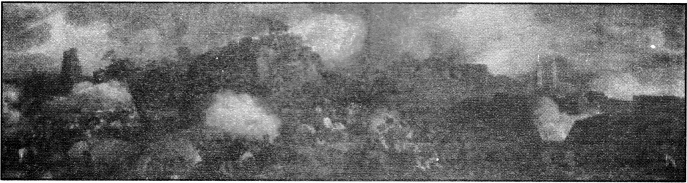
The celebration of British military triumph can be seen in the many painting of the battle of Seringapatam (now Srirangapatnam). Tipu Sultan of Mysore, was one of the most powerful enemies of the British. He was finally defeated in 1799 at the famous battle of Sringapatam. The British troops are shown storming the fort from all sides, cutting Tipu’s soldiers to pieces climbing the walls, raising the British flag aloft on the ramparts of Tipu’s Fort. It is a painting full of action and energy. The painting dramatises the event and glorifies the British triumph. This is a history painting.

Question 5.
Why did the scroll painters and potters come to Kalighat? Why did they began to paint new themes?
Answer:
The scroll painter and potters came to Kalighat and settled there because this was a time when the city was expanding as a commercial and administrative centre. Colonial offices were coming up. New buildings and roads ware being constructed, markets were being set up. The city appeared as a place of opportunity where people could come to make a new living. They began to paint new themes because values, tastes, social norms and customs were undergoing fast changes after the 1840s. They responded quickly to the world around and produced paintings on social and political themes.

Question 6.
Why can we think of Raja Ravi Varma’s paintings as national?
Answer:
We can think of Raja Ravi Varma’s paintings as national because he has depicted Indian mythology. Scenes from Ramayana and Mahabharata and other mythological stories are prominent in his paintings.

Question 7.
In what way did the British history paintings in India reflect the attitudes of imperial conquerors?
Answer:
British victories in India served as rich material for history painters in Britain. These painters drew on first hand sketches and accounts of travellers to depict for the British public a favourable image of British actions in India. These paintings once again celebrated the British. Their power; their victories; their supremacy. One of the first of these history painting was produced by Francis Hayman in 1762 and placed on public display in the Vauxhall Gardens in London.

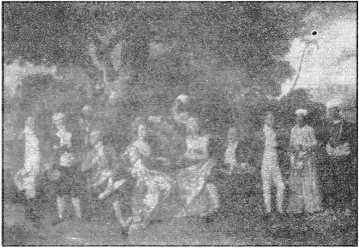
The British had just defeated Sirajuddaulah in the famous Battle of Plassey and installed Mir. Jafar as the Nawab of Murshidabad. It was a victory won through conspiracy, and the traitor Mir Jafar was awarded the title of Nawab. In the painting by Hayman this act of aggression and conquest is not depicted. It shows Lord Clive being welcomed by Mir Jafar and his troops after the Battle of Plassey. Imperial history paintings sought to create a public memory of imperial triumphs. Victories had to be remembered, implanted in the memory of people, both in India and Britain. Only then could the British appear invincible and all powerful.

Question 8.
Why do you think some artists wanted to develop a national style of art?
Answer:
Some artists wanted to develop a national style of art because in their views the art of Ravi Varma was imitative and westernised. It was unsuitable for depicting the nation’s ancient myths and legends. Therefore, they felt the need far a genuine Indian style of painting to draw inspiration from non-western art tradition. In this way they made an attempt to capture the real spiritual essence of the East.

Question 9.
Why did some artists produce cheap popular prints? What influence would such prints have had on the minds of people who looked at them?
Answer:
Some artists produced cheap popular prints so that these could reach to the poors. Such prints left deep impact on the minds of people. These prints produced life like images of eminent Bengali personality as well as mythological pictures. But these mythological pictures were realistic. The figures were located in picturesque landscape settings, with mountain, lakes, rivers and forests. The characteristic elements of these pictures came into being in the late nineteenth century.

These types of popular pictures were printed and circulated in other parts of India too. With the spread of nationalism, popular prints of the early twentieth century began carrying nationalist messages. In many of them you see Bharat Mata appearing as a goddess carrying the national flag, or nationalist heroes sacrificing their head to the mata, and gods and goddesses slaughtering the British.

Question 10.
Look at any tradition of art in your locality. Find out how it has changed in the last 50 years. You may check who supports the artists, and who looks at their art. Remember to examine the changes in styles and themes.
Answer:
In our locality, even today some Bengali plays are played during the Durga Puja. However the dresses of the artists and the weapons used have changed. The artists in there plays are modernised and show modem styles. The back ground music and songs are of the latest trends.

Activities

Activity 1
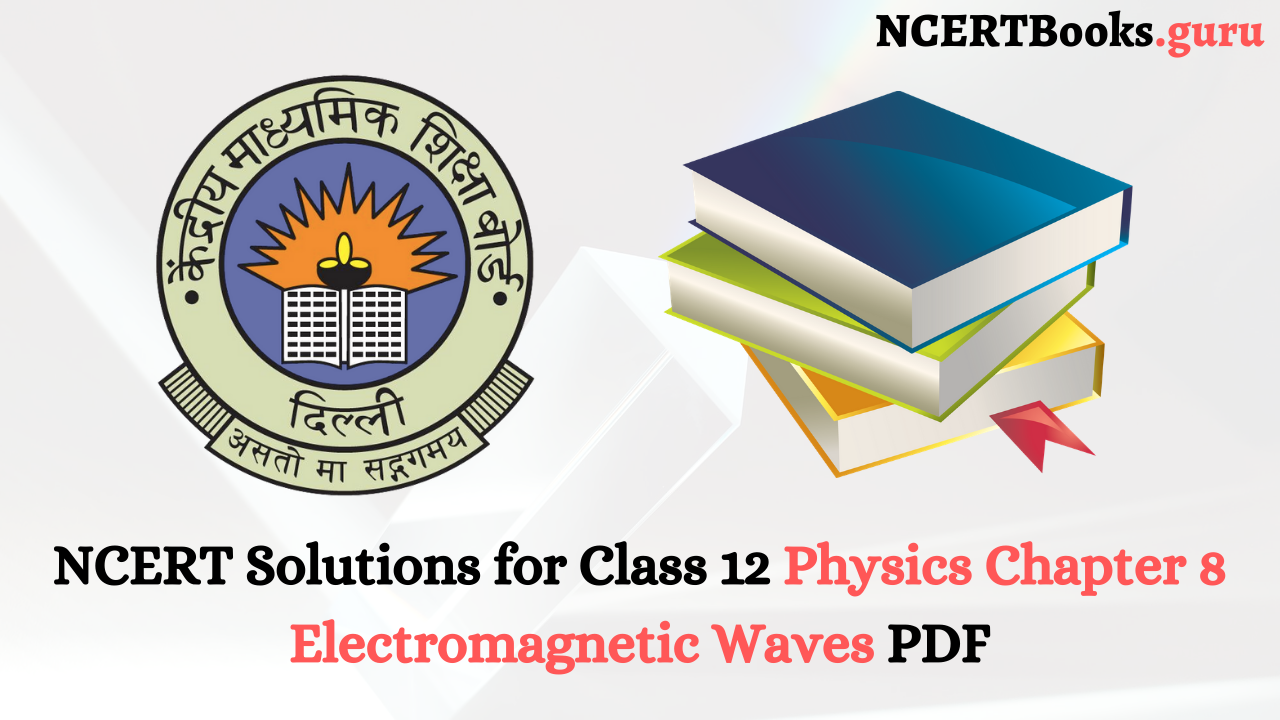
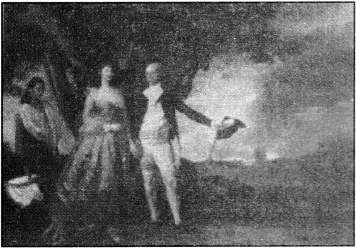
Look at Fig. 1 and 2.
(i) In what ways are the Indians depicted as inferior?
(ii) Notice the clothes the British are wearing.
NCERT Solutions for Class 8 Social Science History Chapter 10 The Changing World of Visual Arts 1
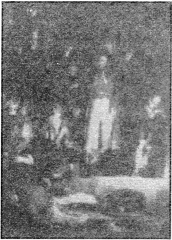
Fig. 1. Portrait of Governor-General Hastings with his wife in their Belvedere estate, painted by Johann Zoffany (oil, 1784) Notice the grand colonial mansion in the background serving tea.
NCERT Solutions for Class 8 Social Science History Chapter 10 The Changing World of Visual Arts 2
Fig. 2. The Aurial and Dashwood Families of Calcutta, painted by Johann Zoffany (oil, 1784) Thomas Dashwood was married to Charlotte Lousia Autrial. Here you see them entertaining their friends & relatives. Notice the various servants clothes the British are wearing.
Answer:
(i) In the first figure 1. an Indian girl is shown shabbily dressed and serving the English lady.
(ii) In the second figure 2. a maid servant (Indian) is pouring a drink for the English ladies. Two men servants are standing as guards for the English men. In both the pictures the Indian are shown as submissive and inferior. The British are shown as superior and imperial. They stand or sit arrogantly and live a life of luxury.

Indian are never at the centre, poorly dressed and occupying a shadowy back ground.

Activity 2
Look carefully at Figs. 3 and 4.
(i) How is Clive portrayed in Fig. 3
(ii) What are the ways in which the artist has depicted the victory of the British?
(iii) Notice the position of the British flag (the Union Jack) in figs. 3 and 4. Why is it placed there?
NCERT Solutions for Class 8 Social Science History Chapter 10 The Changing World of Visual Arts 3
Fig. 3. Lord Clive meeting Mir Jafar, Nawab of Murshidabad, after the Battle of Plassey, painted by Francis Hayman (oil, 1762)
NCERT Solutions for Class 8 Social Science History Chapter 10 The Changing World of Visual Arts 4
Fig. 4. The storming of Seringapatnam, painted by Rober Kerr Porter (panorama in oil, 1800)
Answer:
(i) In Fig. 3. Clive is portrayed as a king superior, arrogant and strong.
(ii) The artist has depicted the victory of the Briti sh as a strong power has taken over a weak power. Fig. 4 shows the power of the British, how they stormed into the fort without any hindrance.
(iii) The flags have been placed to show the victory of the British over the Indian rulers.

Activity 3
Look at Fig. 5
David Wilkie was commissioned by David Baird’s wife to paint this picture. Why do you think she wanted such a picture painted?
NCERT Solutions for Class 8 Social Science History Chapter 10 The Changing World of Visual Arts 5
Fig. 5.
Answer:
She wanted such a picture painted to show how powerful her husband was. She wanted the Indians to fear him and realise his strength and power.

Activity 4
Compare Figs. 4 and 6
1. What similarities and difference do you see in the themes of the paintings?
2. If you were a nawab fighting the British, which battle scenes would you ask the artists to paint the ones you lost or the ones you won?
3. Do you think that the mural in Fig. 6 is realistic?
NCERT Solutions for Class 8 Social Science History Chapter 10 The Changing World of Visual Arts 6
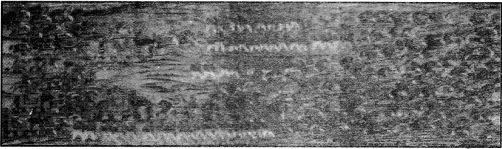
Fig. 6. Detail from a mural painting commissioned by Tipu Sultan at the Dariya Daulat palace at Seringapatam, commemorating Haidar All’s victory over the English army at the battle of Polilur of 1780
Answer:

  1. Both pictures show us about the battle between Tipu Sultan and the English. In Fig. 5 we see the victory of the English while in Fig. 6 we see the victory of Haidar Ali.
  2. I would ask the artists to paint the ones I have won.
  3. To some extant it does not seen realistic. The contrast of the colours is not proper and the picture is also not clear.

Activity 5
Look at Fig. 7 along with the images of Indian miniature you saw in the History book of class VII. Can you identify some of the elements of similarly between them? Look for difference too.
NCERT Solutions for Class 8 Social Science History Chapter 10 The Changing World of Visual Arts 7
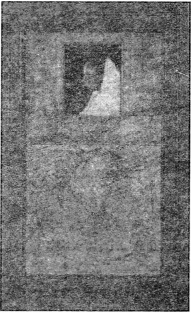
Fig. 7. My Mother, painted by Abanindranath Tagore (watercolour)
Answer:
Simple theme is used and the picture is realistic. Some pictures have simple back ground but some pictures have misty background. Some pictures have hardlines but in some pictures there is absence of hardlines. Some pictures are painted with pencil colours while in some pictures water colour has been used.

NCERT Solutions for Class 8 Social Science

Paragraph on Christmas in English & Hindi | Short Christmas Paragraph in English & Hindi

Paragraph on christmas

Paragraph on Christmas for Kids, Students & Teachers: Christmas is the major festival for Christians. It is marked on the day of the birth anniversary of Jesus, who is the supreme lord of the Christians. It signifies the origin of the days of hope for those worried before the birth of Jesus. Christmas commemorates the spirit of joy and merry-making. You can get full clarity about the Christmas festival by referring to the below Christmas Paragraph for Class 1,2,3,4,5,6 kids/students and children.

You can find more Paragraph Writing articles about various events to read and participate in competitions from our site. Simply follow us and make your kids or students very well educated in all aspects. Below are the links that you can directly jump into the paragraph on Christmas Festival in English & Hindi.

Short Paragraph on Christmas Day 2020 | 100-200 Words Christmas Paragraph in English

‘Christmas’ is a popular Christian festival. It is celebrated with great pomp throughout the world on 25 December every year. The Christmas festival is celebrated as the birthday of Jesus Christ. It is the biggest and happiest festival for Christians. It is also called the ‘big day’.

Preparations for the Christmas festivities begin in advance. On Christmas, day houses are cleaned and Christian people decorate their houses well. New clothes are purchased. Christian people cook a wide variety of dishes on Christmas day. The brightness of the markets increases. The houses and markets are illuminated with colorful lights.

There are special prayers in the churches on Christmas day and tableaux of Lord Jesus Christ are presented in every place. On this day a Christmas tree is planted in the courtyard of the house. Cake has special significance in the Christmas festival. On this day people feed each other cake and congratulate the festival. Taking the form of Santa Claus, a person distributes gifts, gifts, etc. to children.

Easy Paragraph on Christmas in English for Class 5 & 6 Students

Christmas Day is celebrated all over the world on 25 December every year. Because Jesus Christ was born on this auspicious date. Christmas is the main festival of Christians. Nowadays there is a lot of excitement about Christmas in Hindu too.

Even in India, the importance of Christmas is increasing. Jesus did not believe in the discrimination of high and low. He gave a message to the people of the world to live with love and brotherhood. Christmas also becomes very important because a few days later the New Year also arrives. We can say that the last 10 days of December are full of enthusiasm.

Children eagerly await Christmas. On this day children are waiting for the arrival of Santa Claus. Christmas is the biggest festival of Christians which is celebrated in the winter season. On this day all government schools, colleges, offices are closed. People celebrate the Christmas festival with great enthusiasm and lots of preparations and decorations.

People of Christianity decorate their houses with lights and stars a few days before Christmas. Christmas is also seen in Ronak markets. Christmas trees, cakes, red and white-colored clothes, gifts, etc. are sold in the markets. On Christmas Day, 25 December, people go to church and remember Jesus by burning candles and praying. On Christmas Day, people decorate Christmas trees in their homes and feed each other cakes and greet the festival.

Paragraph on Christmas in Hindi | Christmas par Paragraph in Hindi 2020

प्रस्तावना

ईसाई समुदायों के लिये क्रिसमस एक महत्वपूर्ण त्योहार है हालाँकि ये पूरी दुनिया में दूसरे धर्मों के लोगों द्वारा भी मनाया जाता है। ये एक प्राचीन उत्सव है जो वर्षों से शीत ऋतु में मनाया जाता है। ये प्रभु ईशु के जन्मदिवस पर मनाया जाता है। पारिवारिक सदस्यों में सभी को सांता क्लाज़ के द्वारा क्रिसमस की मध्यरात्रि में उपहार बाँटने की बड़ी परंपरा है।

सांता रात के समय सभी के घरों में जाकर उनको उपहार बाँटता है खासतौर से बच्चों को वो मजाकिया उपहार देता है। बच्चे बड़ी व्याकुलता से सांता और इस दिन का इंतजार करते है। वो अपने माता-पिता से पूछते है कि कब सांता आयेगा और अंततः: बच्चों का इंतज़ार खत्म होता है और ढ़ेर सारे उपहारों के साथ सांता 12 बजे मध्यरात्रि को आता है।

परंपरा और मान्यता

क्रिसमस के त्यौहार में यह एक परंपरा है कि लोग इस दिन अपने दोस्तों और रिश्तेदारों को सुन्दर ग्रीटिंग कार्ड भेजते और देते हैं। हर कोई परिवार के लोग और दोस्त रात के दावत में शामिल होते है।

इस पर्व में मिठाई, चॉकलेट, ग्रीटींग कार्ड, क्रिसमस पेड़, सजावटी वस्तुएँ आदि भी पारिवारिक सदस्यों, दोस्तों, रिश्तेदार और पड़ोसियों को देने की परंपरा है। लोग पूरे जनून के साथ महीने के शुरुआत में ही इसकी तैयारियों में जुट जाते है। इस दिन को लोग गाने गाकर, नाचकर, पार्टी मनाकर, अपने प्रियजनों से मिलकर मनाते है। प्रभू ईसा, ईसाई धर्म के संस्थापक के जन्मदिवस के अवसर पर ईसाईयों द्वारा इस उत्सव को मनाया जाता है। लोगों का ऐसा मानना है कि मानव जाति की रक्षा के लिये प्रभु ईशा को धरती पर भेजा गया है।

निष्कर्ष

पूरी दुनिया में क्रिसमस, युवा और बूढ़े लोगों द्वारा प्यार किया जाने वाला एक विशेष और जादुई अवकाश है। दुनिया भर में क्रिसमस के बारे में जानने के लिए बहुत कुछ है। अन्य देशों में भी बच्चे और बूढ़े क्रिसमस का जश्न मनाते हैं। इस तरह क्रिसमस का त्योहार लोगों को सबके साथ मिल-जुलकर रहने का संदेश देता है। ईसा मसीह कहते थे-दीन-दुखियों की सेवा संसार का सबसे बड़ा धर्म है।

Wrapping Up – Christmas Day Paragraph

Hoping that the given Paragraph on Christmas Festival is helpful for kids & parents to understand about the festival. If you need any assistance in writing a Paragraph about Christmas then check our article on Necrtbooks.Guru. For more details like Christmas Essays, 10 lines on Christmas festival then check our site.